Featured

Introduction & Conclusions

My Journey to visit

The Sheds ‘Down Under’.

Martin Young. Trustee and Chairman: Dunstable Men in Sheds. UK.

(Or There and Back Again)

JRR Tolkien

Introduction

The concept and formation of Men’s Sheds started in Australia, so when Ann and I started to plan our four-month tour of Australia and New Zealand the opportunity to visit as many ‘Sheds’ as feasible was an opportunity not to be missed.
For Australia, I visited the Australian Men’s Shed Association (AMSA) website. And, for New Zealand: the ‘MENZSHEDS’ website. Both are very comprehensive, and list all known Sheds by State, or region.
So, venturing forth from Perth, our planned route was to Adelaide (via the ‘Indian – Pacific’), then by train to Melbourne, Sydney, Katoomba, the Gold Coast and Cairns. For New Zealand the route was Christchurch, Dunedin, Queenstown, Hokitiki, and Greymouth by car, and then Greymouth, Christchurch, Blemheim, Picton, Wellington, Hamilton and Auckland by train! (Ferry across the Cook Strait)
Unfortunately, our itinerary, the Christmas, New Year and Australia Day holidays meant visits to the Sheds in Perth, Melbourne, Sydney, Katoomba, Cairns and others passed en-route could not be made. However, these omissions were more than made up for by the unexpected finds of other Sheds: some ‘off the beaten track’!
If I had done them all, I am sure that Ann would have been very displeased.
The sheer differences between individual Sheds and how they are managed has to be admired and complimented, and to write detailed accounts of each visit, compare or criticise would fill volumes; is not my intention. Therefore, it is my intention to just give you the flavour, highlight items of specific interest, and provide guidance to other information where each of the ten Sheds can speak for themselves.

Please enjoy my report on my experiences in the ten ‘Sheds Down Under’, my light-hearted banter of the ‘Shedders’ I met, my crazy sci-fi and fantasy ramblings, and the places visited!

Conclusion

General Findings:

The Visits:

All my visits were very enjoyable and rewarding, especially the spectrum found from Sheds in the early stages of development, and right through to the established.  In all instances, it was evident that nothing stood in the way of the members finding many ways to gain funding, sponsorship, sourcing materials and equipment by either erecting a completely new building or refurbishing dilapidated buildings to their respective needs.  That tenacity also applied to ensure that the Shed is kept financially viable and sustainable.

The welcome, the good will and camaraderie given to me was awesome!  The jokes, jibes and micky-taking that I received and gave back was just like the ‘good old days’: before the gross, uncontrolled ‘PC Brigade’ decimated our once vibrant and humorous workplaces into desolate, humourless wildernesses.

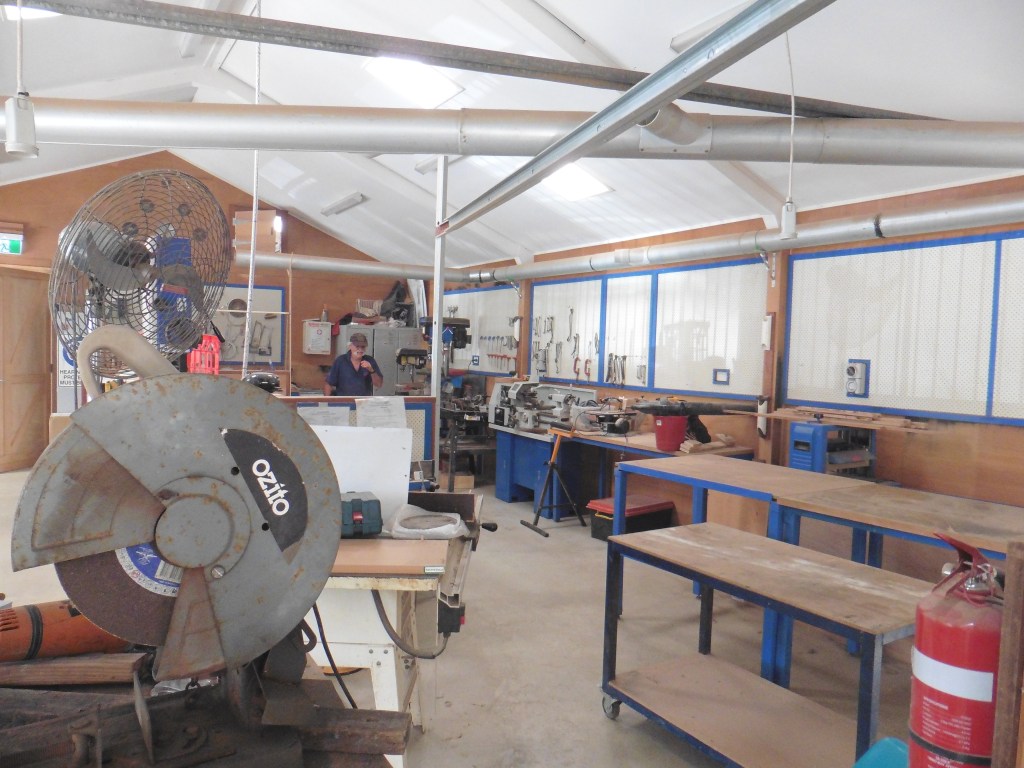
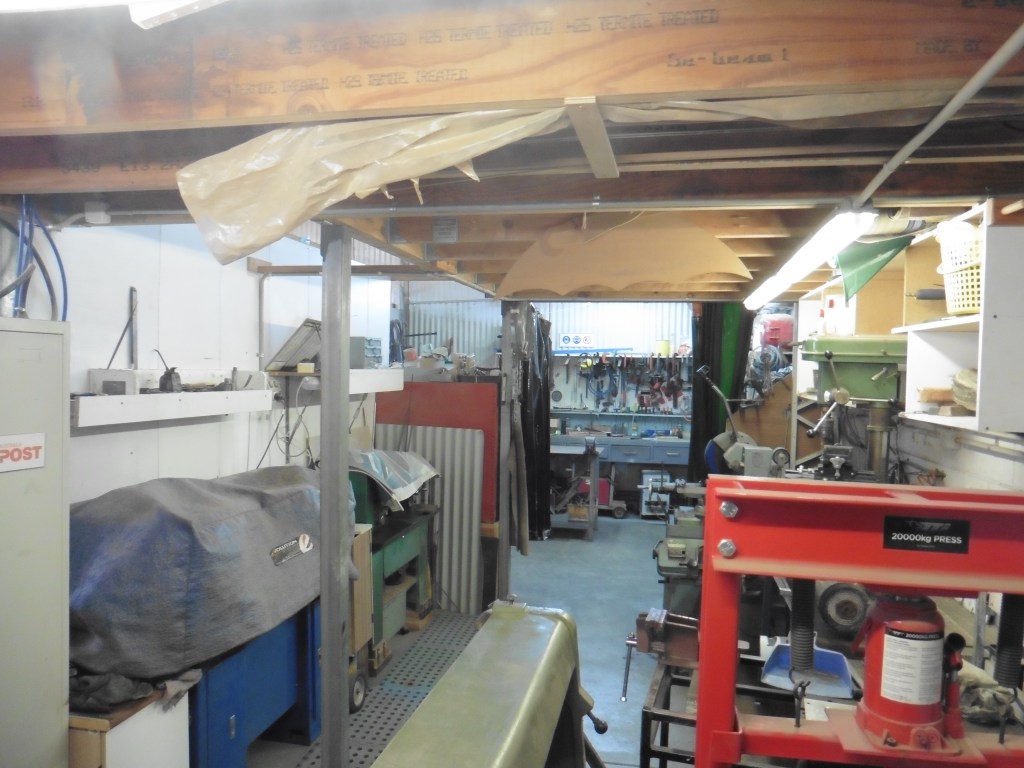
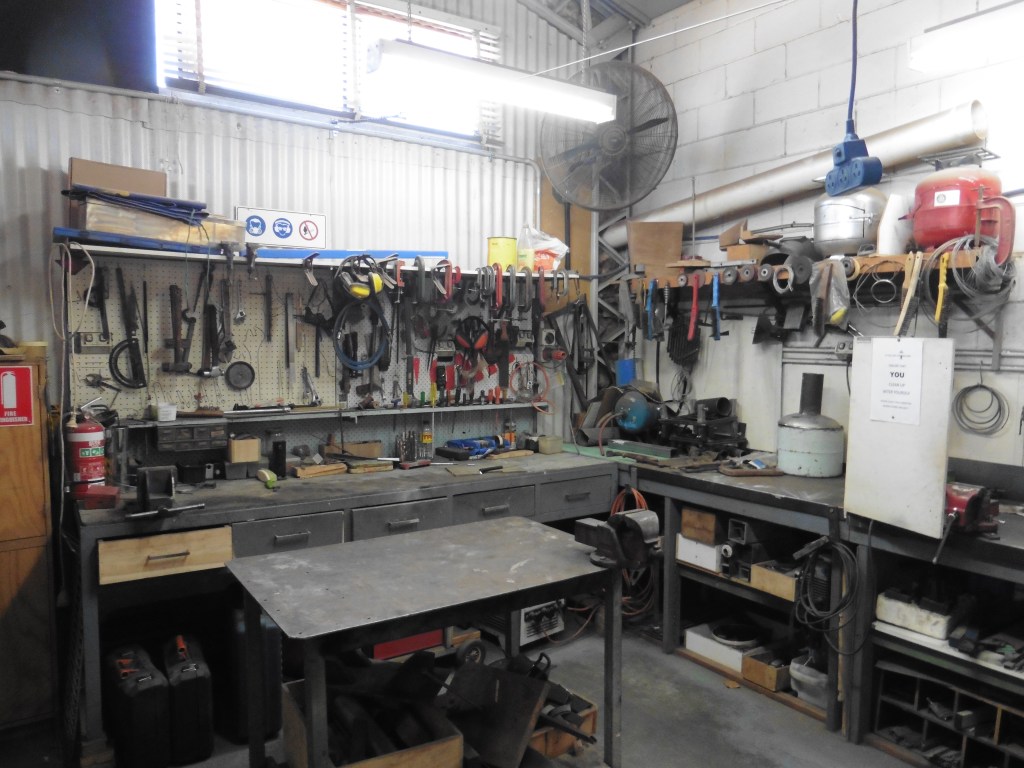
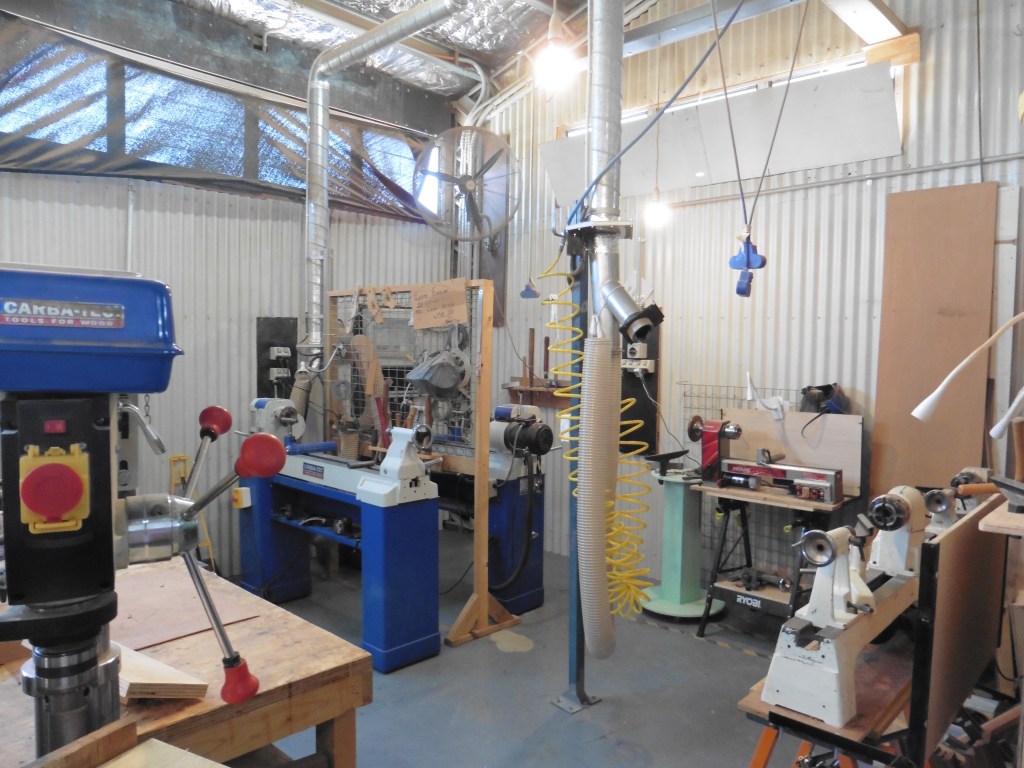
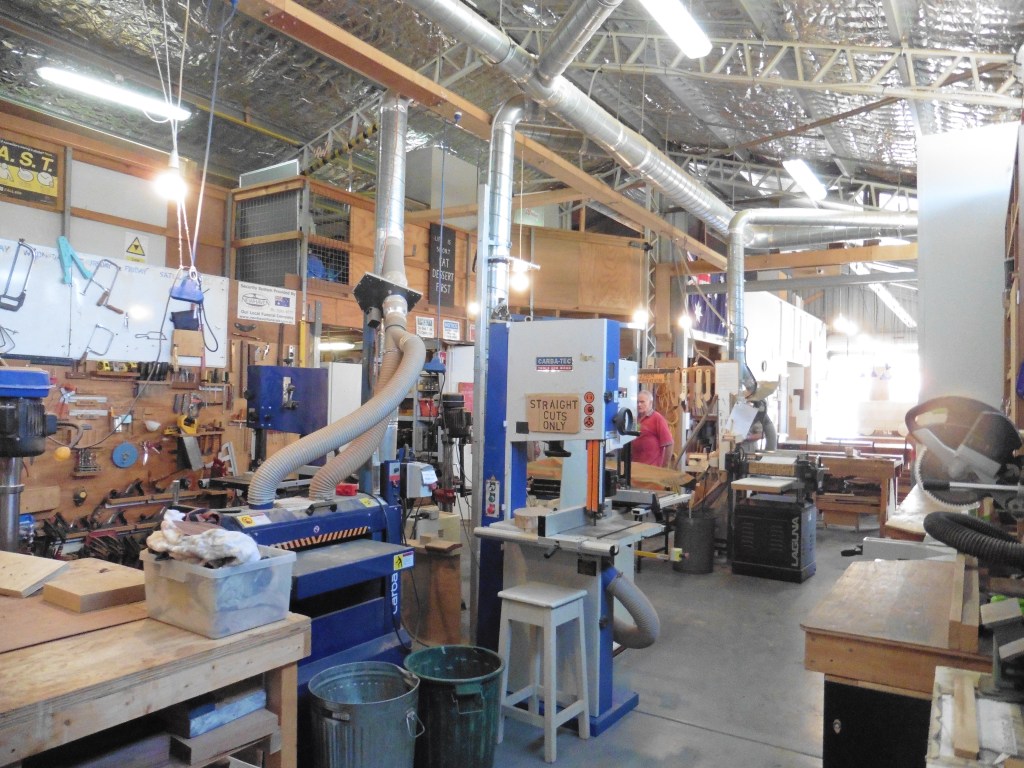
As can be seen from the photos; the layouts of the various workshops, installed equipment, stores and mess facilities were obviously dependent on the floor spaces available.  Where a Shed had a number of activities such as metalworking, welding or spraying, these areas were separated from each other, screens provided and dust and fumes extraction systems installed.  In many instances machine tools were installed with adequate space around them to allow the operator to work in a safe environment.  Clearly defined walkways were marked out on the floors, Safety and First Aid Notices displayed.  In a number of Sheds, I even saw defibrillators.

Funding and Support:

It was clearly evident in both countries that The Lions and Rotary Clubs play an important and active part in helping Sheds get set up.  From my recent experiences in the UK, I strongly suggest that the UKMSA approaches the two charitable societies and gain a similar beneficial arrangement.

Working Safely:

It is without a doubt that working safely is paramount.

However, Sheds are workplaces where activities such as wood working and metalworking, require the operation of machines in a working environment where the risks of injury have to be mitigated or removed as inclusive of duty of care.

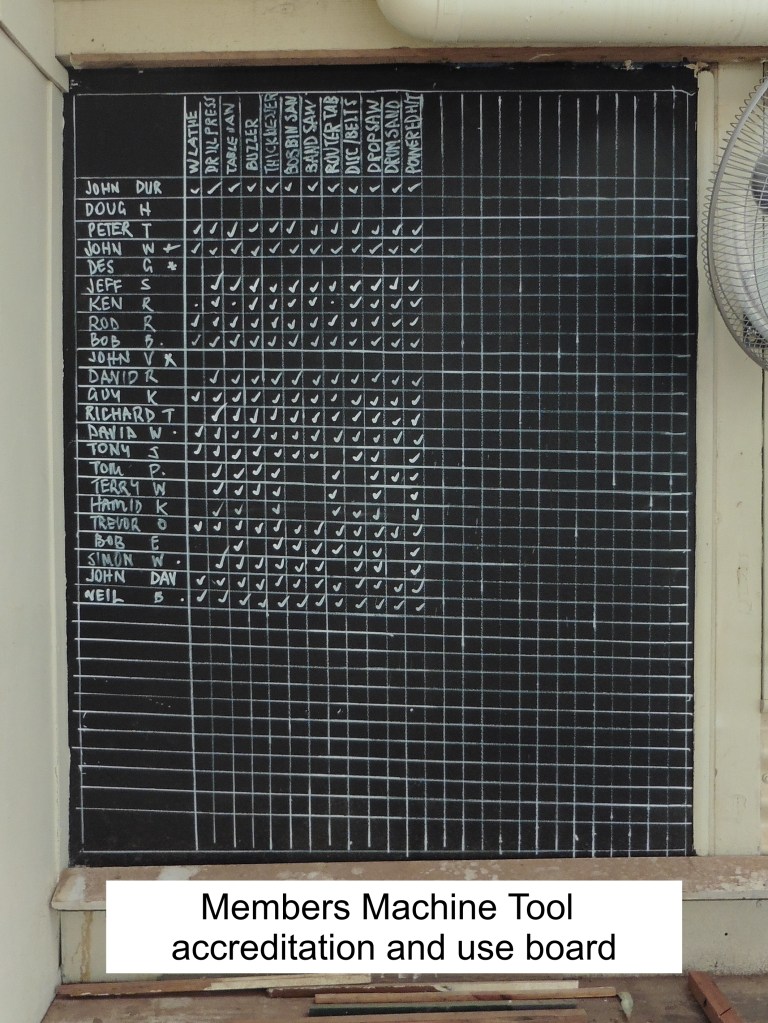
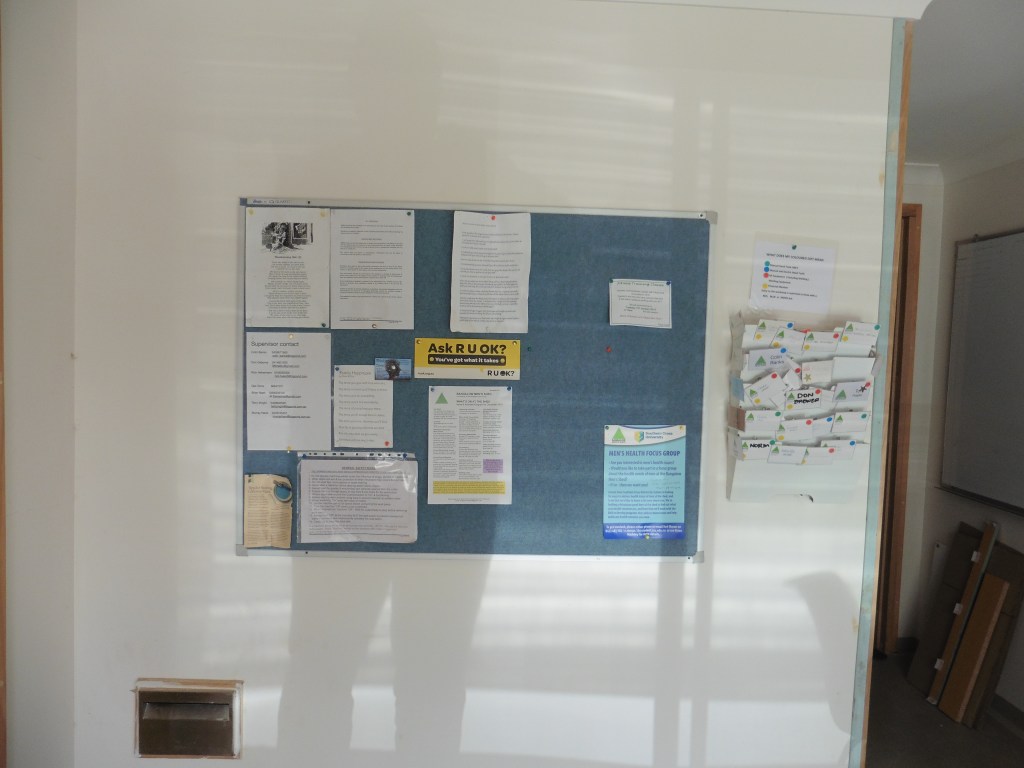
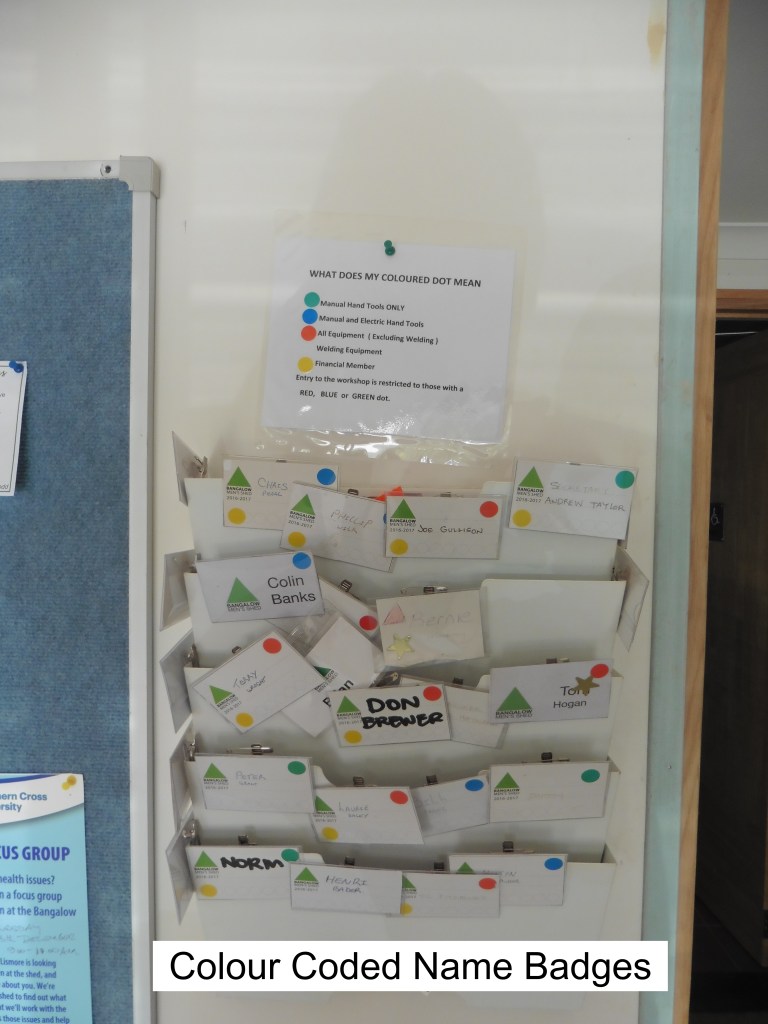
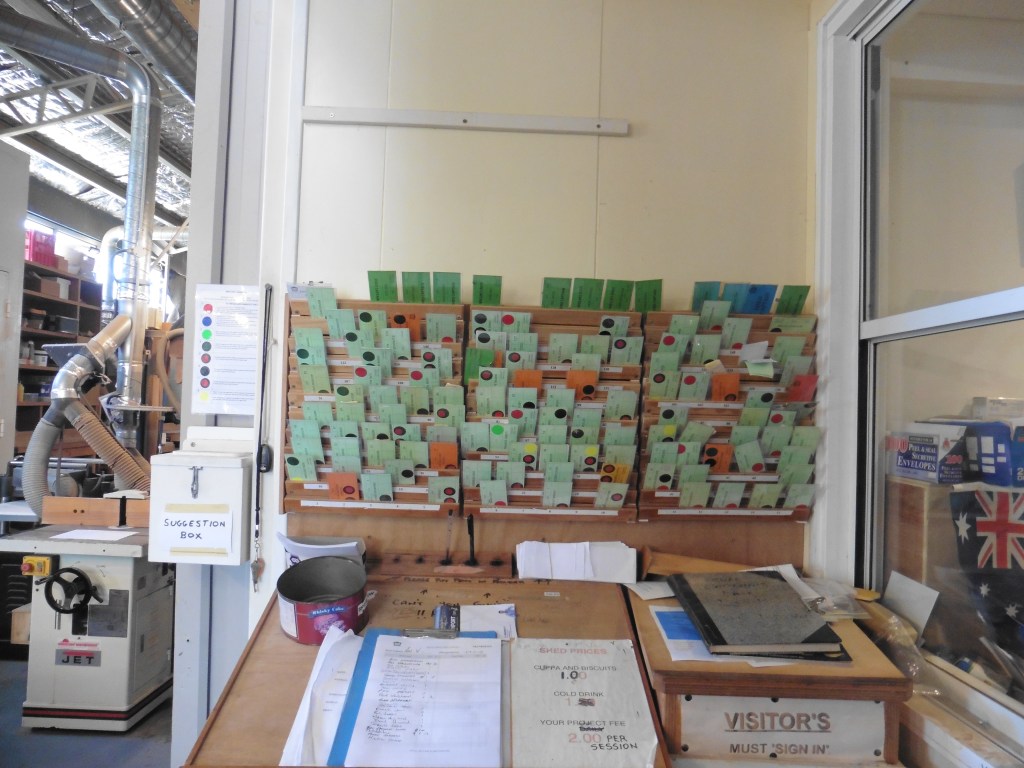
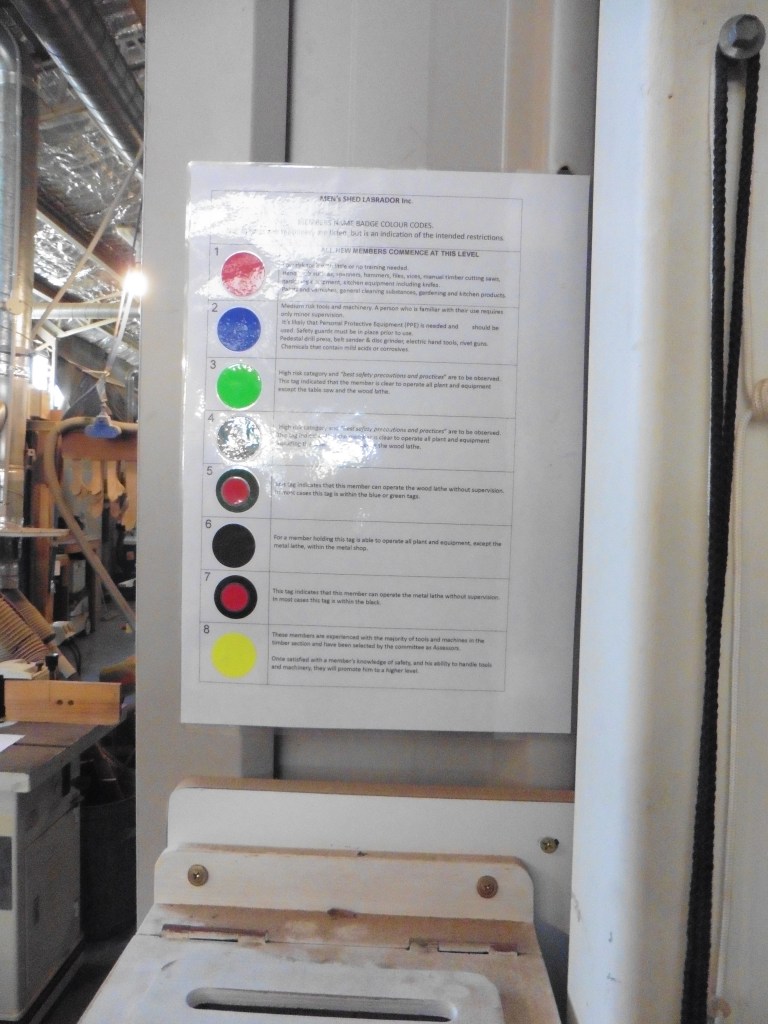
It was pleasing to find that the enforcement of members to be accredited and recorded as being competent to operate hand, power tools and machinery is followed, tailored to the resources available at the Shed.  It was also evident that many were employing a ‘coloured dot’ competence rating method.  I found that the rating charts were displayed on the Notice Boards, and the coloured dots as rated to the respective competences were displayed on the name badges.

We’ve all made it safely through our working lives without injury.  So, let us adhere to the same safety principles to keep us healthy and safe through our senior years as we enjoy the activities and companionship that Sheds provide.

Let us not become victims of complacency.

There are other findings from both countries that are of specific interest, these being:

Specific Findings from Australia:

  • The AMSA.

There are 1027 Sheds in Australia who are all members of the Australian Men’s Shed Association (AMSA).

AMSA has regular contact with the majority of the Sheds and from time to time runs regional Shed gatherings.  However, because of the size of Australia it is impossible for one national organisation to be in contact with every Shed.  Therefore, State Associations have been formed and these in turn have created Zones with a co-ordinator assigned to the Sheds within his respective Zone.  The State Association then reports back to the AMSA Board through their relevant Director of which Len Thompson is one of nine who make up the AMSA Board.

The new Zone concept has pretty much replaced the old ‘Cluster Groups’.

The AMSA ‘recognises a Men’s Shed as any community-based, non-profit, non-commercial organisation that is accessible to all men and whose primary activity is the provision of a safe and friendly environment where men are able to work on meaningful projects at their own pace, in their own time, and in the company of other men’.

The AMSA website is comprehensive and easy to use, it can be found at http://www.mensshed.org

The AMSA Members’ Handbook is also readily available.

I strongly advise all of you to read:

  • Aims & Objectives. (page 7)
  • Sponsors and Supporters. (page 15)
  • Funding. (page 15)
  • Insurance. (page 24). Especially the Section entitled. Activities of a Shed.
  • Funding:

In the UK there appears to be a misunderstanding of how the AMSA is funded by the Federal Government.  To clarify, I quote the statement given on page 15 of the handbook: “In 2010 the AMSA entered into its first Funding Agreement with the Department of Health (and Ageing).  Funding is allocated for two distinct components: AMSA service delivery and direct financial assistance to Men’s Sheds through the National Shed Development Programme.  This programme currently distributes an amount of AU$800,000 p.a. to all Sheds through a competitive grants programme.

  • Public Liability Insurance:

The guidance given in the Handbook clearly states: “The following information is of a general nature and does not take into account your own personal needs or particular objectives.  We recommend you review the details of cover and policy wordings to make sure the programme is right for you and your Men’s Shed”.  And: “you should consider obtaining your own financial product advice about insurance products and its suitability to your individual needs from an appropriately qualified Financial Services Advisor”.

Whether in Australia or the UK, this advice and guidance is common sense!

Specific Findings from New Zealand:

  • Publications: The NZ and Australian Sheds Associations work together, and during one of my visits I was given a professionally printed magazine entitled: ‘The Shed. Where dreams are made real’. It is published on a regular basis.  It is full of interesting projects that members are making and is available on line for a subscription fee. The website is http://www.theshedmag.co.nz
  • Public Liability Insurance: I was advised to look up information on the Accident Compensation Corporation (ACC). Very interesting information.  ACC is a New Zealand Crown entity responsible for administering the country’s universal no-fault accidental injury scheme.  The scheme provides financial compensation and support to citizens, residents, and temporary visitors who have suffered personal injuries.  There might be information here that could help with our problems getting suitable, and comprehensive PLI cover.
  • Fantastic Tales:  Of late, ‘The Lands of the Long White Cloud’ has been the setting for many fantasy movies, especially The Hobbit and Lord of The Rings trilogies, so we had to go and visit Hobbiton.  Believe it or not, it is real!  Ann and I just could not believe what we saw!

But there were no Hobbits.  The Tour Guide told us that Hobbits don’t like hordes of tourists visiting their village so they buzz off down to the South Island where some even get part-time jobs as models for local groups that make Garden Gnomes.

It was also disappointing to see that there was not a ‘Hobbiton Menzshed’.

Personal Opinion:

Every Shed I visited was totally different to any other, not only in the premises, but in the way problems and obstacles are managed and solved.  However, it became clearly evident that the drive to be successful and sustainable was the only common thread.

So, I asked myself: “What are the prime factors behind the drive for success and sustainability?”

I deduced from all the many conversations and all that I saw, the following five factors:

  • Tenacity
  • Comprehensive and effective management of resources
  • Ability to negotiate effectively with local councils and other agencies
  • Detailed planning and scheduling of community works
  • Following the Shed ethos: respecting others by being inclusive and considerate.

I am sure you all agree.

Epilogue:

I thank all the Secretaries and Chairmen who have willingly contributed to ensure that what has been recorded is correct.

In the supposed words of Queen Victoria’s reply when asked about her relationship with Prince Albert: “It gives me great pleasure” – to have shared with you my thoughts and findings of these wonderful experiences, and I sincerely wish that they be used effectively to open dialogue that will help us all in the UK Men’s Shed Association ensure that – “When Sheds thrive, they change lives!”

The roads go ever on!

Footnote:  A quiz for all you Wellington and Auckland ‘Shedders’ to figure out!  Did Victoria mount Albert; or, did Albert mount Victoria?
Shed 1. Camden Park Community Men’s Shed. Adelaide. South Australia.

Visit date: Wednesday 12th December 2018.

Camden Park is a suburb of Adelaide.  The Community Centre was set up in a redundant Primary School in the 1970s.  The Shed does not have its own website, but the Community Centre website gave me the contact number of the Volunteers Administrator.

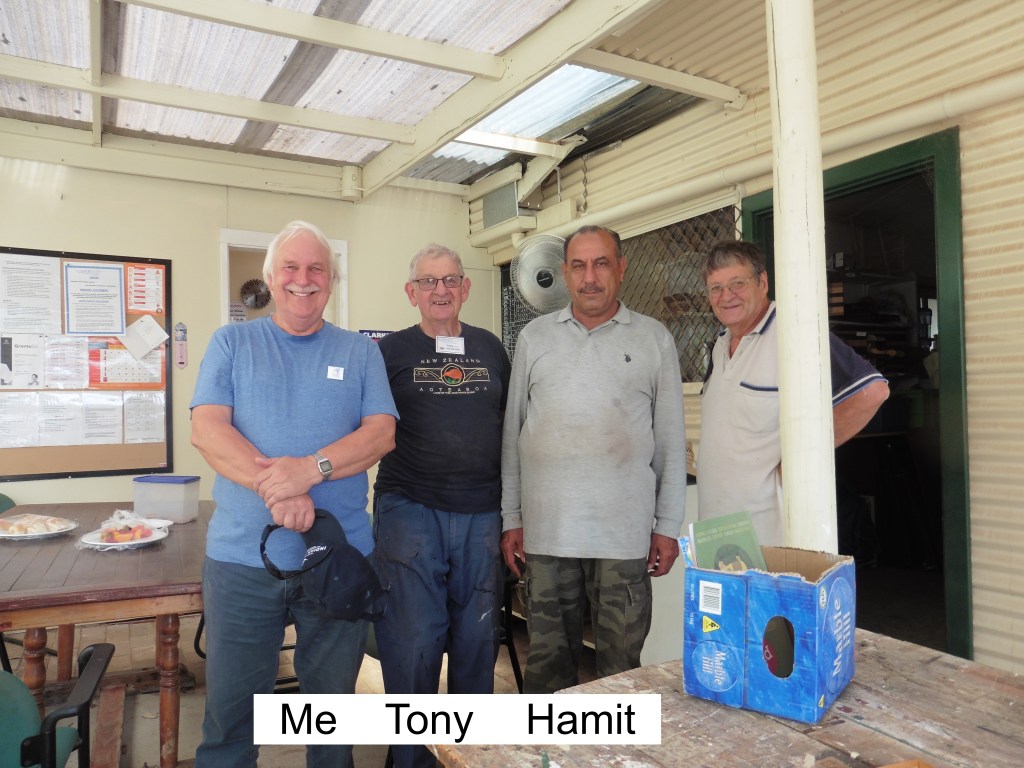
The visit was arranged, and on arriving I was introduced by the Volunteers Administrator to Tony and Hamit.  Both gave me a warm welcome, and the kettle was put on.  Tony is an ‘old hand’, and has been with the Shed since it started, so he was going to show me around.  Hamit had emigrated from Iraq, and had been with the Shed for two years.  He told me that he loves the ‘Shed’ ethos, and is a regular member.  Tony informed me that the Chairman was unfortunately not available.  

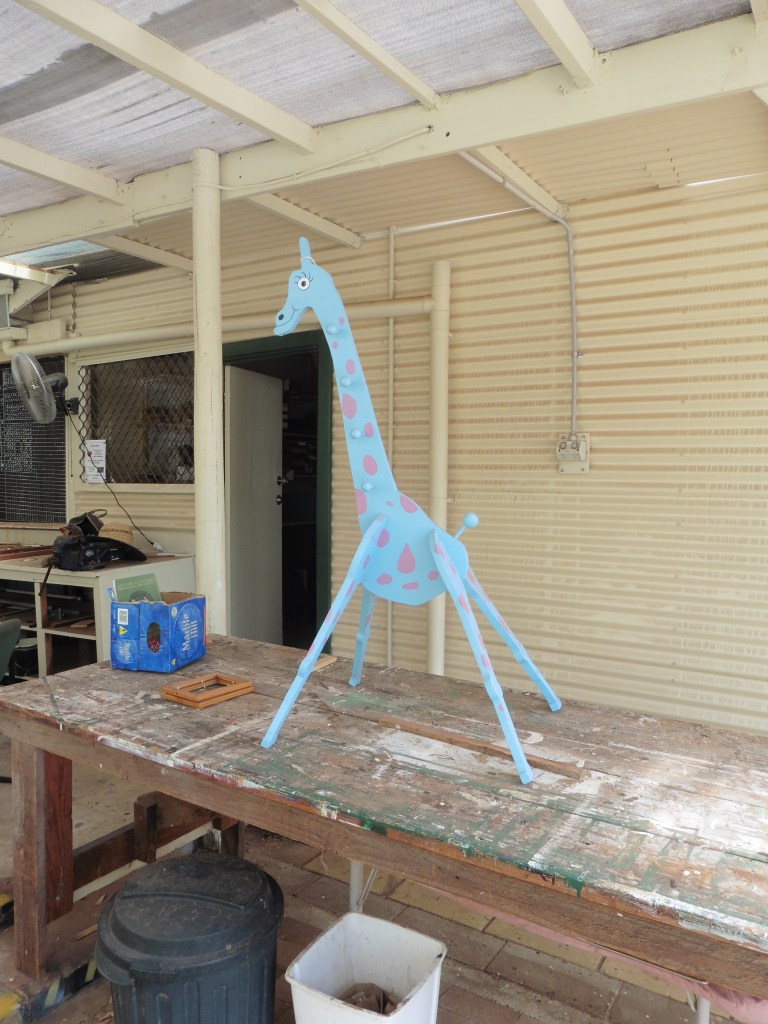
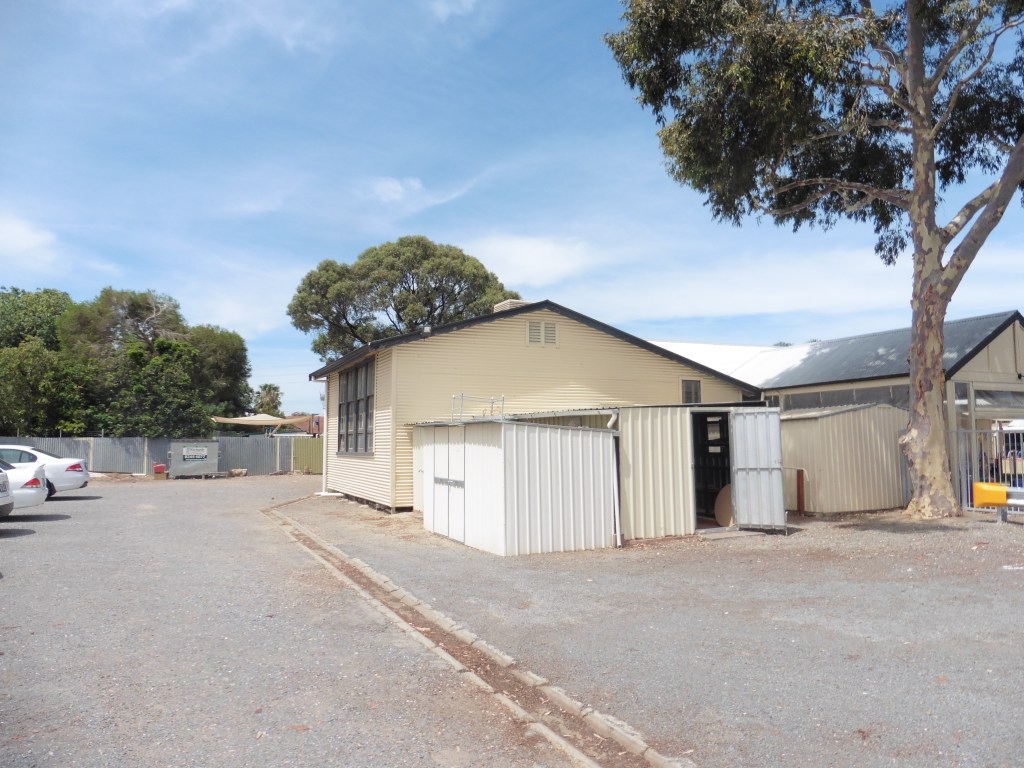
It has been running since 2004 as integral with the Community Centre.  The main workshop area occupies one of the old classrooms, and two side rooms.  A metalwork shop with an external storage area is being developed across the road behind the ‘OP Shop’ (Charity shop).

This site consists of two disused garages and a yard.

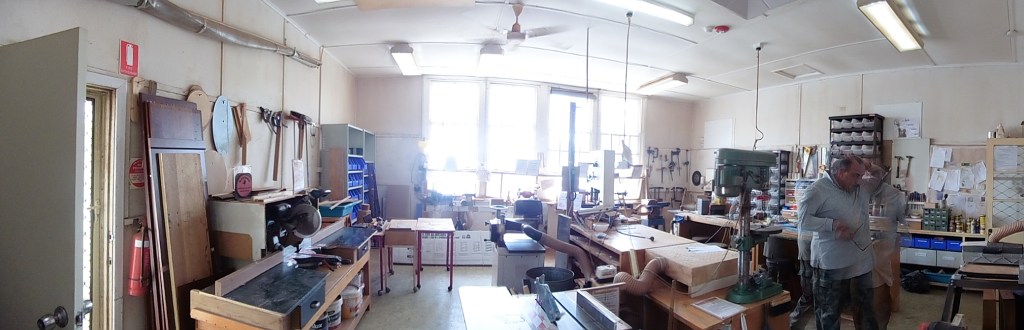
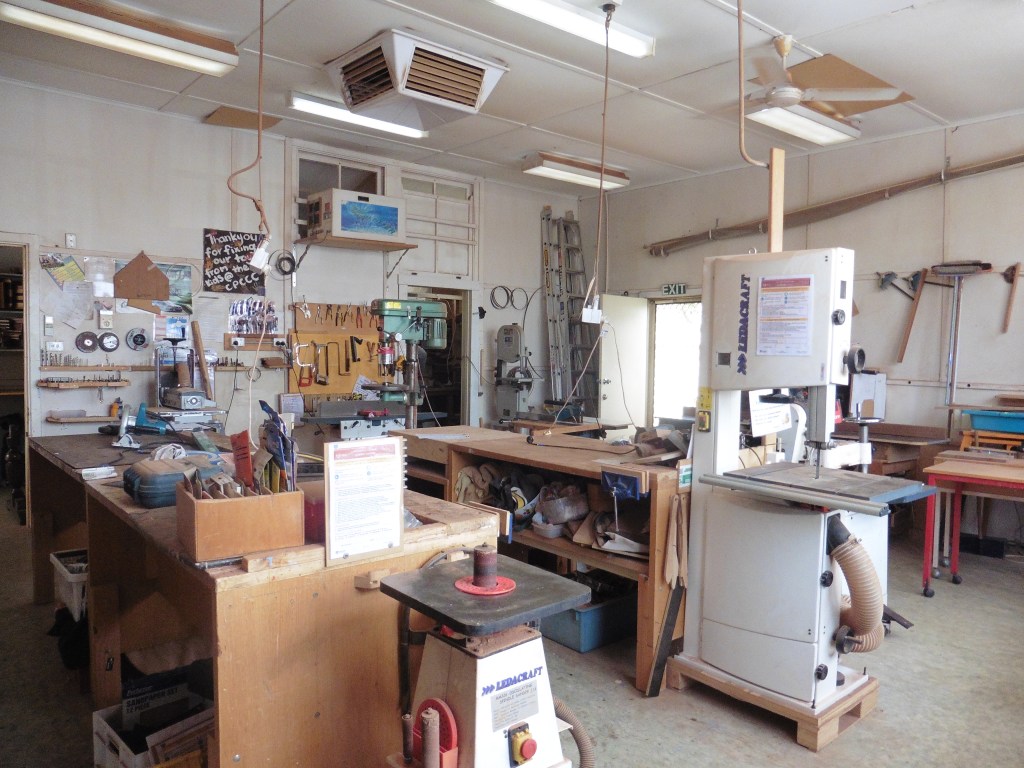
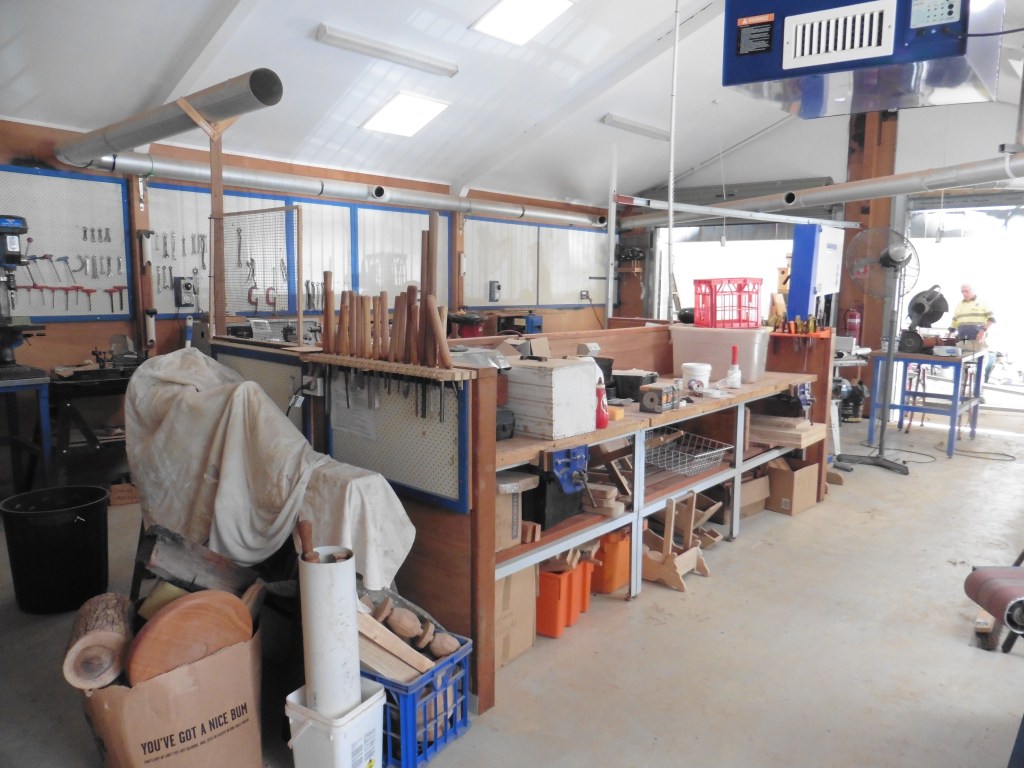
The main workshop is devoted entirely to woodworking, set up with the usual machinery and hand tools. It is 7.4m x 7.4m, giving a floor area of 55m2.

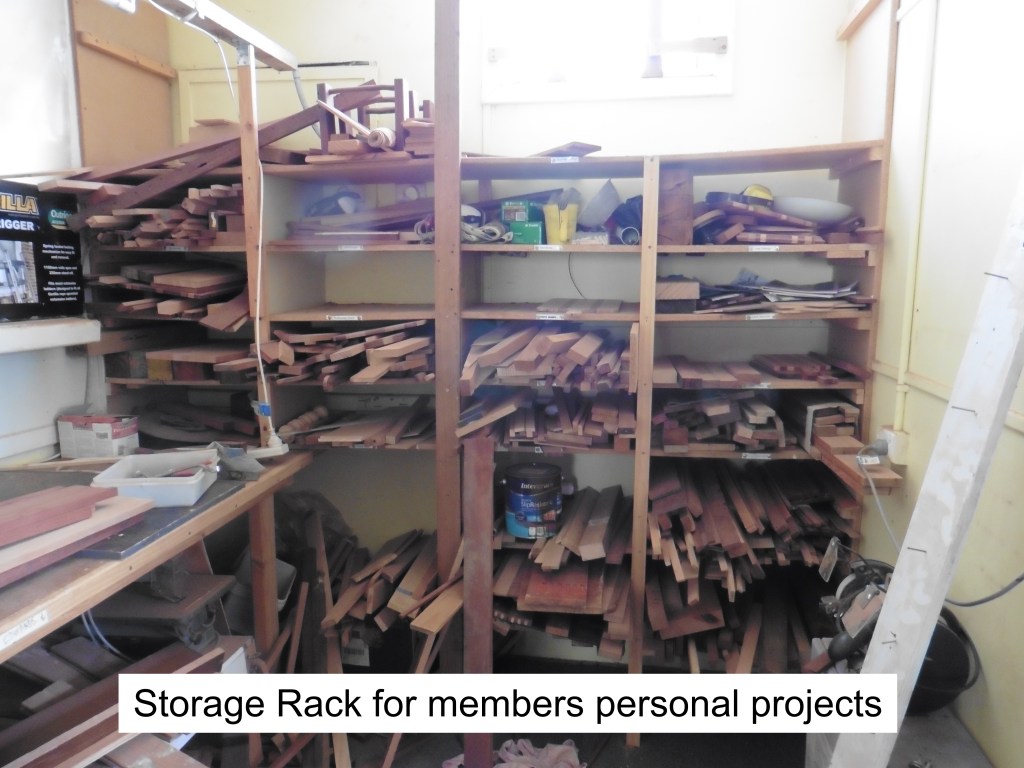
It is well organised, with the two side rooms used to store reclaimed native hardwoods, items for sale or refurbishment, and members personal projects. Immediately behind the workshop is a small shed which houses the sawdust extraction equipment, and other stored wood.

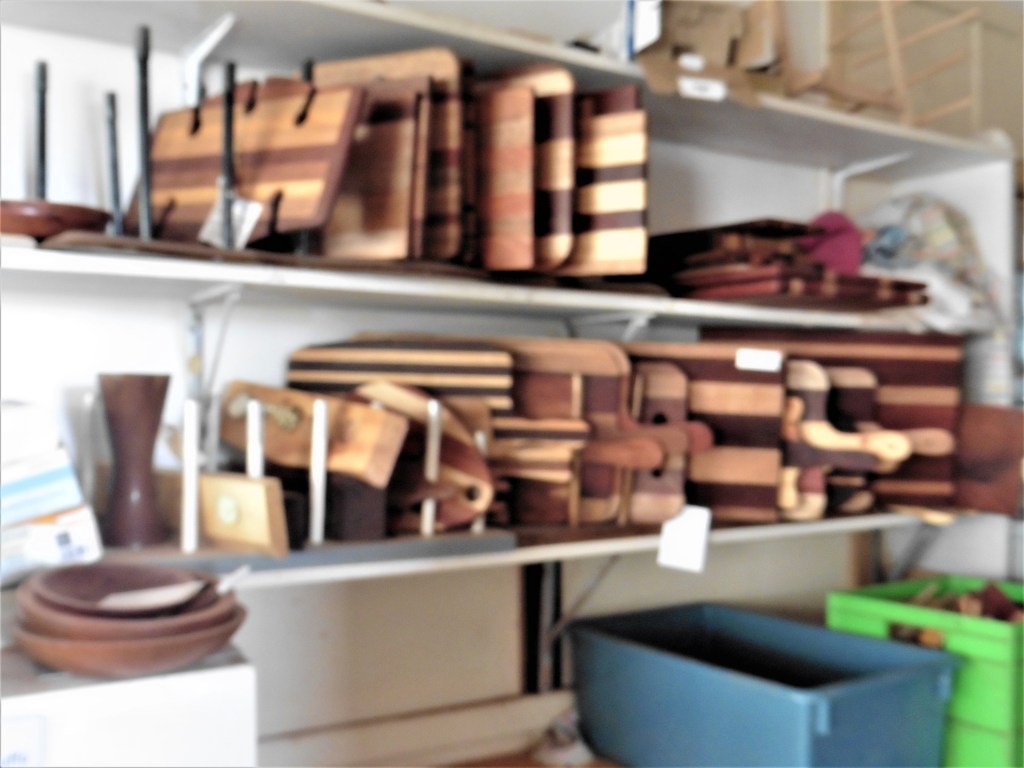
Also managed by the Shed is a neat outdoor raised bed garden which can be used by both Shed and Community members.  Open four days a week, the prime activities are making items such as decorative, quality Serving Boards made from native woods, refurbished items, raised beds, nesting boxes and retirement, birthday and wedding gifts, which are all for sale to support the Community Centre running costs.  Luckily, the lads do not pay any rent or rates as they have an agreement to attend to any running repairs or maintenance of the buildings: obviously, within their abilities.

Health and Safety, and member accreditation procedures are followed, and records of accreditation are kept on file.  To ensure the accreditation process is adhered to, each member has a colour code on the name badge that displays the level of competence that member has achieved.  Accreditation is open for further review.

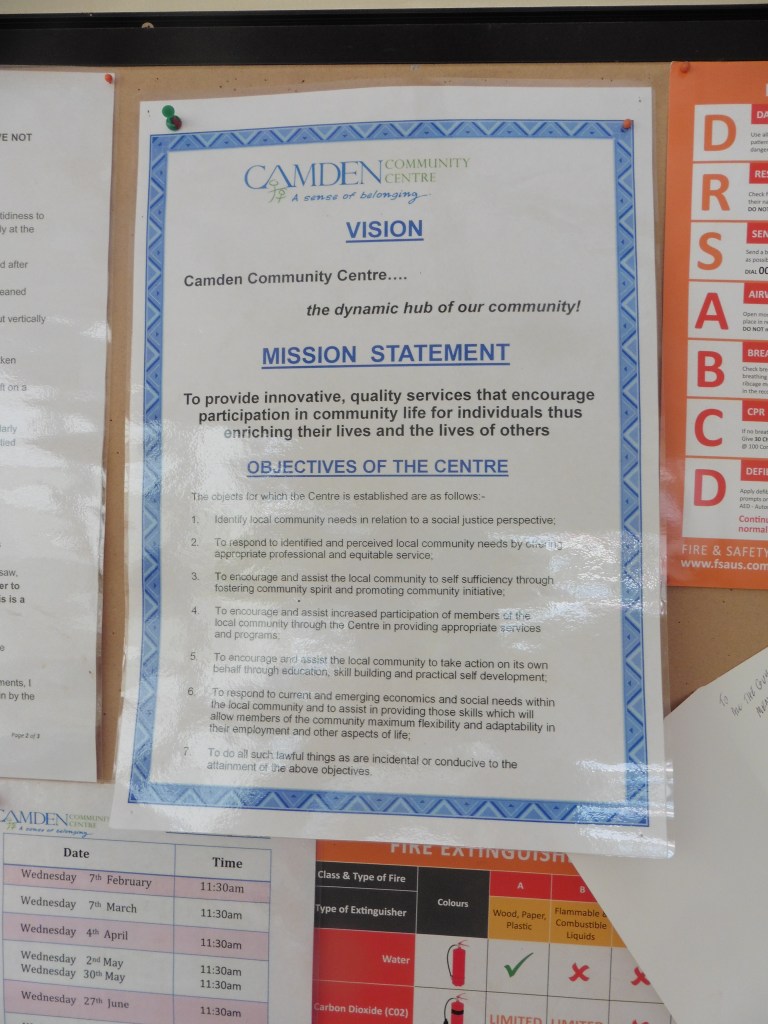
The Shed has a Code of Conduct, and a set of Objectives which align with the Men’s Shed ethos world-wide, being:

  • Pass on the lessons learnt from ‘Old Jack’, which basically means that the more experienced volunteers share their skills and mentor the newer members, and ensure that all enjoy the company and contribute meaningfully to the community.
  • Encourage camaraderie.
  • Make and sell products to help cover the running costs of the Community Centre.

For more information: www.camden.org.au/woodwork 

1. Camden Park Community Men’s Shed. Adelaide. South Australia. Photos

The main Shed building which was an old school classroom. This building is behind the Community Centre, which was the main school building.
The main workshop.
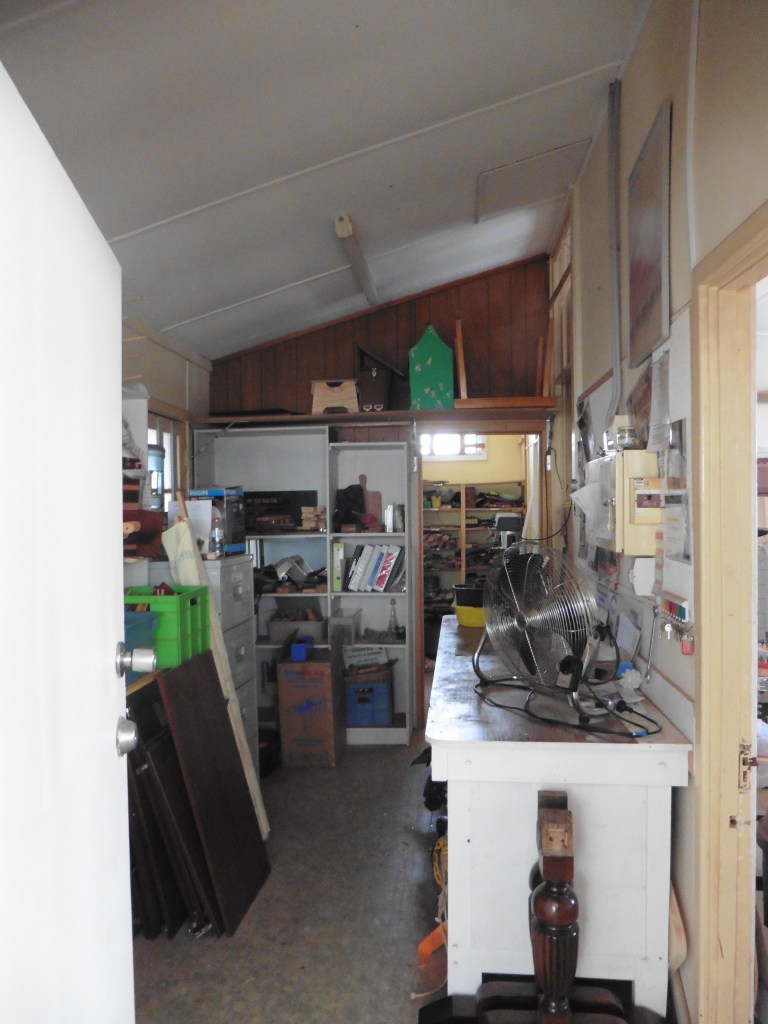
General store room and corridor – looking towards the members projects store room.
Hardwood Chopping Boards and Serving Platters.
An interesting project for the Community Centre in the Painting Workshop.
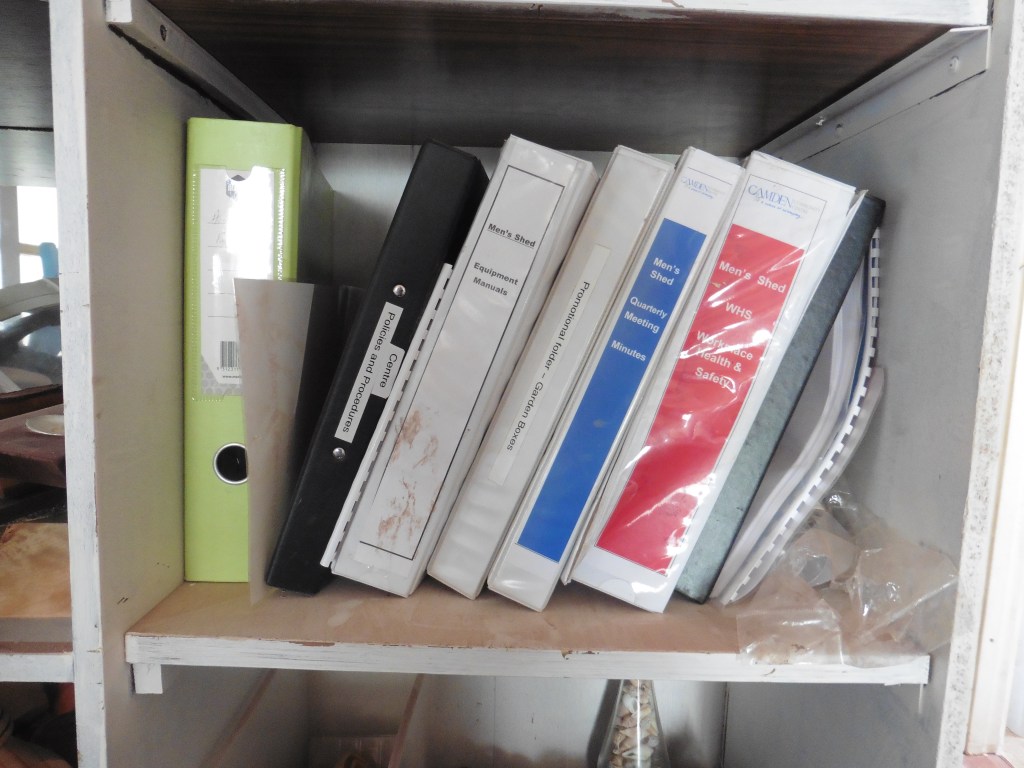
An organised filing system.
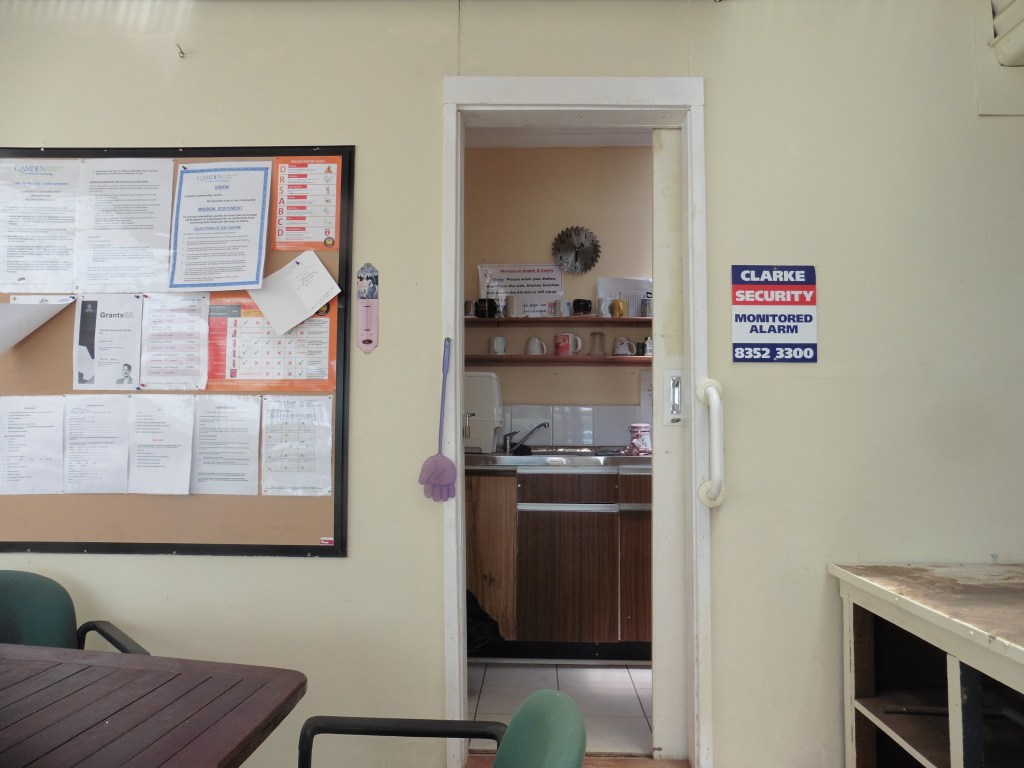
Mess Room and kitchen.
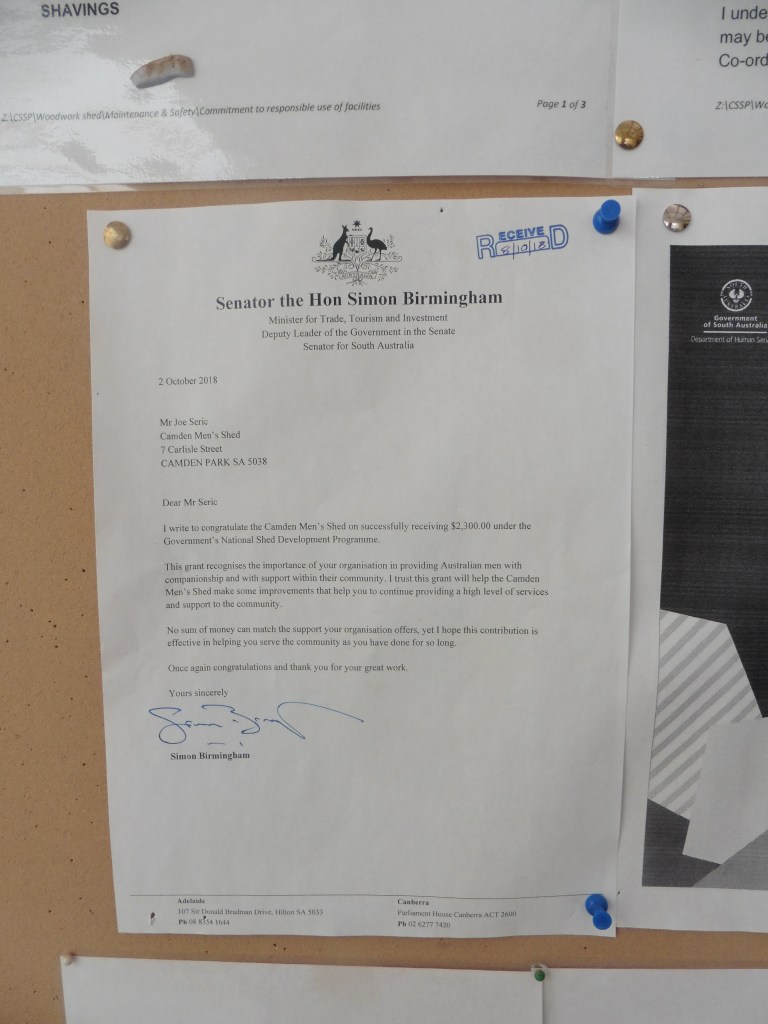
Citation from a Government Senator! Praise indeed!

Shed 2: Point Nepean Men’s Shed. Sorrento. Victoria.

Visit date: Thursday 20th December 2018.

Finding this Shed was a total surprise!

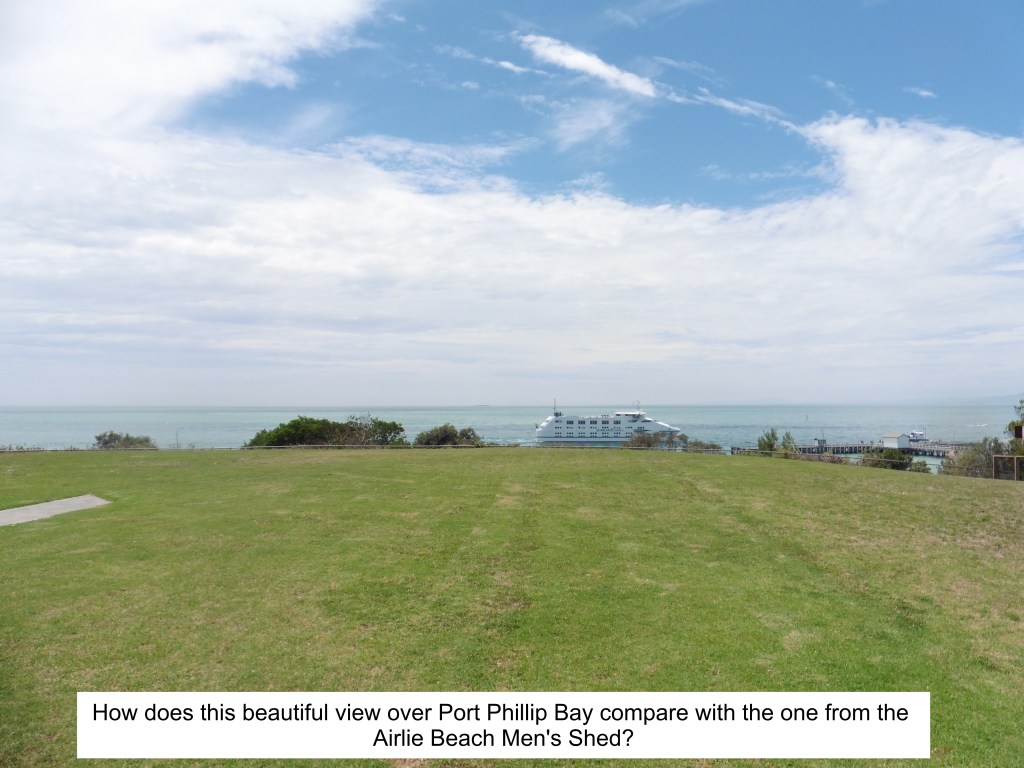
Sorrento is a small seaside town situated near the entrance to the wide expanse of Port Phillip Bay.

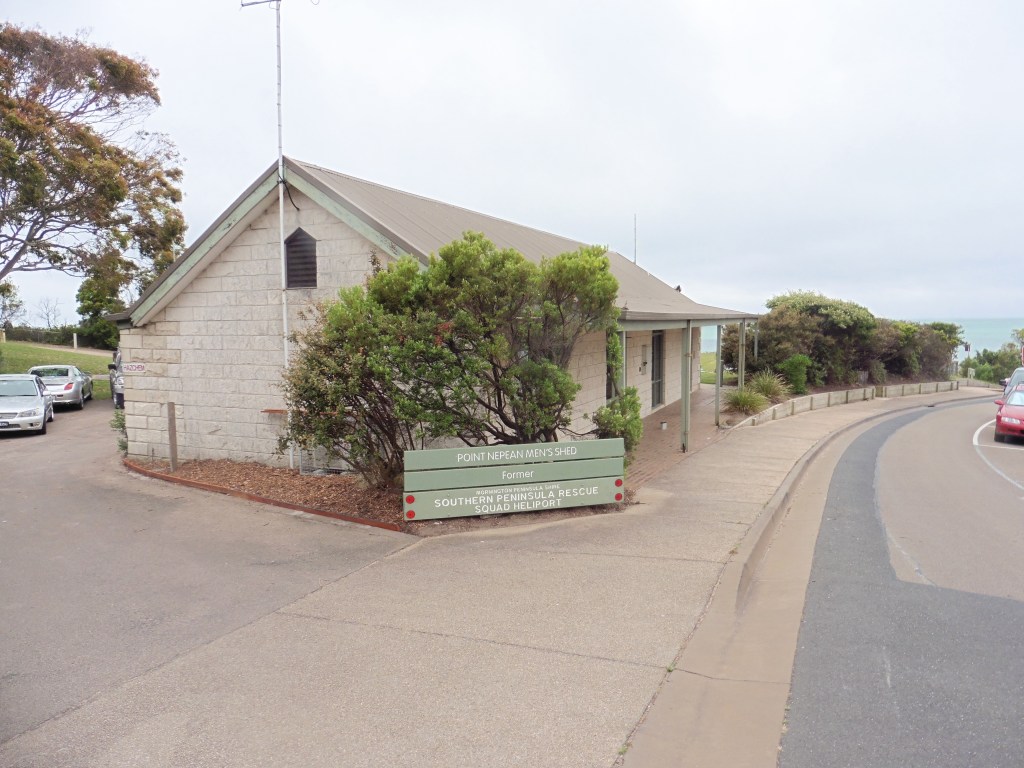
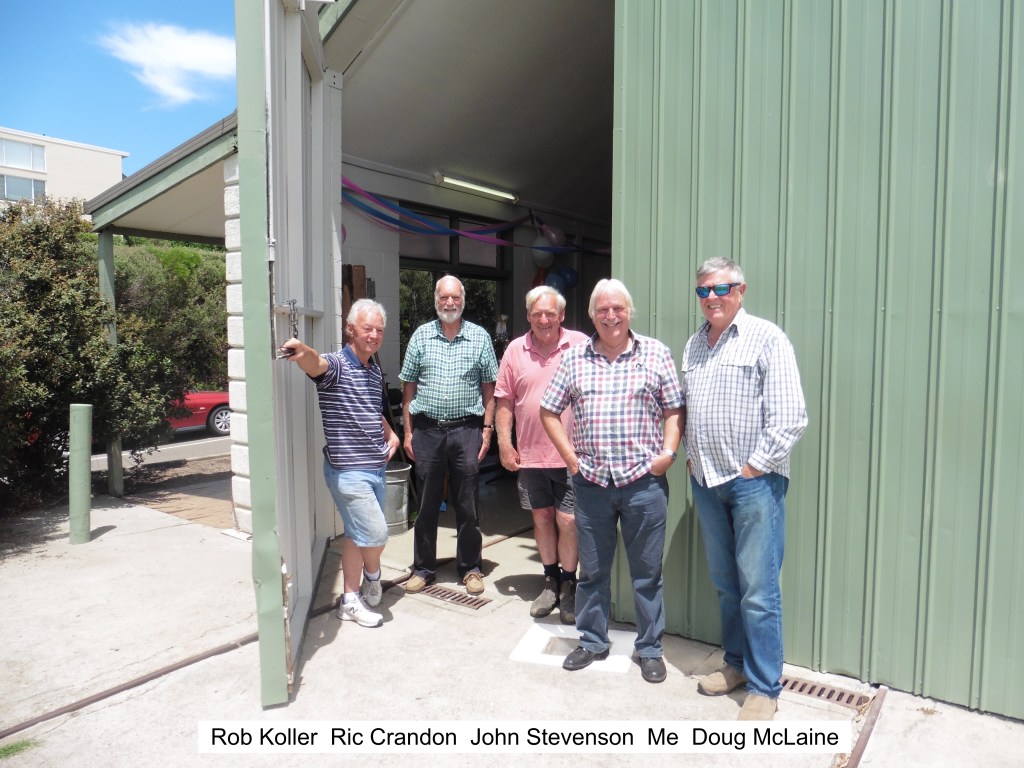
We went for an afternoon stroll along the low cliffs to look over the Bay, when I saw a single storey building on what looked like a small neatly kept park.  In front of it was a sign that read ‘Point Nepean Men’s Shed’ and beneath ‘Southern Peninsula Rescue Squad Heliport’.  Now, very curious, I walked down to the building to take a closer look.  To my surprise, there were men inside, so I opened the door and introduced myself.  The men introduced themselves as Shed members who were meeting to organise the Shed Christmas Party, and invited me back the following day to attend the General Meeting.

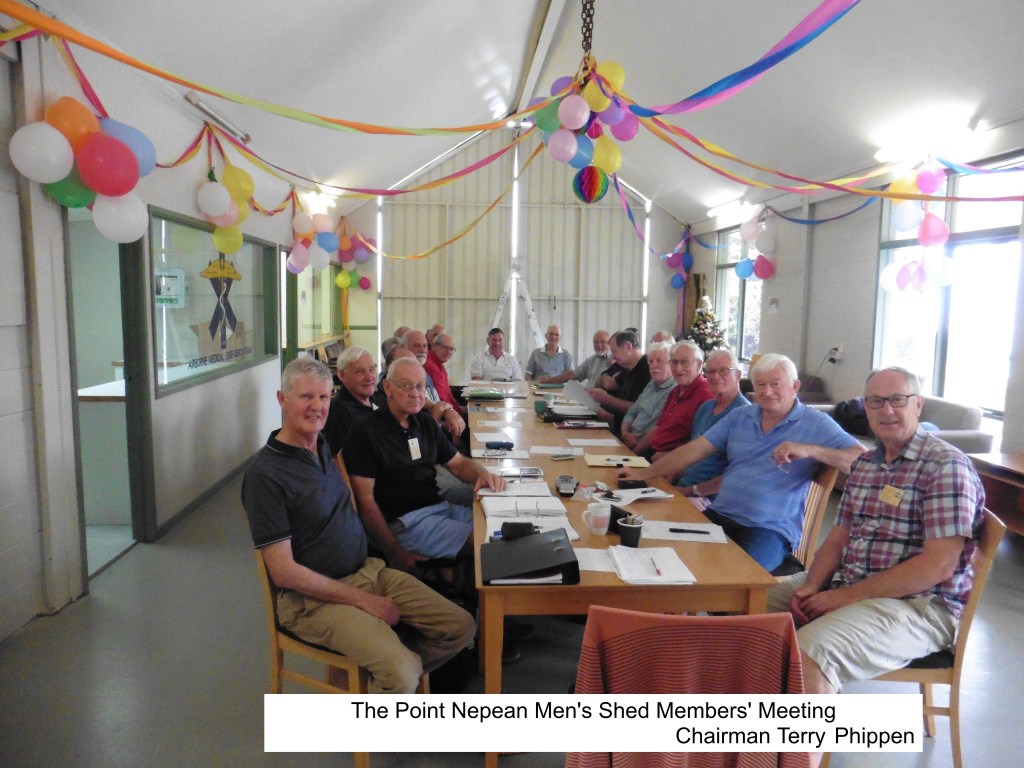
On arrival, I was greeted by Chairman, Tony Phippen, who introduced me to the other Committee members and attendees.

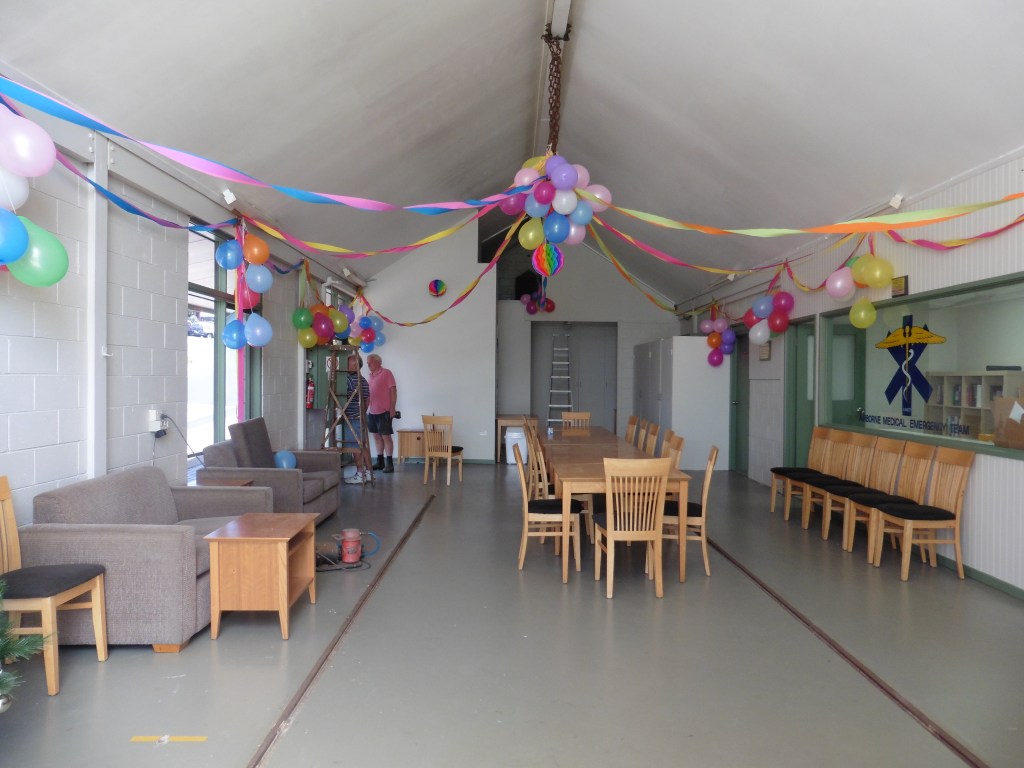
The meeting was being held to organise the arrangements and work required to convert the building for Shed use.

Point Nepean Men’s Shed was founded in June 2018, and the search started to find suitable premises.  A few sites were investigated, and one was selected that needs a considerable amount of work doing to it.  But then, the recently decommissioned Air/Sea Rescue Helicopter Station was offered to the Shed.  This had been achieved with help from the local ‘Lions’ and ‘Rotary’ Clubs.

A long-term lease has been agreed with the local Council, with occupancy being taken in November. Included, is the old cliff top helicopter landing pad, and a fantastic sea view!

A true stroke of luck, I’m sure you agree!

As can be seen, the building is well maintained and of a substantial size comprising of the helicopter hanger, toilets, changing rooms, offices and store rooms.  However, due to the lease agreement, and its location, the building cannot be used as a workshop, so the intention is to use it for conferences, handicrafts working groups, and local events.  For the use of the building the Shed pay an annual rent of AU$520, and a monthly electricity bill of AU$60.

The other site, though in use, will be developed as the prime workshop area.

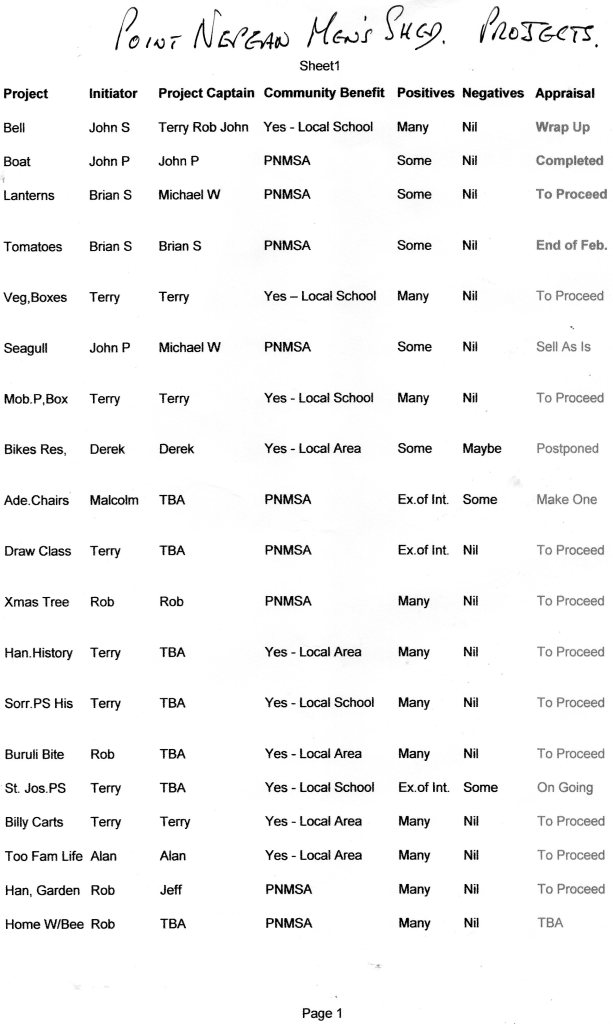
Income: The group already has a long list of projects (completed and planned), for local schools and community projects, these being:

  • ‘Sausage Sizzles’ Registration with a local Hardware Store chain. Earnings average AU$1200 per pitch
  • ‘Sausage Sizzles’: Friday evenings during the autumn for members and the local public
  • The restoration of a local school bell, and building a new tower to house it
  • Building garden bed structures and multi level planters for Community Gardens
  • Insect hotels and wildlife shelters

Other fund-raising schemes being explored are the setting up of an annual ‘Billy Kart’ (soapbox) Derby, and undertaking the maintenance work at the local golf club!

The name badges are very professional, and there is a logo designed ready for use on Shed clothing.

Membership at the time of my visit stood at thirty three.  However, latest news is that membership is booming to a point where the Shed is considering a cut-off number.

The membership fee is AU$100 per annum, with tea/coffee at AU$ 2 per weekly visit (if they pay!!).

Self accreditation and Health & Safety issues have yet to be addressed, but there is a defibrillator on site.

I was shown a big Christmas Hamper that had been put together with contributions from local shops and businesses, worth an estimated 100 AU$.

This was the top raffle prize for their forthcoming Christmas Party!

For more information: www.ptnepeanmensshed.com 

Shed 3: Coffs Harbour Community Men’s Shed. New South Wales.

Visit date: Tuesday 8th January 2019.

Another total surprise!

Why?
Our Air B&B hosts asked us what we intended to see in Coffs Harbour, and during the chat I mentioned that I am a member of Men in Sheds, and my intention during our tour was to visit any Sheds en route.  To my surprise, they told me that there was one just outside the town. I quickly found the website, and arranged my visit.

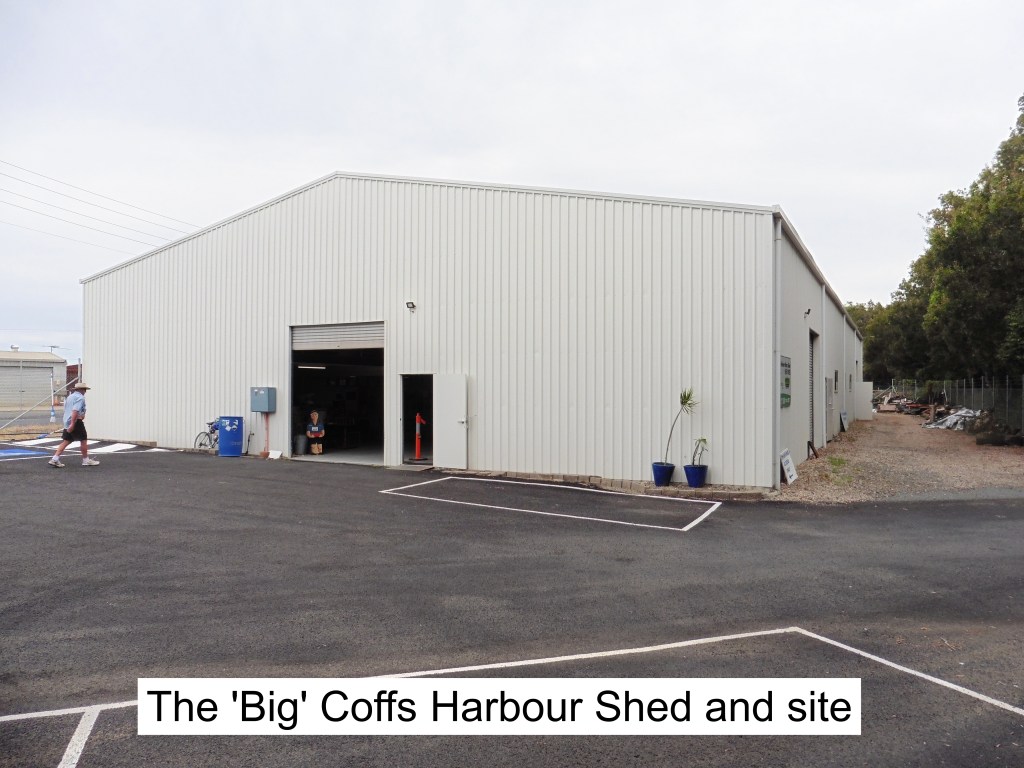
The following morning, I looked at the map and decided to walk to the Shed as it was just on the outskirts of the town.  After a short 30-minute walk, I found the entrance to the site which is an old quarry owned by the local council.  Before me, I saw a brand new large grey industrial building on a big plot of land.

I entered the building, and found the lads having their tea break.  I introduced myself, and was offered a cup of tea! 

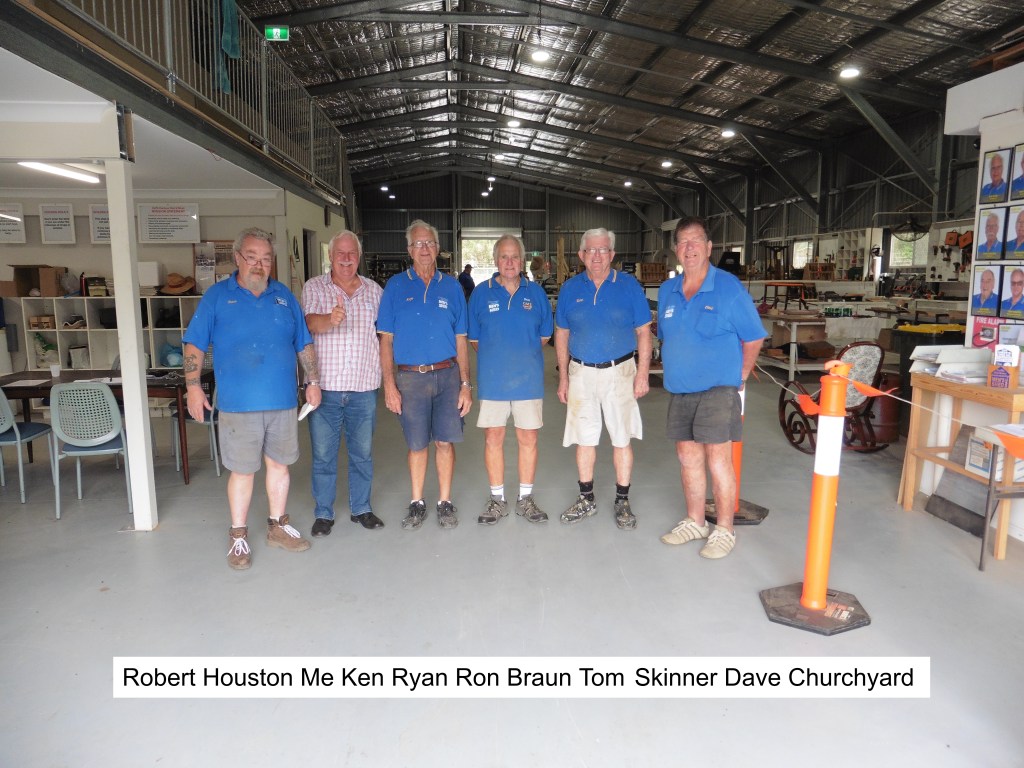
Shed President, Ken Ryan welcomed me, and introduced me to Robert Houston who is the Shed Manager.  It was Robert who showed me around.

The Shed was founded in 2010 on a smaller site.  This new building was opened in 2017.

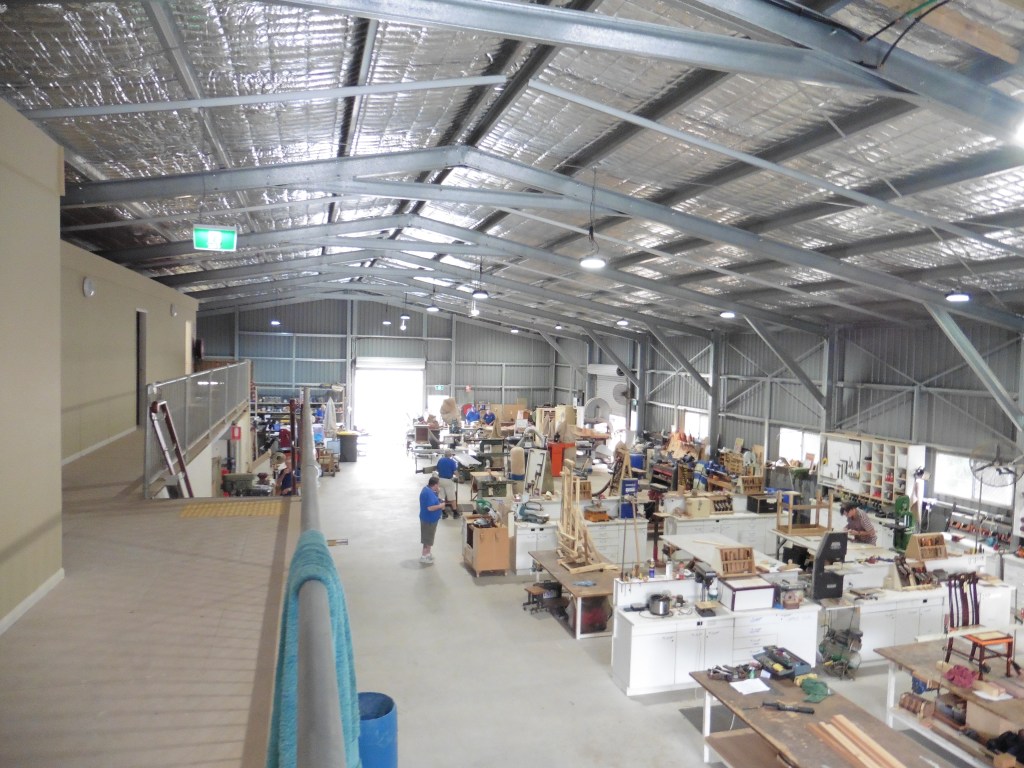
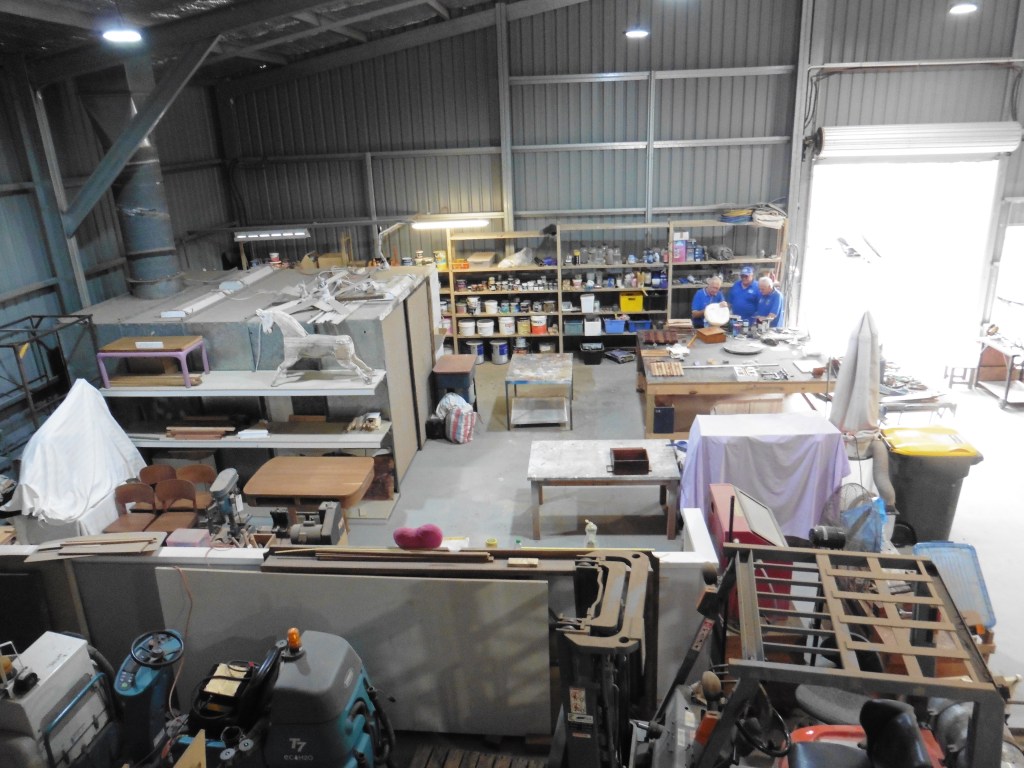
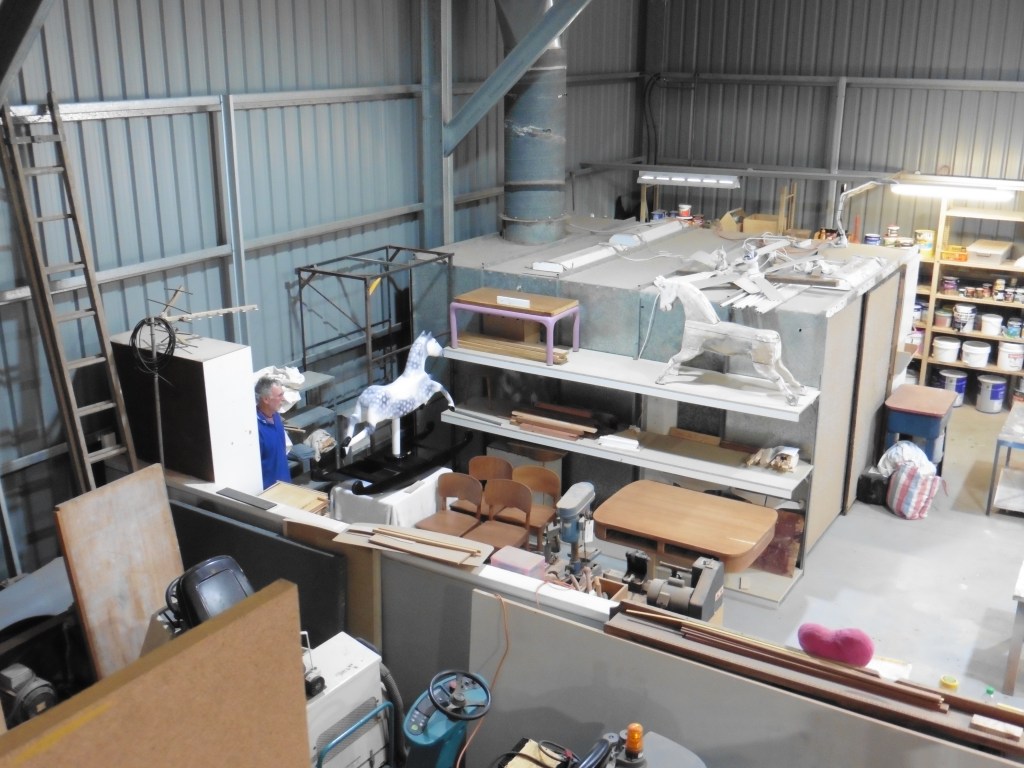
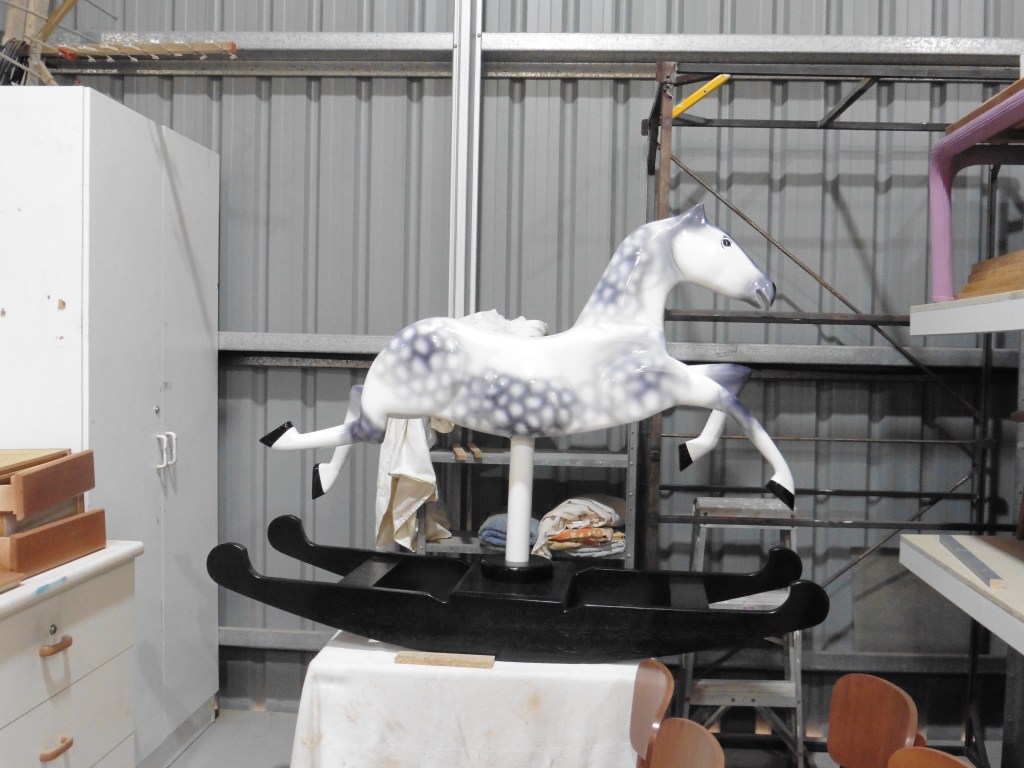
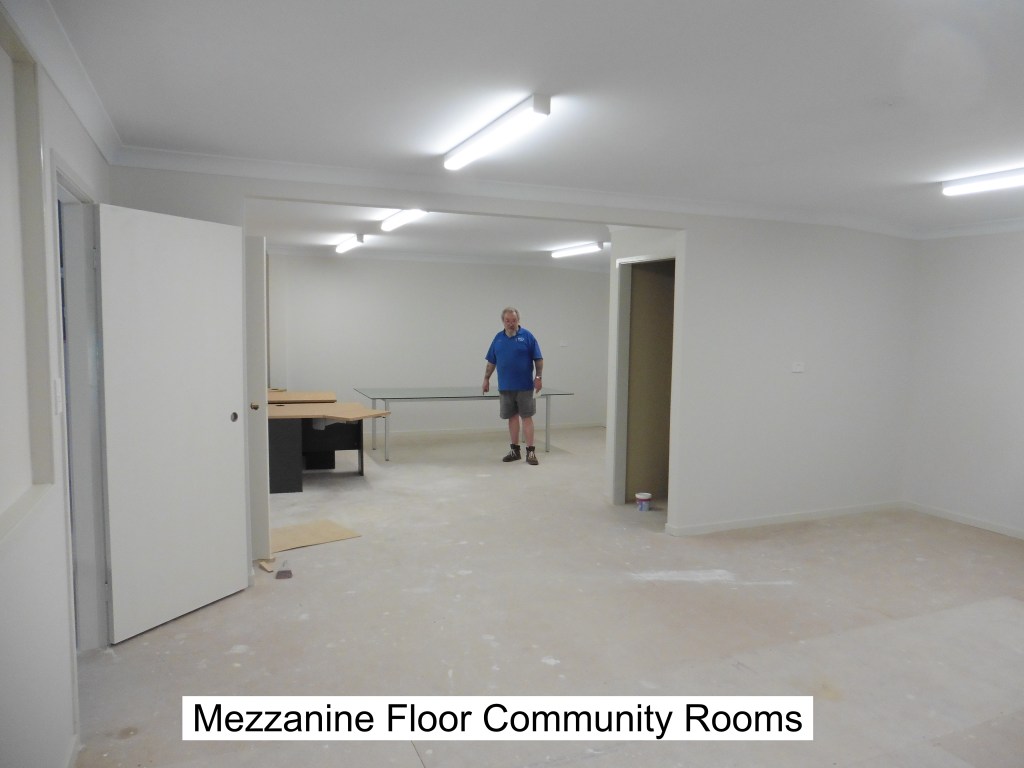
It has a floor area of 800m2 the majority of which is workshop space.  The sheer floor area means that many activities can be accommodated that other sheds cannot.  As can be seen from the photos, there is a large Engineering and Metalwork area, including a welding bay and a painting area, complete with spray booth, where restored or new children’s Rocking Horses were being sprayed. There is an office, mess and kitchen area, toilets, changing rooms and stores.  Over the ground floor rooms, the lads have built a mezzanine floor with an area of 450m2, again divided into more rooms and storage space. These rooms have no windows, lit by fluorescent tubes, and the walls are painted a stark white which gives them a cold, clinical feel.  One had the walls marked out for fixtures and fittings of some sort.  I asked Robert what they were for, but he just muttered, and continued to tell me that the rooms are intended to be used as craft workshops by other local community groups.

The land is classed as ‘Crown Land’ managed by the local council who have granted a 25-year renewable lease contract to the Shed.

Capital for the building was raised from Government Grants and other sources such as Charities and sponsorship. 

The costs involved were approximately:

Floor slab – cast concrete    AU$100,000

Building structure – steel      AU$160,000

Internal Fit out & services       AU$70,000

Running costs are hard to determine at present, but rough estimates work out at about AU$150 per day for power, consumables, etc.

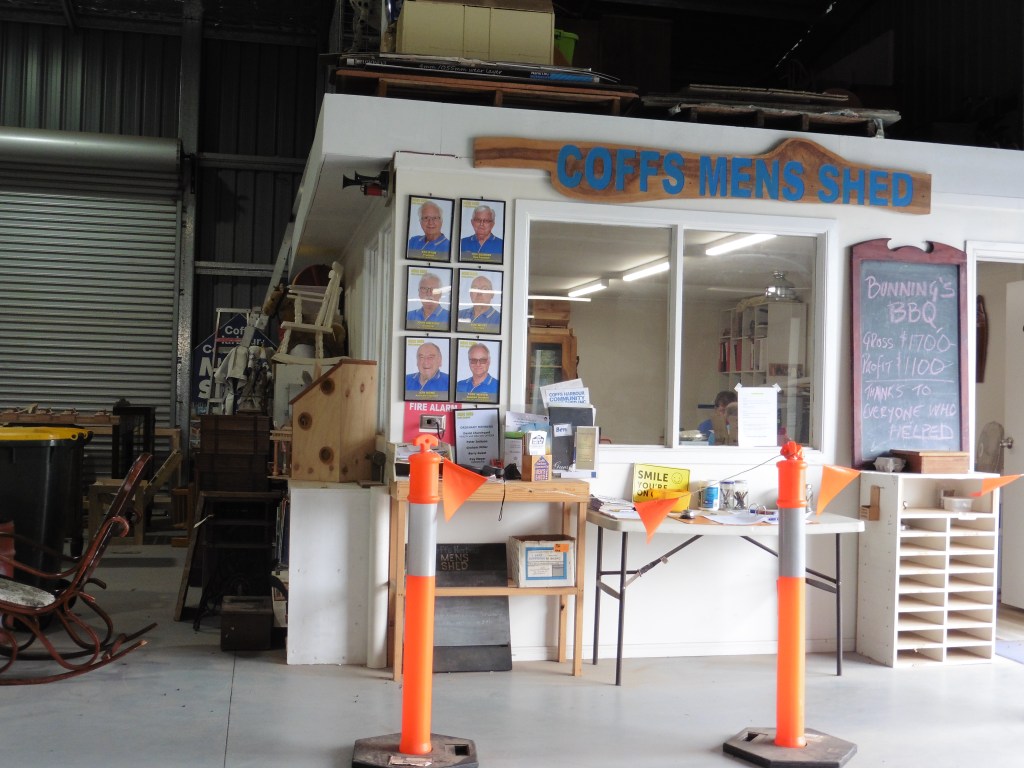
Running costs are met by payments gained from Community Projects and doing two to three ‘Sausage Sizzler’ BBQs during the year at the local Bunnings DIY Superstores. The lads spend on average AU$600 for a supply of sausages, bread, onions and fizzy drinks, of which Sausage & Onion sandwiches are sold for AU$2.50, soft drinks for A$1.50 each.  The lads normally sell about 35 to 40 kgs of sausage and onion sandwiches, which along with the drinks reaps a healthy profit of around AU$900 to 1500 on a good day.

The Shed also run Market Stalls, and similar to the UK, not much is sold, but they consider them worthwhile attending as it gives greater public exposure for what Sheds do and advertising.

Other revenue streams are bespoke jobs and sales that bring in a very good income for the Shed.

Community projects include building ‘buddy benches’ for a pre-school, and some musical items for the Stroke Ward at the local hospital, these being washboards, indigenous clap sticks, rattles etc.

Currently, paid up membership stands at 160, with a membership fee of AU$50 /annum.

Average age is mid 50s, with the youngest in his mid 20s, and the eldest in his late 80s.

The tea/coffee fund costs AU$2 per visit.

An official Opening Ceremony is being held on the 3rd May, so watch the website for more information and photos.

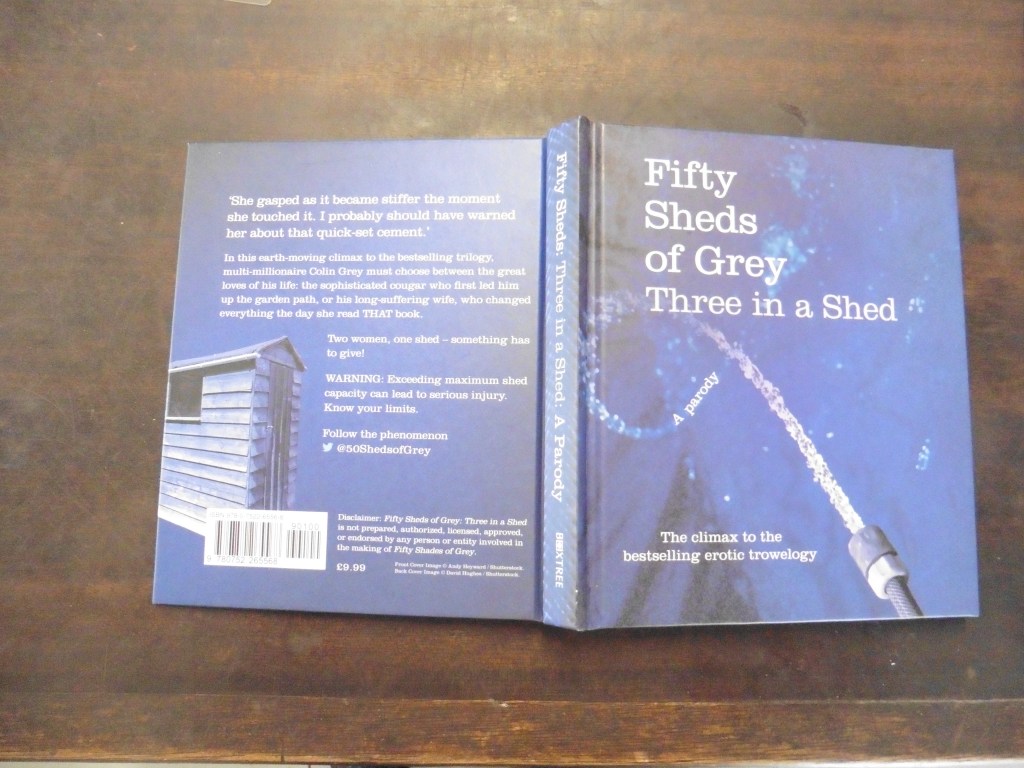
Footnote: Just as I was leaving, I noticed a half open book, laying cover side up on desk outside the office. I’m sure the title read: ‘Fifty Shades of Grey’.  Perhaps, that was why there were so many ropes, chains, saddles, shackles and oddly shaped battery-powered devices in the Stores? For more information: www.mensshedcoffs.com.au

3: Coffs Harbour Community Men’s Shed. New South Wales. Photos

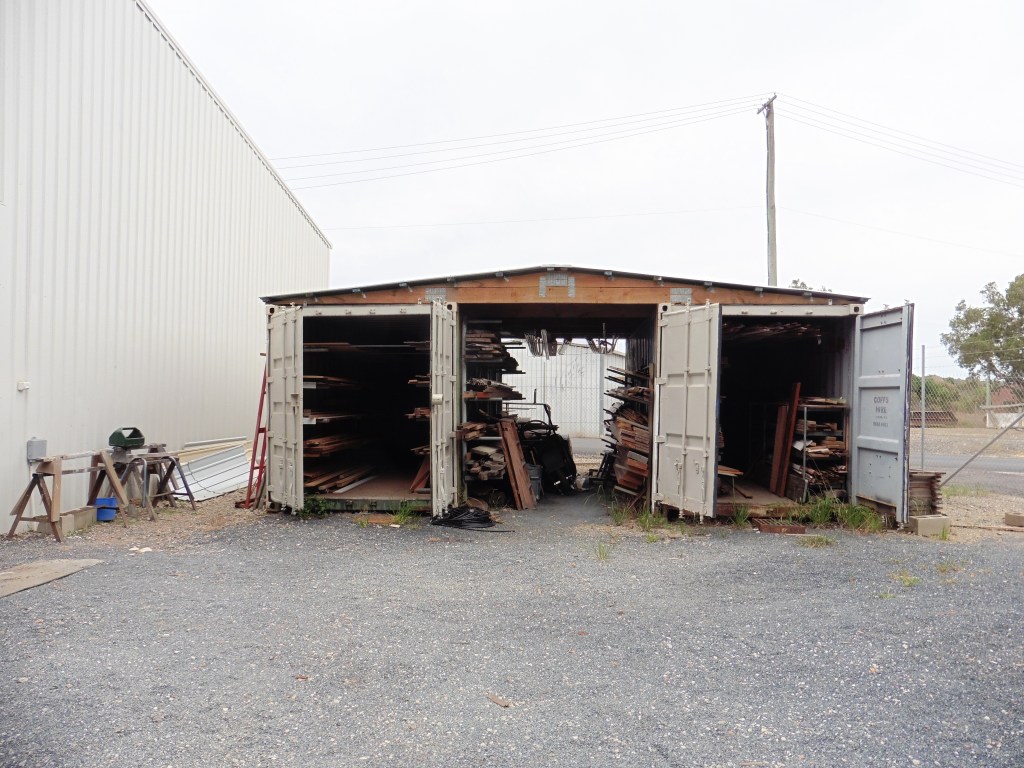
Timber store at the side of the building.
Wow! ! ! Note the mezzanine floor. Below the mezzanine floor are located the toilets, store rooms, and Machine Shop.
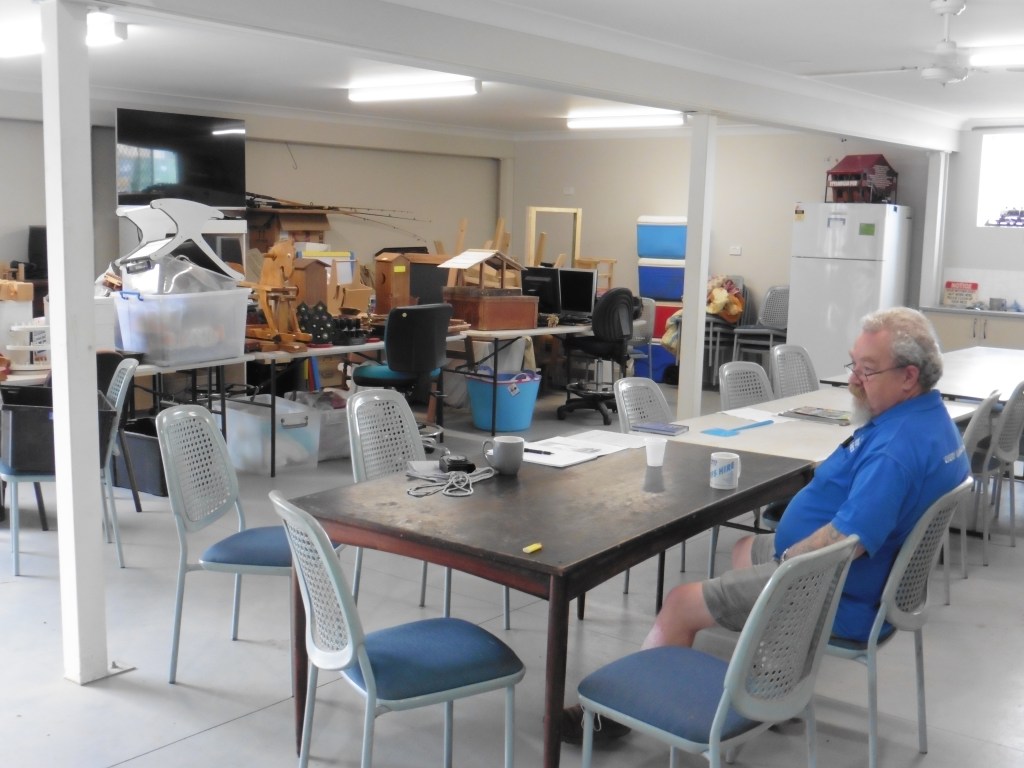
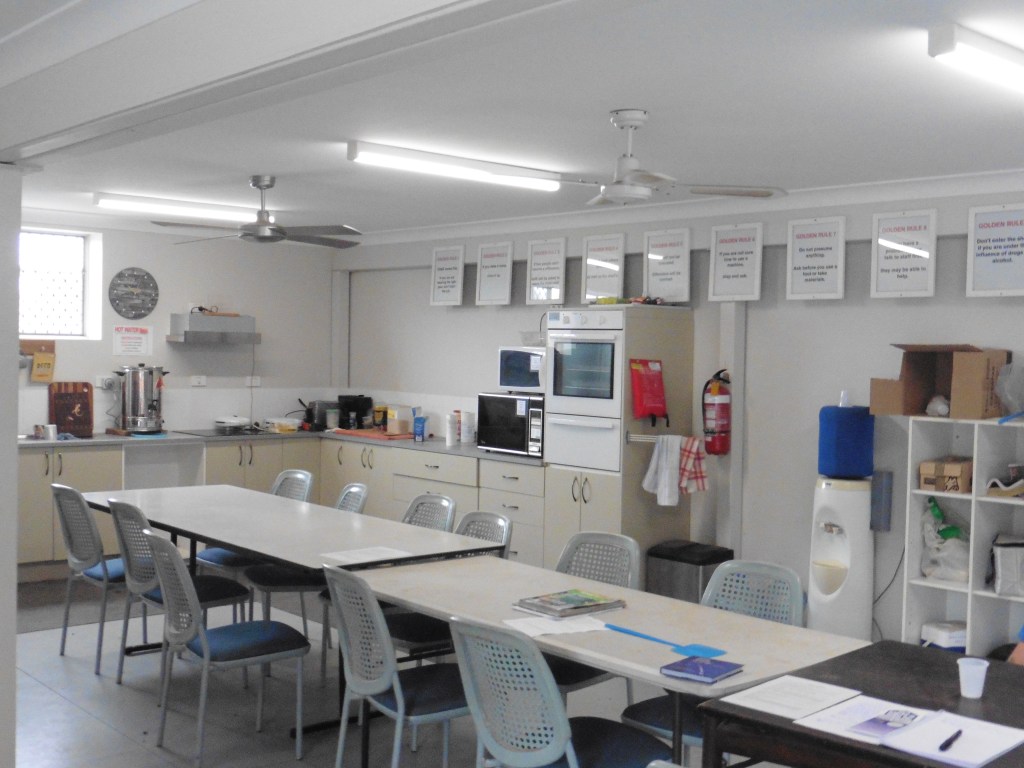
Mess and Meeting area.
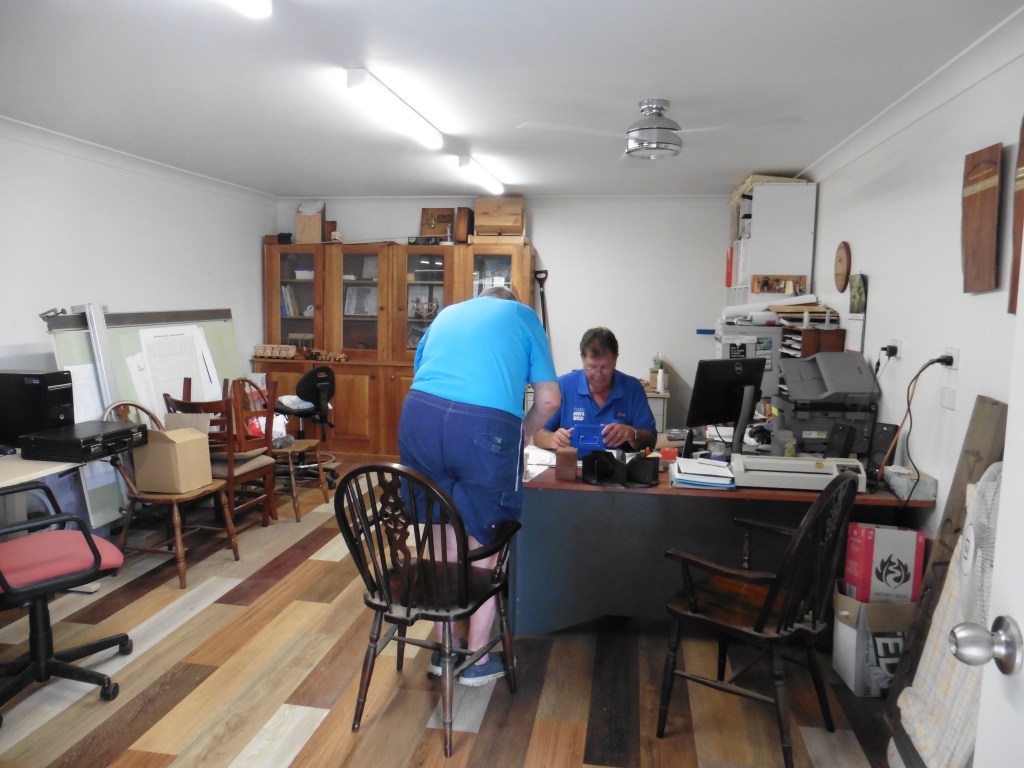
Shed Office and Reception.
Note the Draughtsman’s Drawing Board on the left hand wall.
Painting Workshop with Spray Booth.
Not one, but two Rocking Horses!
Quality work, or what! Something to aspire to.
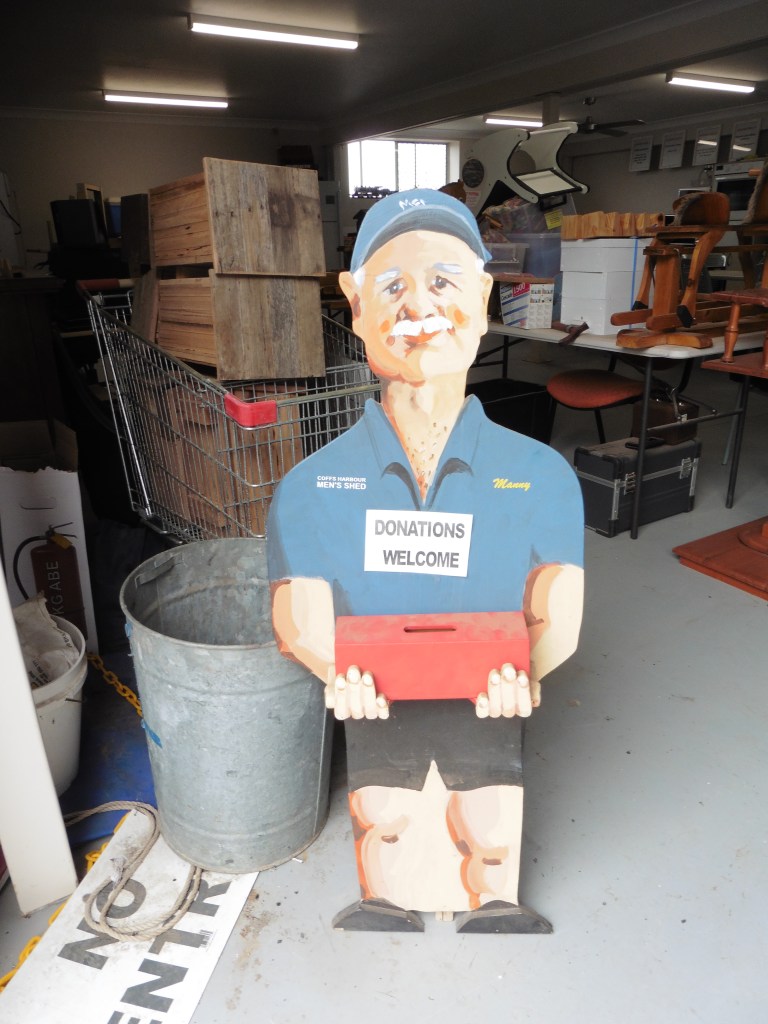
A good way of collecting money?
Yeh? OK?

Shed 4: Bangalow Men’s Shed. New South Wales.

Visit date: Saturday 12th January 2019.

Bangalow is a small rural town inland from the popular beach resort of Byron Bay.

As with all things today, the popularity of resorts such as Byron Bay is unfortunately changing the rural ambience of Bangalow to its detriment by suffering an influx of ‘rich townies’.

The Shed address of Station Street intrigued me as there were no railways shown on the local maps, but on arrival in the town, the road led to the old railway station building.

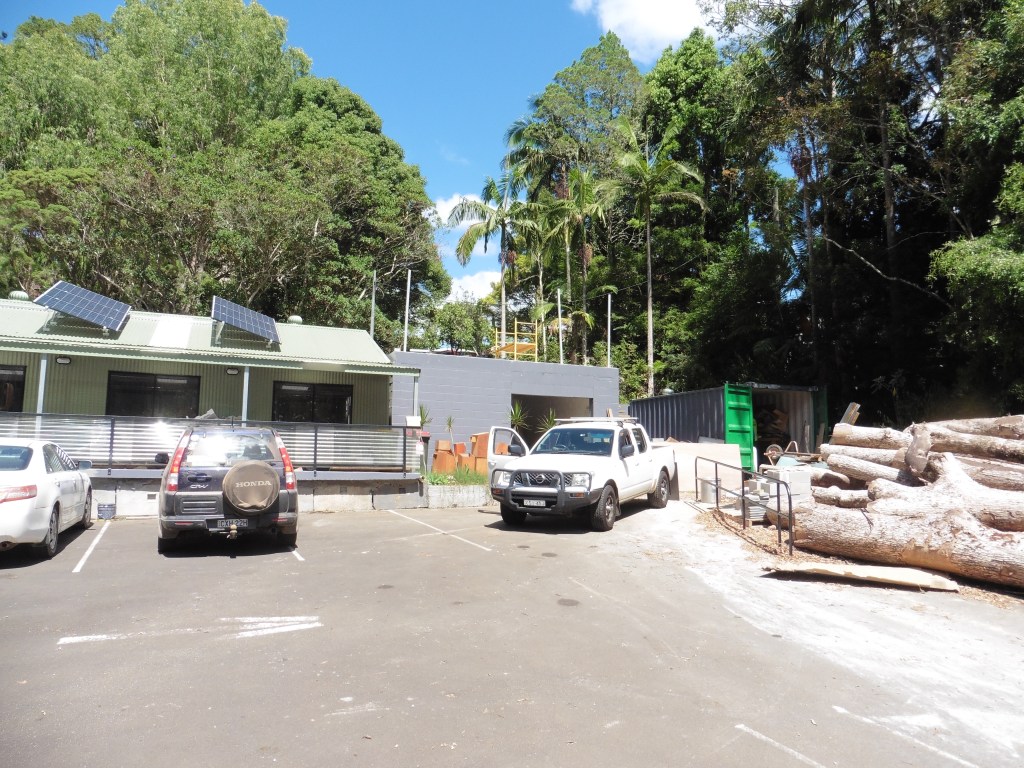
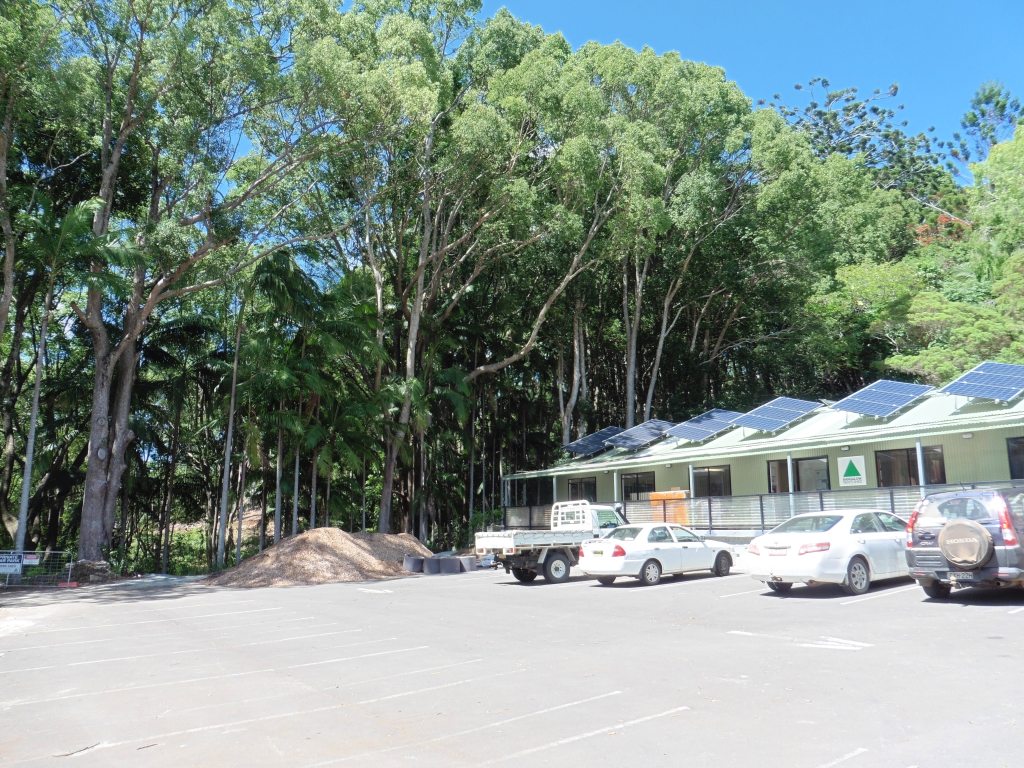
The Shed site sits in a small wooded valley, entry off Station Street leads to a large car park area and the shed buildings.

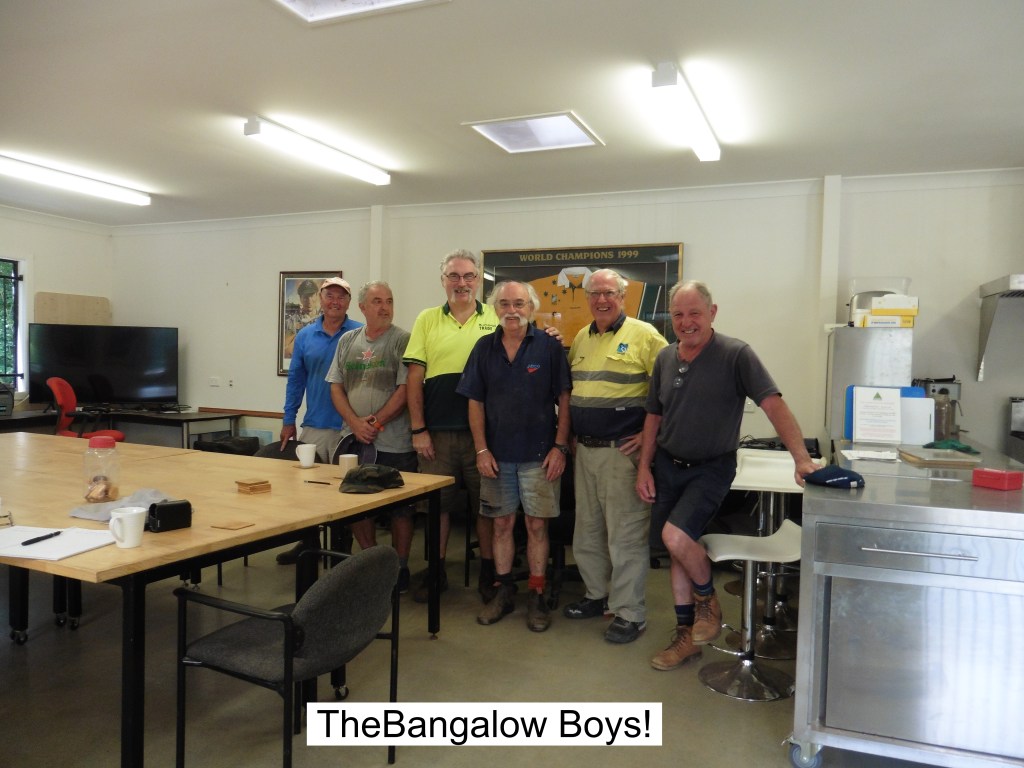
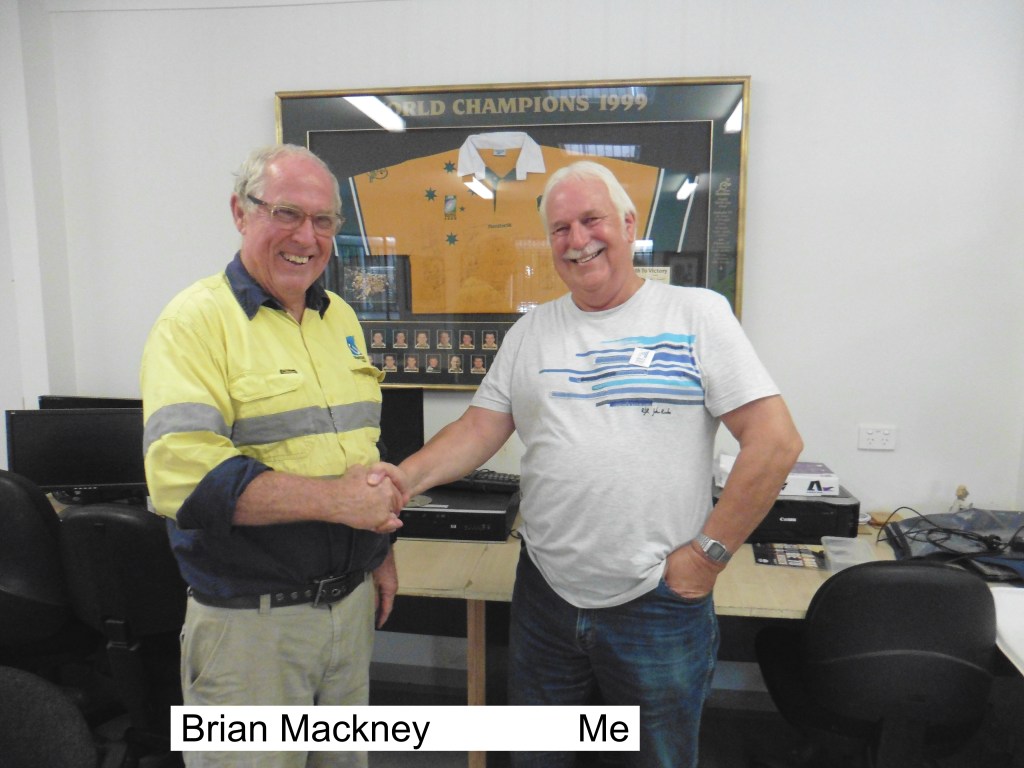
I was greeted warmly by Shed President, Brian Mackney, who then introduced me to the other Shed members.

The Bangalow Shed was initiated by the local Lions Club who negotiated a long-term lease of church land and went on to arrange building approval from the local Council and finance for the construction of the building shell.

They then appointed Brian as Convenor to lead the project.  Being a local Civil Engineer who has run a farm and other businesses his knowledge has proved to be invaluable to the project for sourcing construction materials, and coordinating resources, machinery and funding for the construction of the car park and shed fit out.

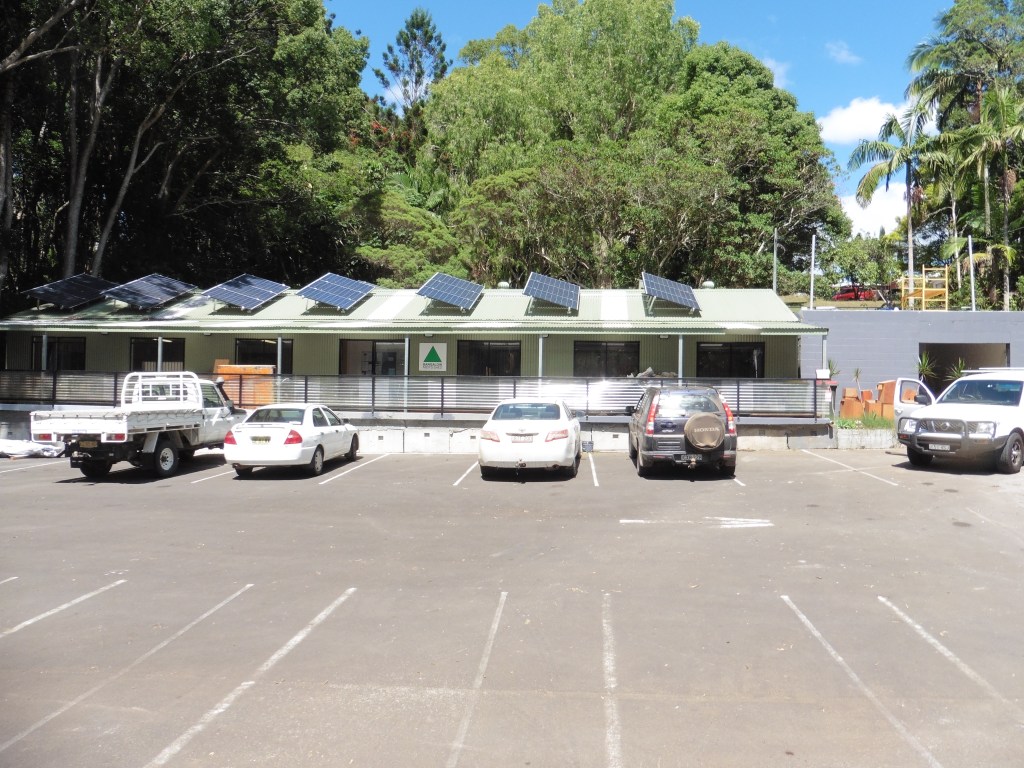
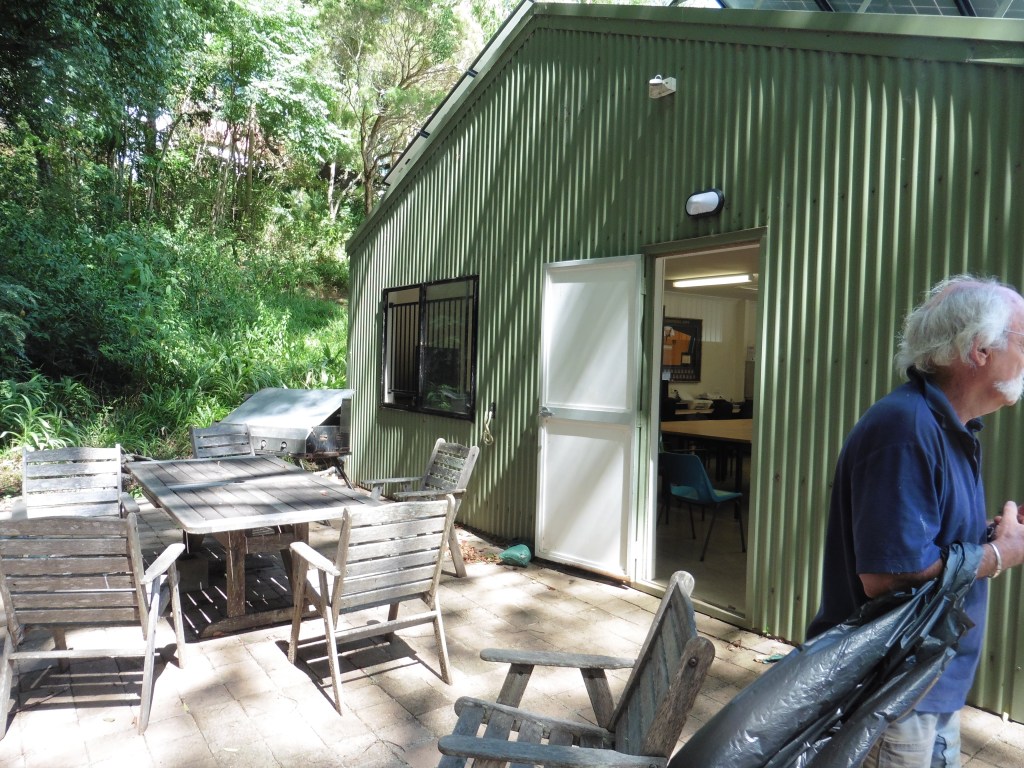
The Shed building is designed to accommodate the use of other local community groups, and includes a large community/meeting room, toilets and changing rooms, an administration room and the two main workshops. An array of solar panels has been fitted onto the roof.  The car park has an area which is intended to be leased to local shopkeepers, and an area for the members.

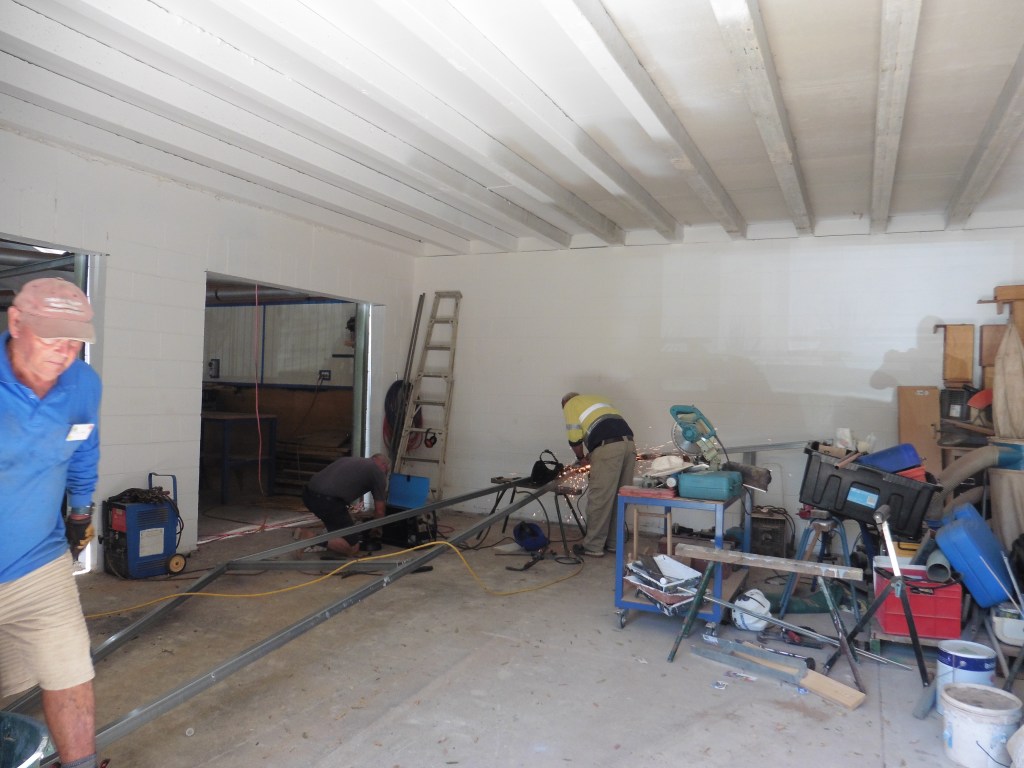
At the time of my visit, Brian told me that the members were consolidating their efforts to finish off a lot of the incomplete fitting out jobs, setting up the metalwork shop, and building a greenhouse on the roof of the metalwork shop. This work includes building a ramp for use by members with mobility issues from the car park to the greenhouse.

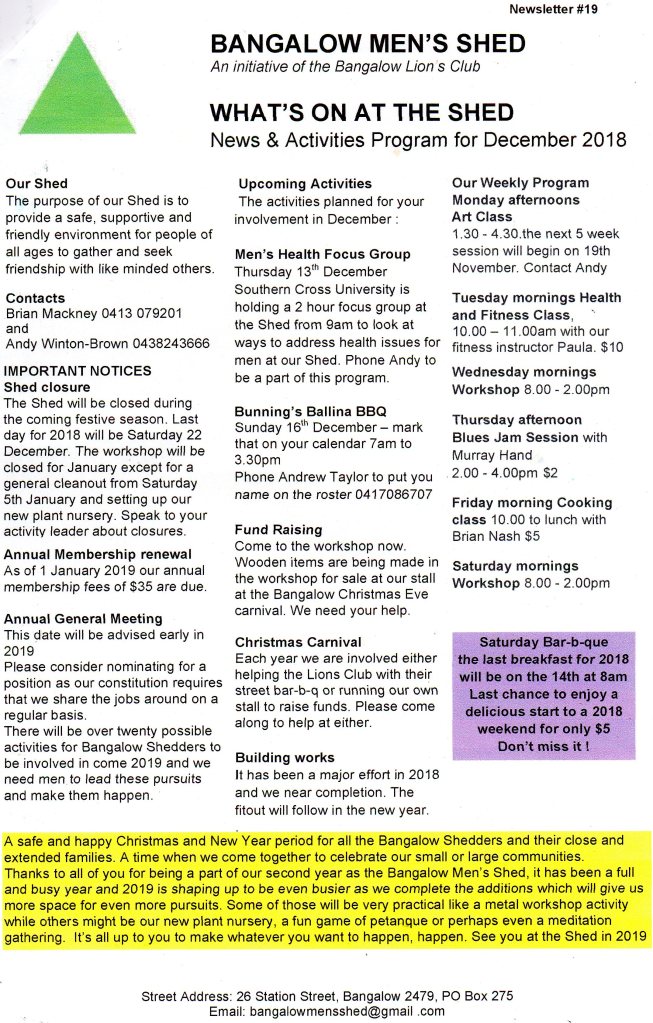
The building has been designed to offer a wide range of activities which include art classes, exercise sessions, table tennis, music jam sessions for the local musicians, and cooking classes, as well as the usual range of woodworking and metalworking activities.  The Shed also works closely with the Lions Club, the local theatrical society and other community groups.

The Shed is continuing to implement and update its Health & Safety and self-accreditation procedures.

Training programs for members are high on the agenda.

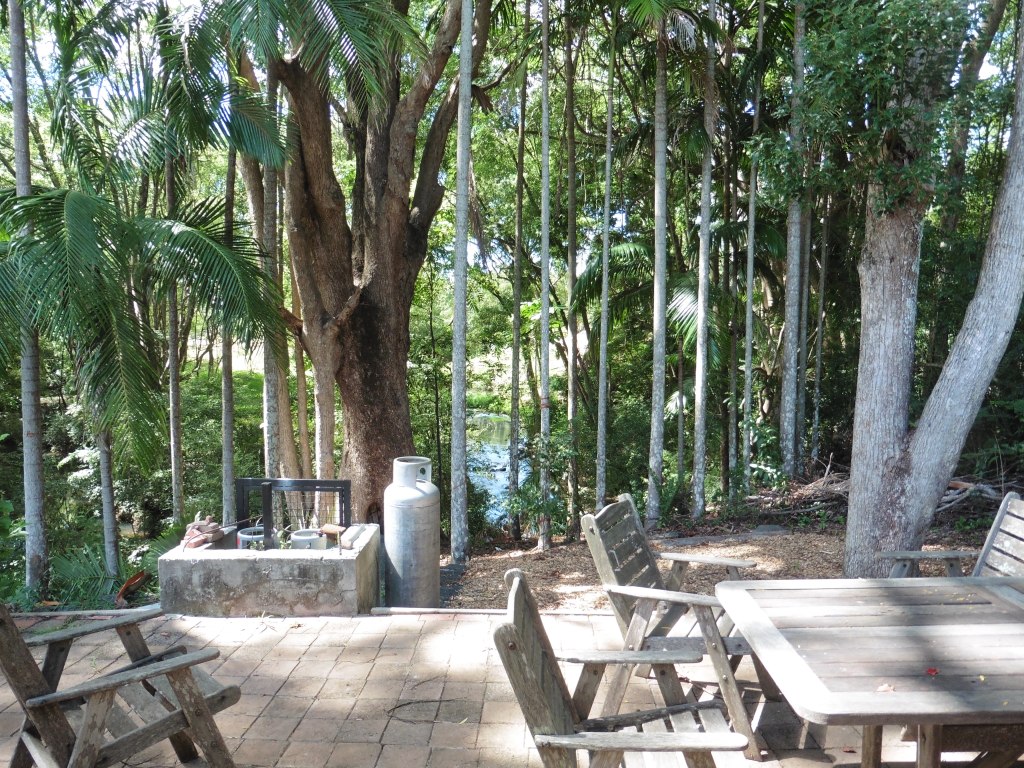
The next project to improve the site for both the general public and Shed members is to open out access to the small stream that runs next to it.  At present, the land through which the stream runs is covered with overgrown species of introduced / exotic weedy species.  The aim is to clear these foreign invaders and replant with native species, with an emphasis on native ‘bush-tucker’ varieties.

As can be seen from the photos, Brian and his team have to be highly commended for what has been achieved!

The Shed has a Facebook page, but acknowledges it is not kept up to date.  It seems few of the members want to get involved there, but a web search of www.byronnews.com.au and Bangalow Mens Shed reveals many interesting news articles related to it.  Well worth a look!

A similar men’s health organisation known as ‘TOMNET’ was recommended to me.  ‘TOMNET’ is an anagram of The Older Men’s Network.

There is a lot of useful information on the website tomnet.org.au   

4: Bangalow Men’s Shed. New South Wales. Photos

Bangalow Men’s Shed. Note the solar panels on the roof, and the upstairs greenhouse being erected on the roof of the new Metalwork Shop.
A view to the left showing the length of the building and the reclaimed area by the stream.
Open seating and Mess area by the stream.
Wood working Shop looking towards the Welding / Fabrication Shop.
Metalwork and Turning Shop. Door leads to amenity areas.
Welding / Fabrication Shop.
Notice Board and Rack with colour coded name badges.
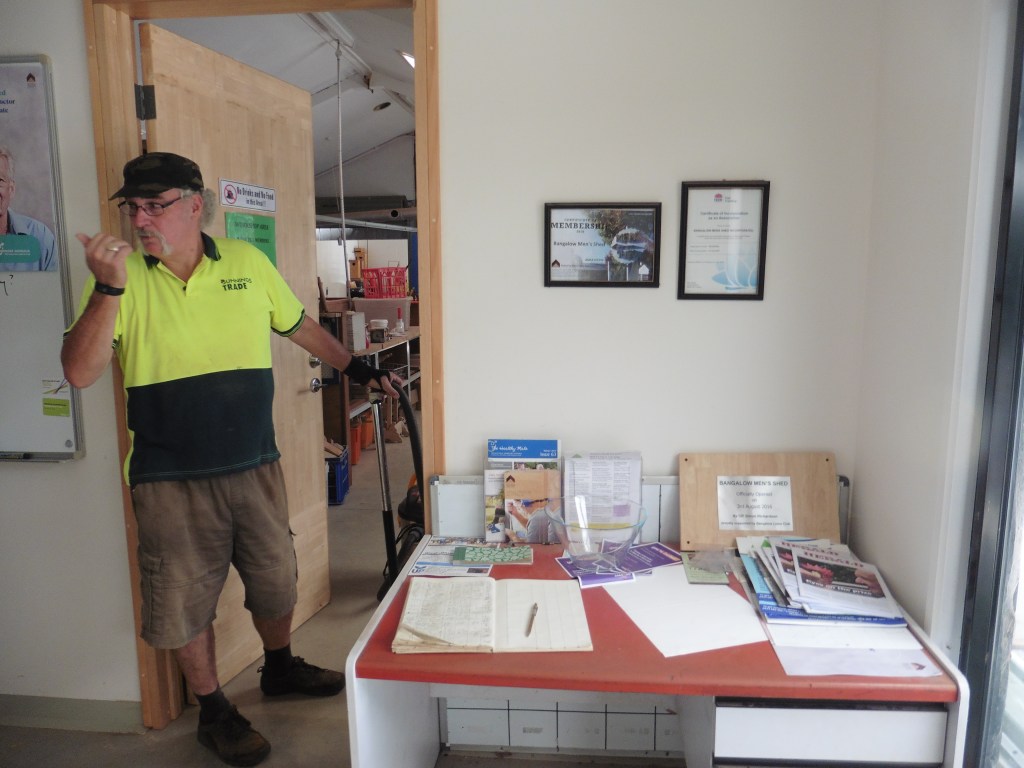
Signing On desk in Reception.
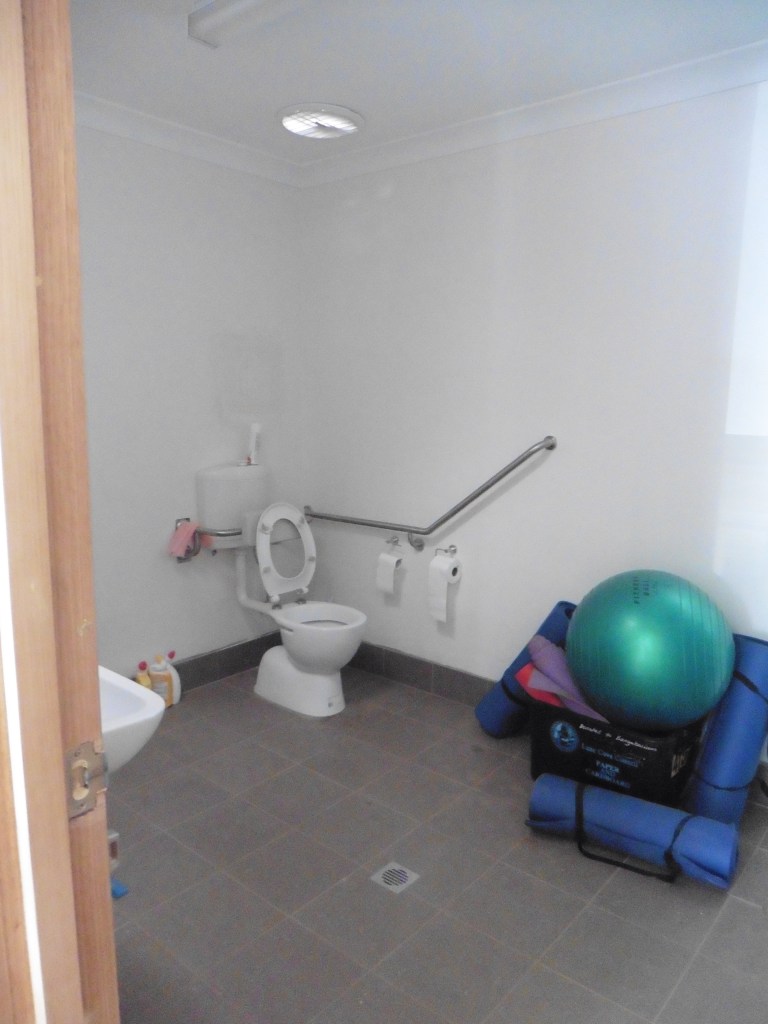
The Shed has been designed to act as a community centre for the town, and can accept people with impaired mobility.
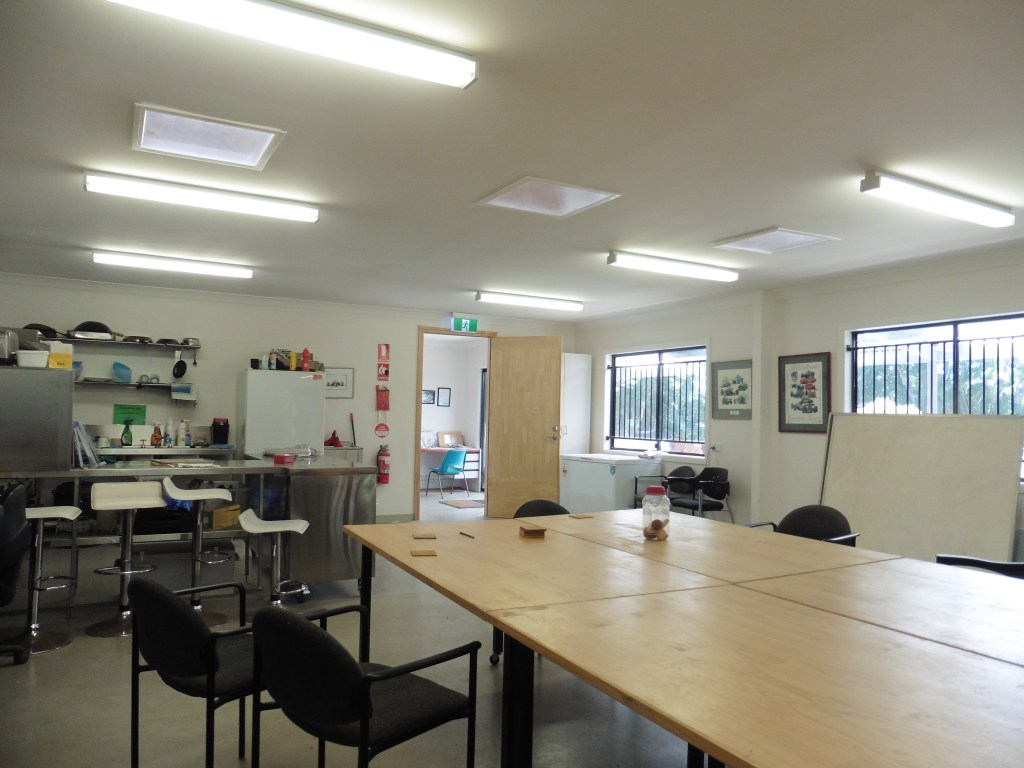
The Community Conference and Shed Meeting Room

Shed 5: Labrador Men’s Shed. Gold Coast. Queensland.

Visit date:  Thursday 17th January 2019.

The website for this Men’s Shed is amazing! 

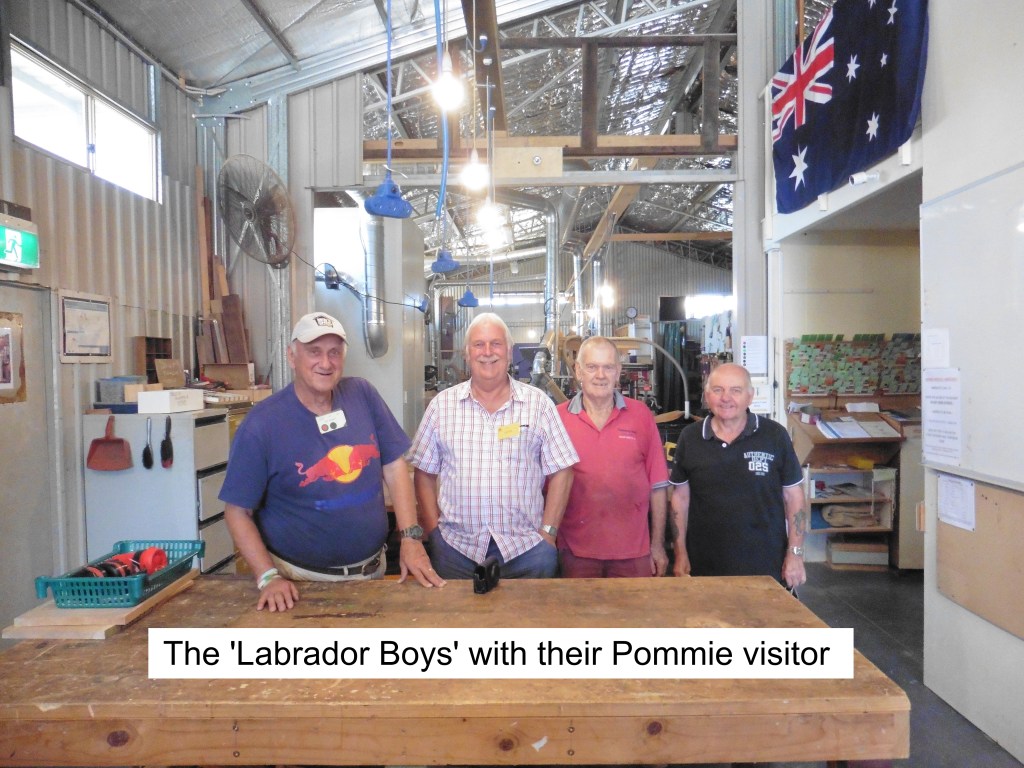
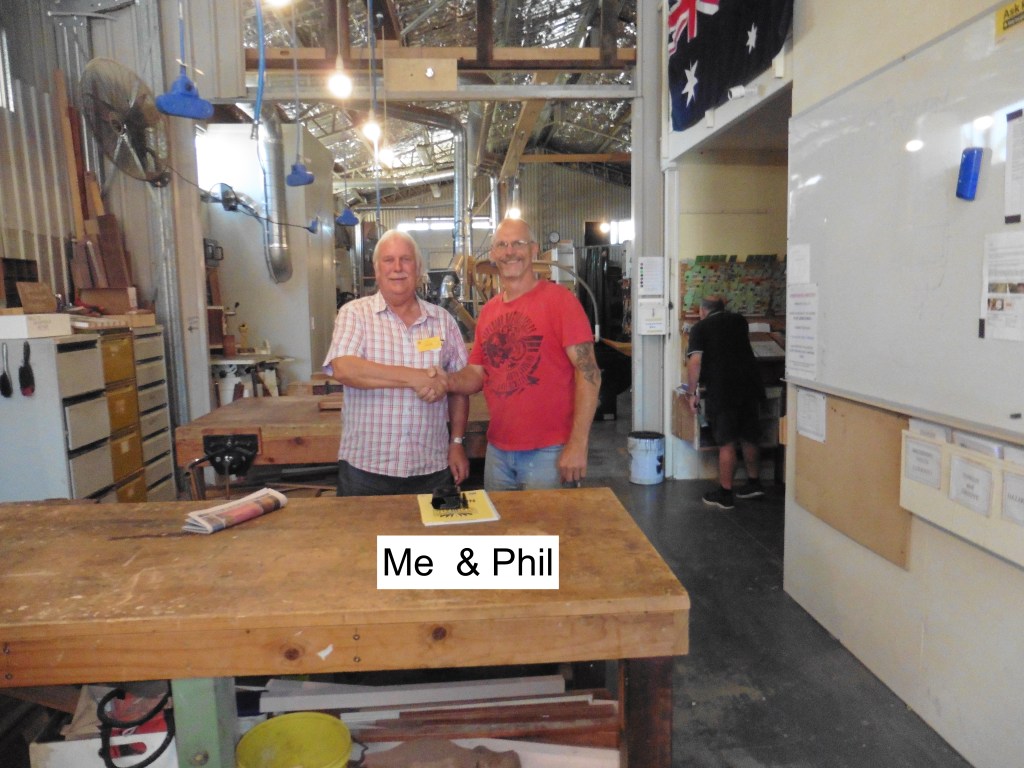
Whoever put it together and manages it has to be applauded.  I will not go into detail, but just pick out snippets from the site to whet your appetite to read more. I arranged my visit with Len Thompson (Secretary), but on the day of my visit he was unfortunately on Shed business to secure further supplies of exotic hardwoods donated by a Luxury Yacht Shipyard.  However, the lads made me welcome, and my host Phil gave me the guided tour.

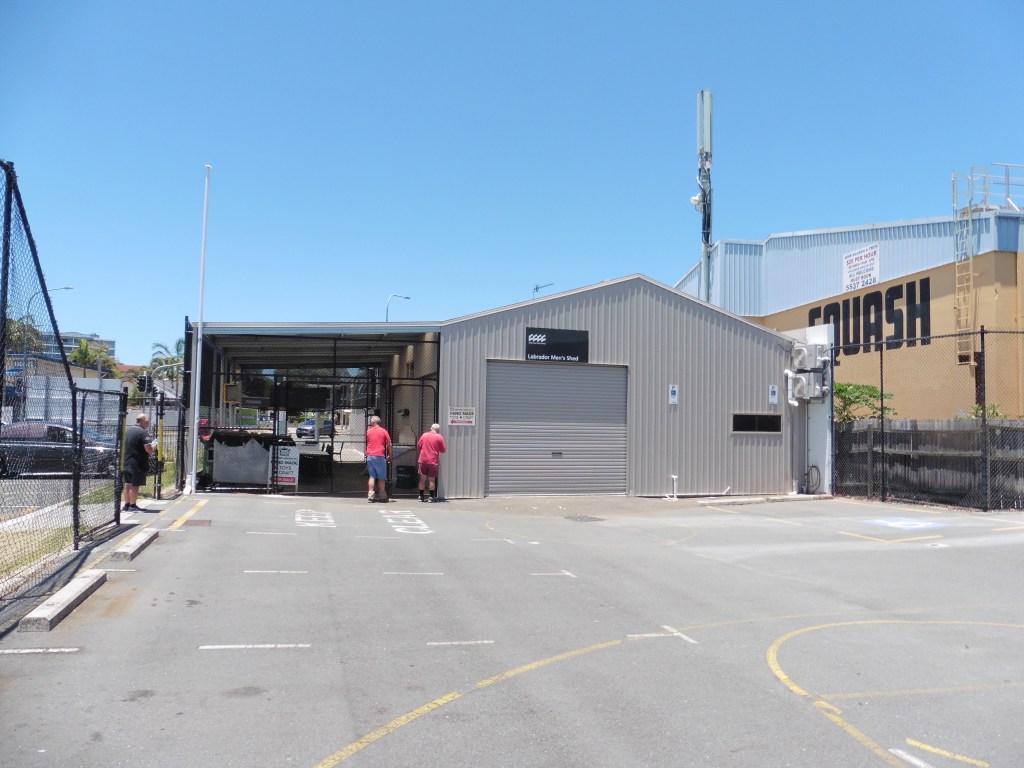
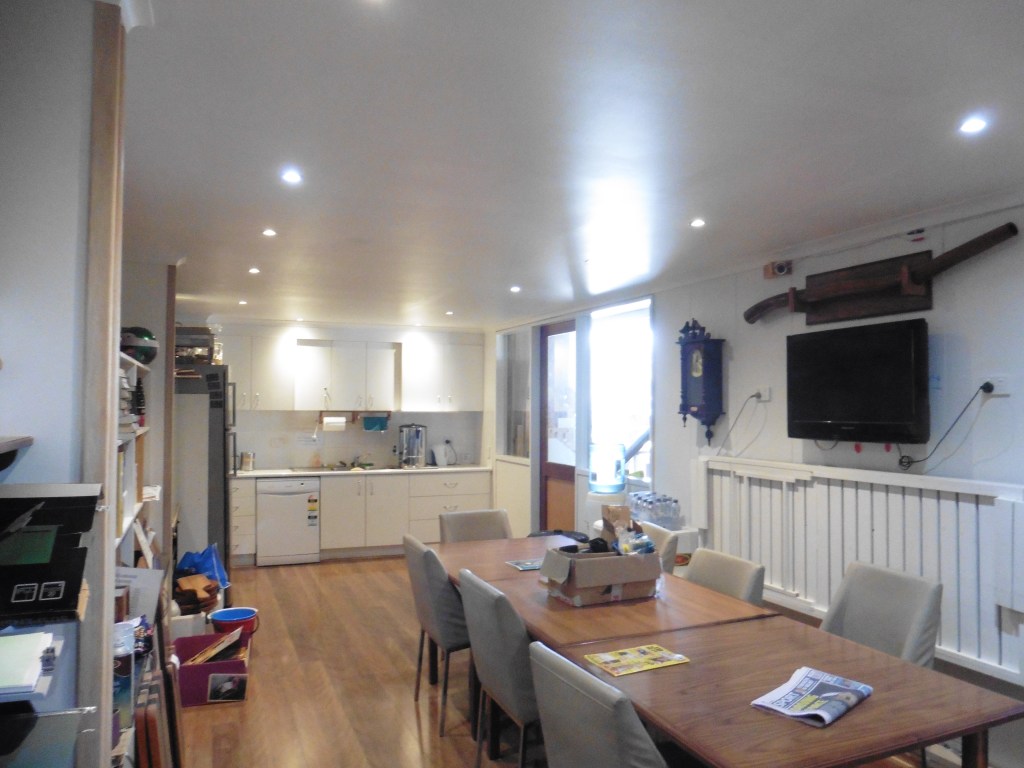
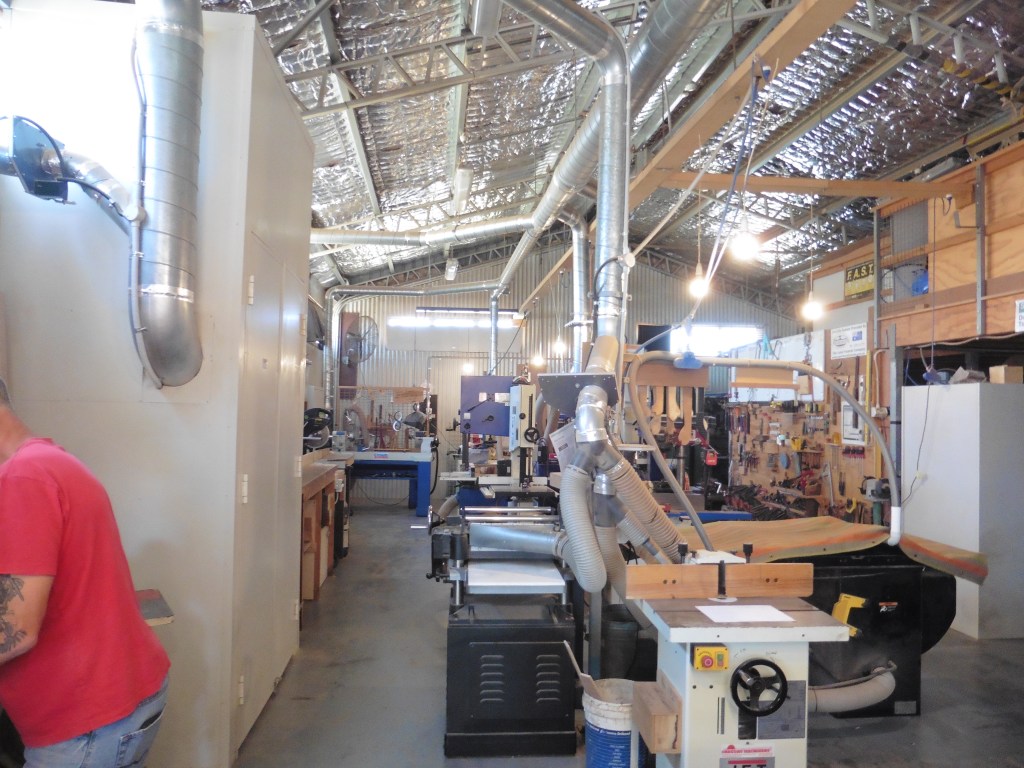
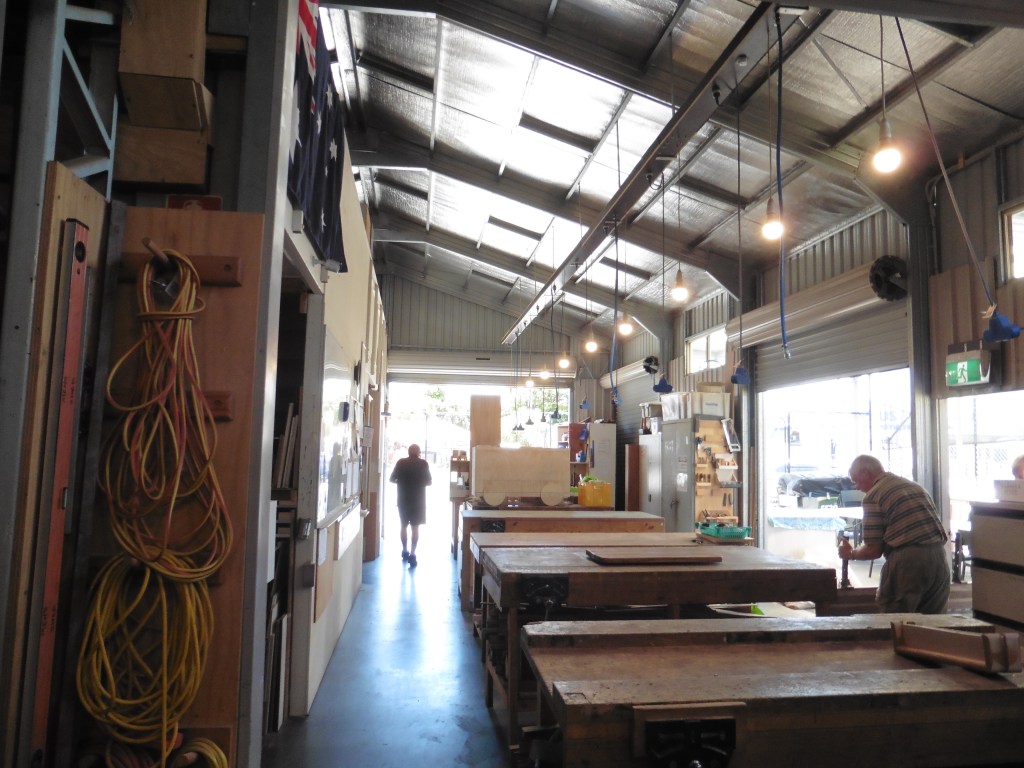
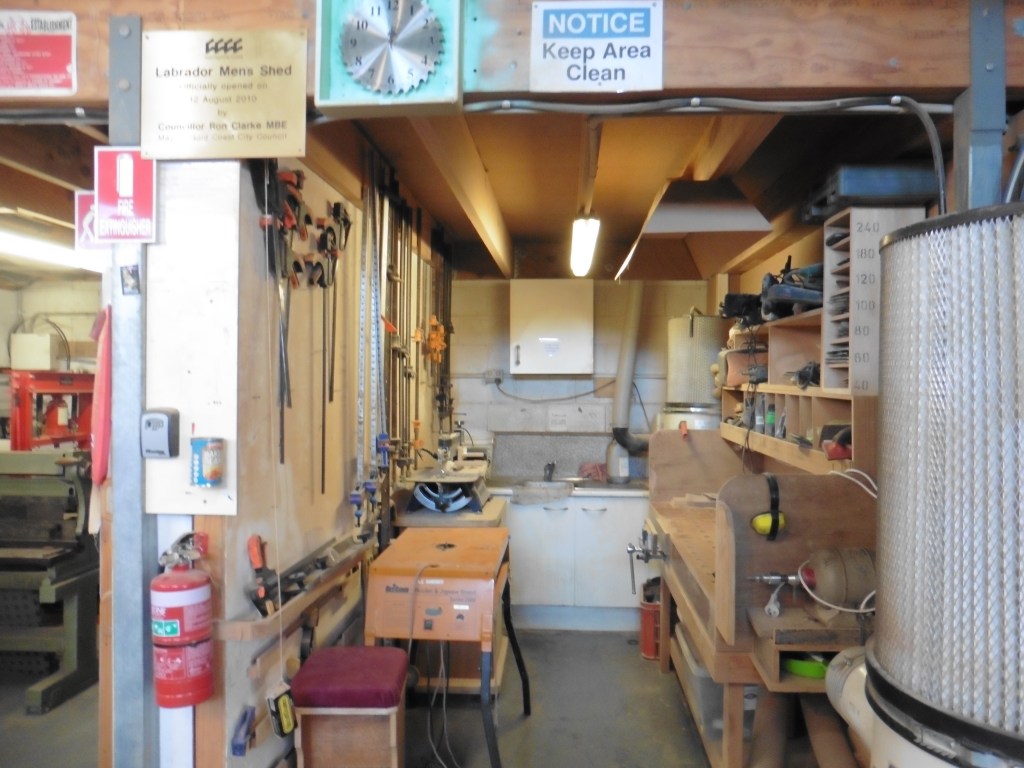
The Shed forms part of a Community ‘Hub’ Complex. The Shed is a medium sized industrial building measuring 28m x 9m (Floor area = 252m2 plus a large lean-to structure which is used for tea breaks, and work which needs to be done outside.  The building is made up of two halves.  The first was provided by the Gold Coast City Council and the second half was added by the members funded by grants from the Federal Government Member and the Council. The building itself is split into woodworking and metalworking shops fitted with dust and fume extraction equipment, the usual office and toilets. A mezzanine floor above the ground floor rooms is used for additional storage space.

The Shed was officially opened on Thursday 12th August 2010 by the Gold Coast Mayor, Ron Clarke MBE.  Set up as a ‘not for profit’ voluntary organisation. The Shed initially operated under the auspices of the Benevolent Society, which is Australia’s oldest charitable organisation, being established in 1813. This was done in order to obtain a lease from the Council for the building however, the Committee were able to show, after 12 months that the Men’s Shed was a sustainable organisation and the ‘auspice’ arrangement ended allowing the Shed to operate as an independent entity.

The Queensland State Government has yet to embrace the Men’s Sheds to the extent of other States in terms of regular funding however, there are many grants available to assist with funds as they are required.  Men’s Shed Labrador has, over time, gotten itself into a healthy financial position such that the need to seek funding is greatly reduced. 

Health & Safety requirements are high on the Committee’s agenda. Whilst the use of eye protection and dust masks is highly recommended, the wearing of closed shoes is compulsory. 

Labrador has a very strict assessment procedure for all members.  Every new member is fully assessed on the use of power tools and each piece of machinery.  Each member is re-assessed every two years so that consideration can be given to the fact that ageing does affect a person’s motor skills, as well as other issues associated with ageing.

Membership stands at approx 150, of which approx 25 different members attend on different days. It does get crowded, but the outside lean-to space helps alleviate the problem.

I will let the website tell you more about the community projects the lads have been involved with, but interestingly here they make Possum Boxes!

The annual Membership fee is AU$60.  The tea fund is charged at AU$1 per visit.

If a member wishes to use materials from the store for personal projects then a minimum donation of AU$2 is asked for. For more information: www.mensshedlabrador.org.au  The ‘Tongue and Groove’ monthly Newsletter is worth a read too.

5: Labrador Men’s Shed. Gold Coast. Queensland. Photos

Labrador Men’s Shed. Note roller shutter door to main building.
Mess and Office area.
Main wood working shop. Note the ducting for sawdust extraction.
View of the setting out and assembly workshop area.
The Metalwork Shop with the welding bay at the rear.
The welding bay and workshop.
Plenty of working space in front of and around machines.
Racks containing the colour coded name badges.
Sign showing the relevance of the colour coded competence assessment to use machines.
Design a site like this with WordPress.com
Get started