Shed 6: Airlie Beach Men’s Shed. Queensland.

Visit date: Tuesday 22nd January 2019.

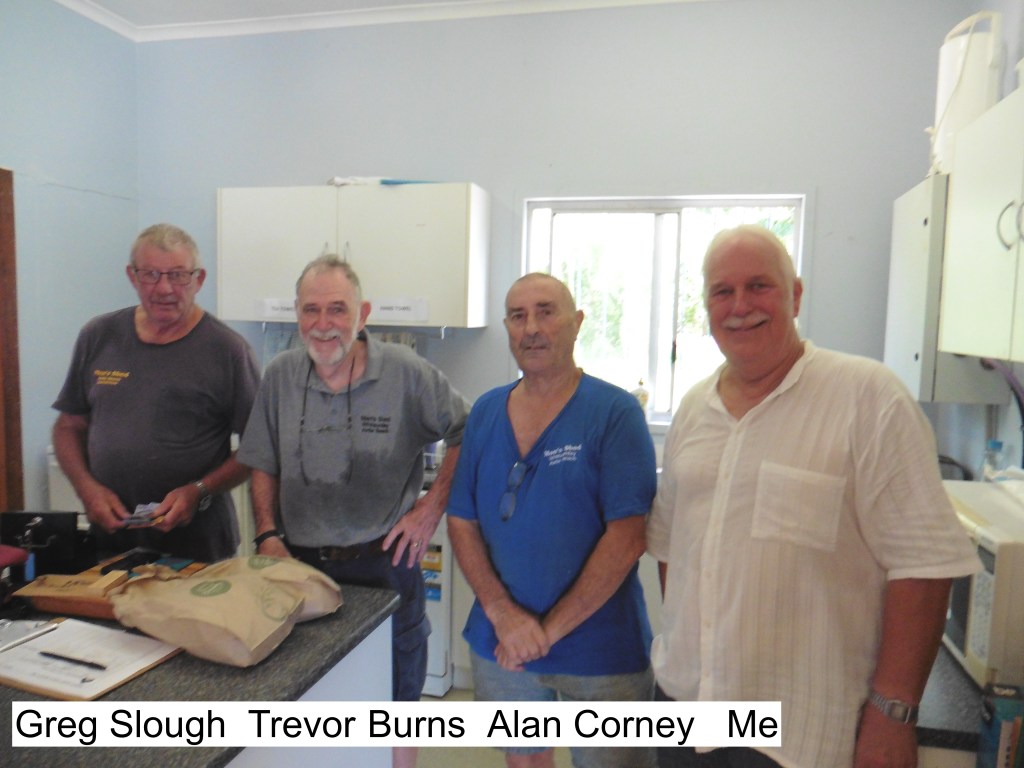
This Shed does not have a website, but the AMSA one does. So, I phoned Alan Corney (Secretary) who told me that the shed had recently taken occupation of new premises about half an hour’s walk along the coast from where we were staying in Airlie Beach.  He told me that the building was on land just off the beach, and that if I walked past the ‘Fat Frog Beach Cafe’, I would have gone too far.

So, off I went, and sure enough, after a nice half hour stroll along the coastal path I eventually found the Shed.

When I arrived, the boys were having the customary cup of tea, Alan welcomed me, and I introduced myself and told them of the reason for my visit.

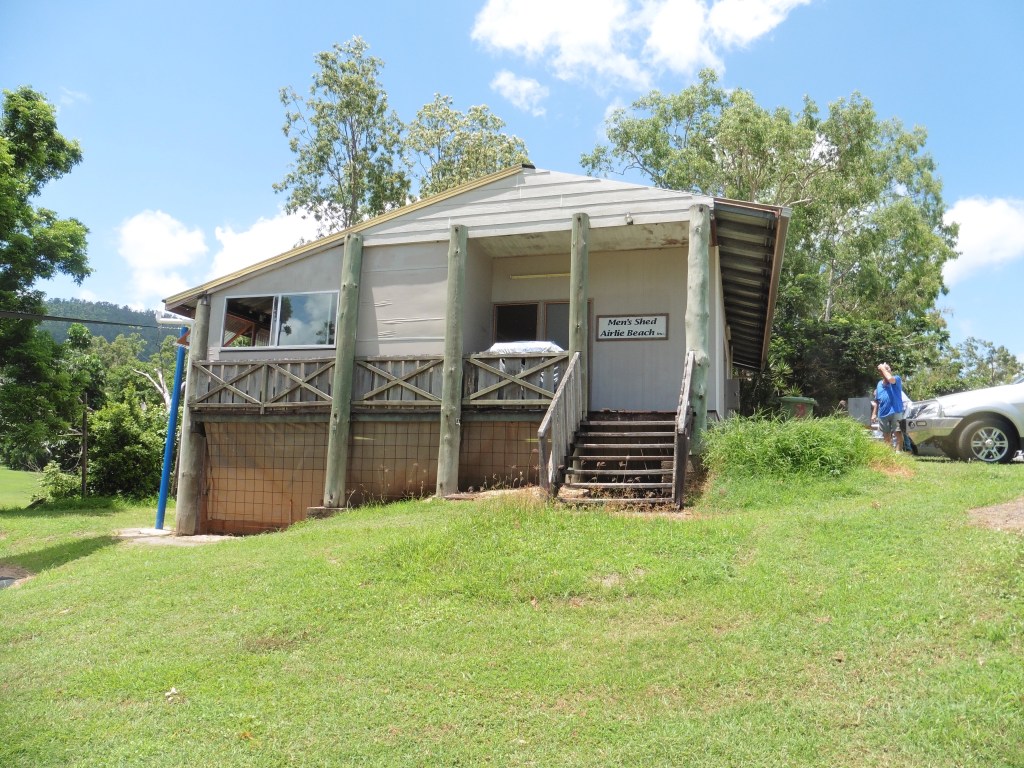
The building was an old Scout Hut with an open veranda, which had lain empty for a great number of years.  The Committee had known of it for some time, but started lobbying for it over three years ago,  when its use was finally granted and occupation started in November 2018.  The Shed was founded in 2016 in Airlie Beach, but the original premises there soon became unsuitable.

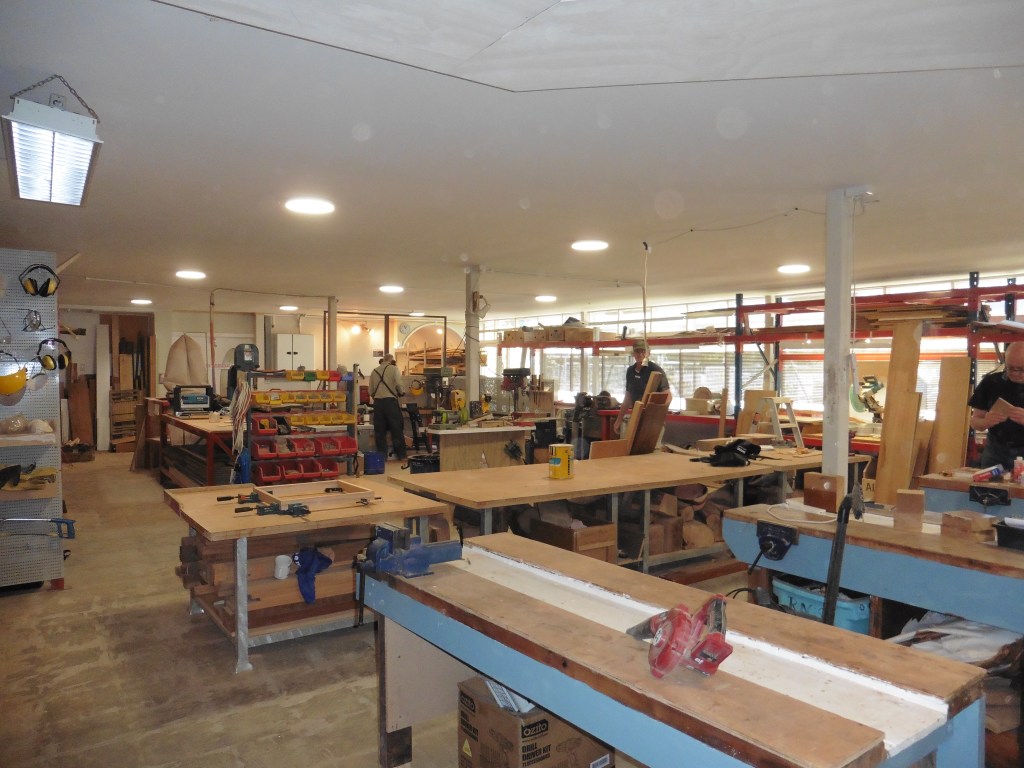
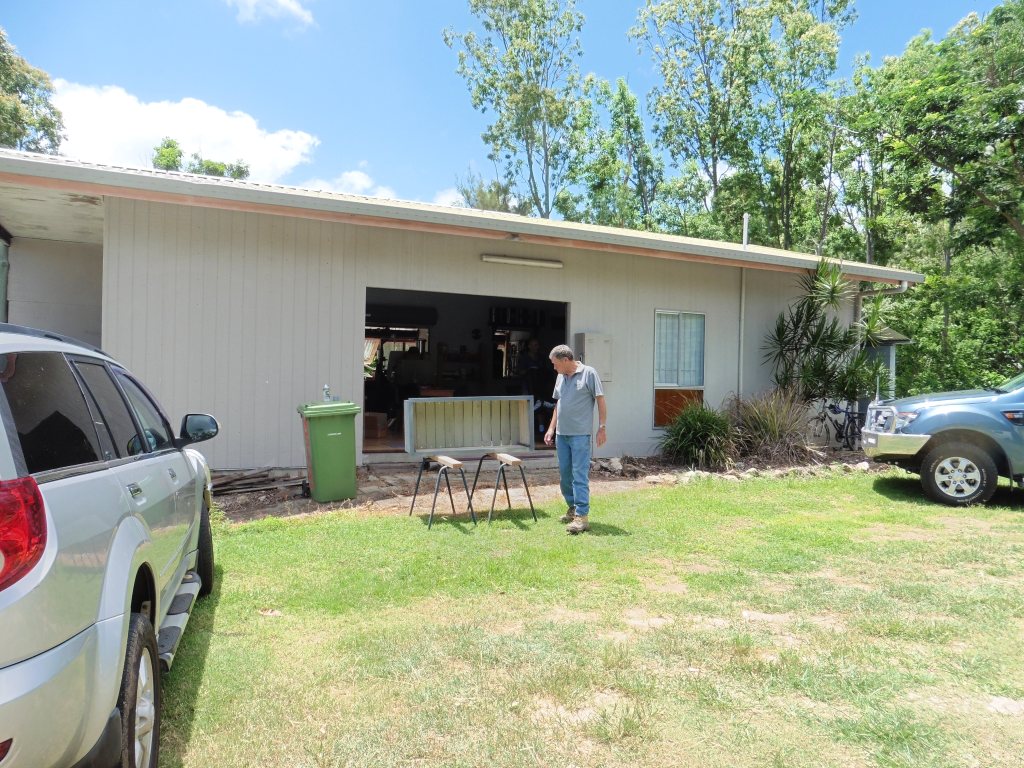
The building sits on a high bank next to a stream and a children’s playground.  It measures 16m x 8m, with a basement area of 10m x 8m, giving an approximate work area of 130 m2, which as can be seen in the photos is predominantly used for wood working.  There is space available for metalwork and welding. 

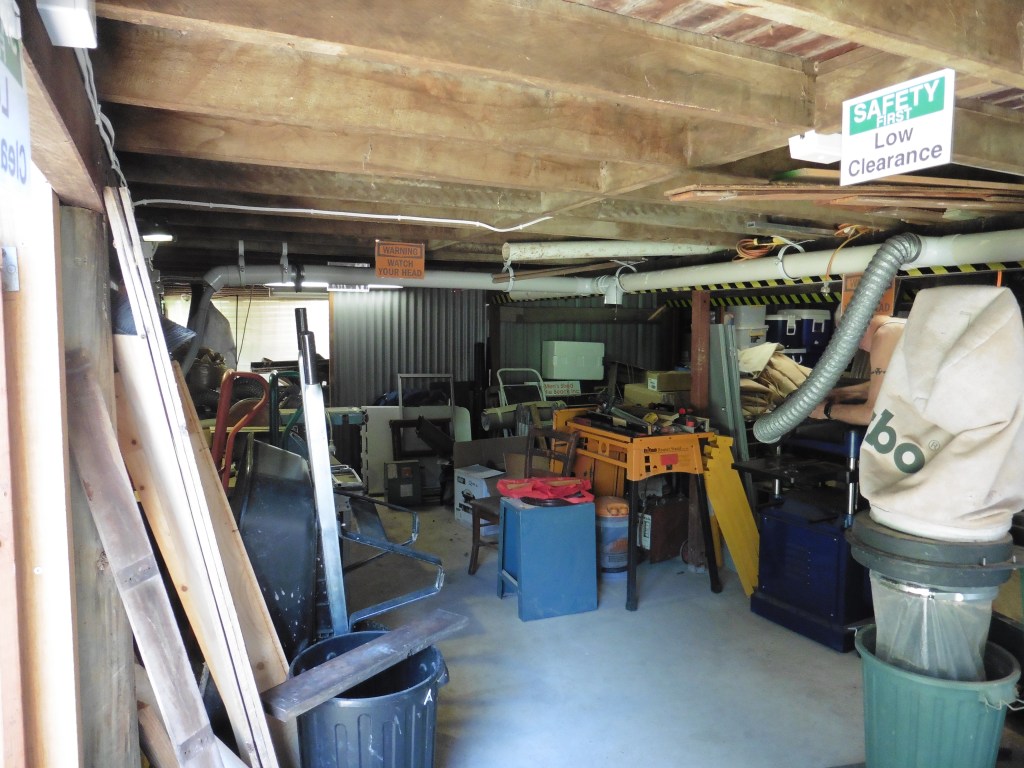
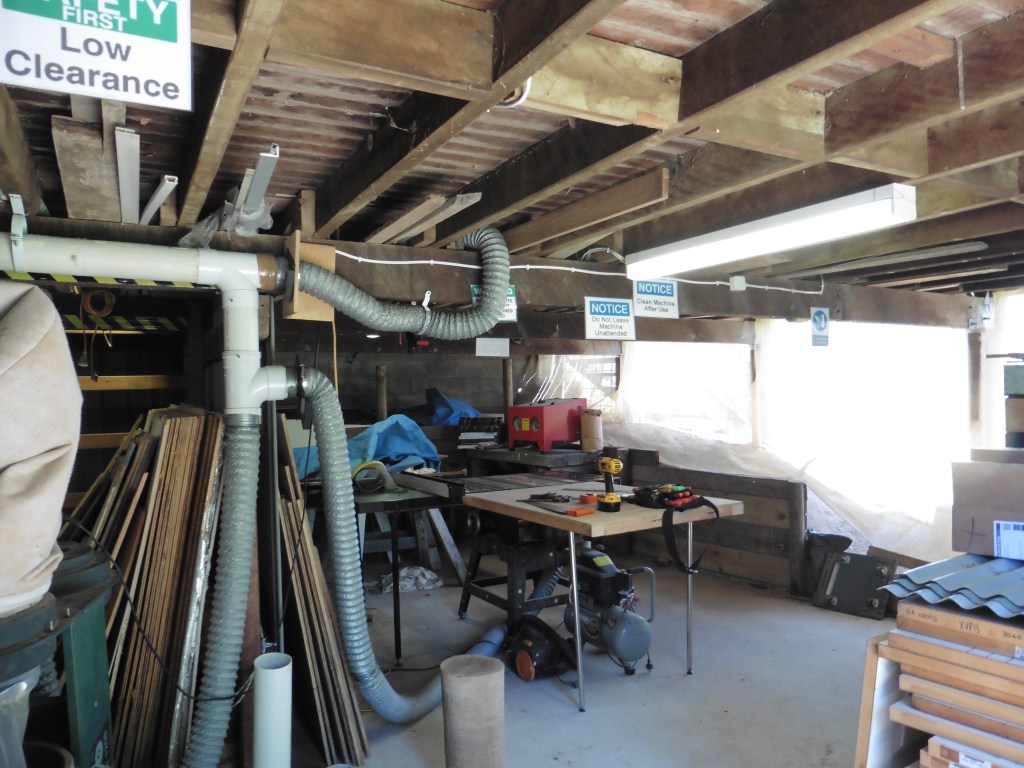
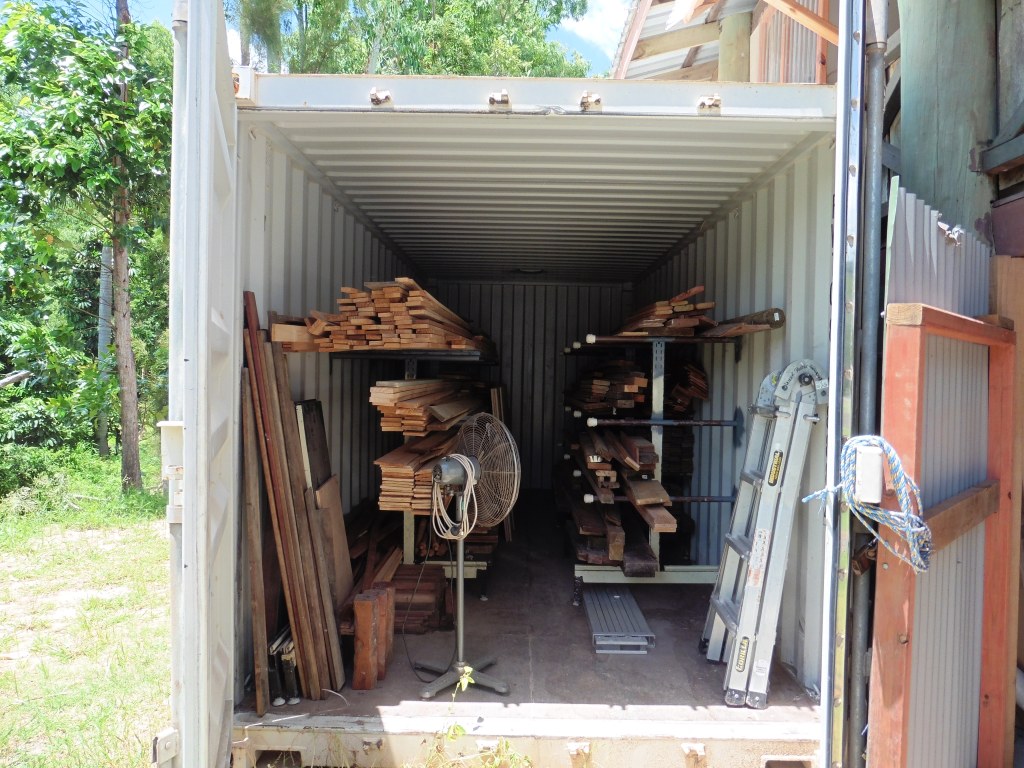
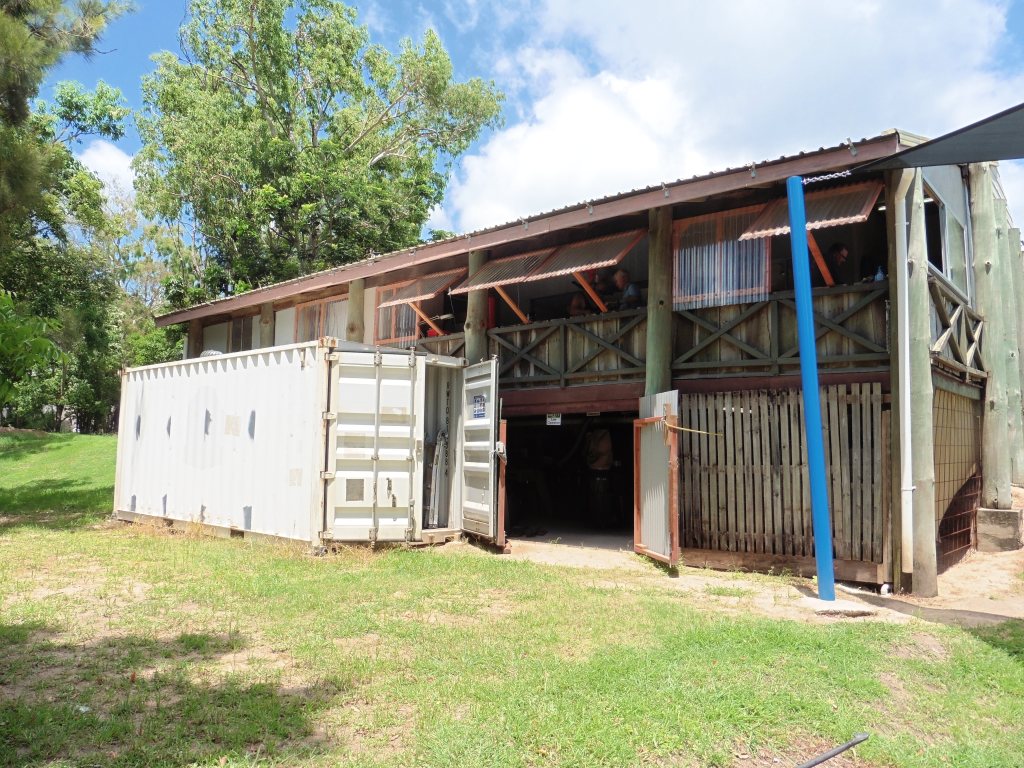
The lads have enclosed the veranda, and excavated additional floor space in the basement, both areas of which are used as workshop areas and storage.  A large container is also used for storage.

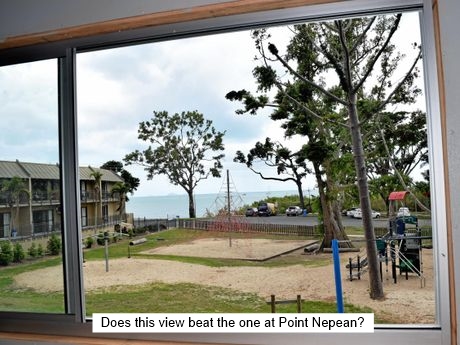
The view from the side entrance of the building looks across the playground, and the coast road to the sea.

Funding and sponsorship relies primarily on money raised from community projects, and the sale of toys, shelter and nesting boxes for Possums, birds and Sugar Gliders.

The lads are sponsored by the DIY company, Bunnings, and do about six ‘Sausage Sizzlers’ a year which earns the Shed about AU$4000 profit.

Public Liability Insurance is arranged through the Australian Men’s Sheds Association at favourable rates.

I was told that Federal Funding is available but limited. This capital is managed by the AMSA and the allocation of funding is based on submitted Projects.

Membership stands at 29 who pay a membership fee of AU$25 per annum and a weekly attendance fee of AU$5 for tea and coffee.

For more information: The Shed has a Facebook page, and local media websites.
6: Airlie Beach Men’s Shed. Queensland. Photos

Airley Beach Men’s Shed. The old Boy Scout’s Hut.
Side view of building showing the length.
Entrance to the working space under the Shed and storage container. Note, the enclosed old veranda.
Underneath workshop, showing the sawdust extraction ducting and equipment.
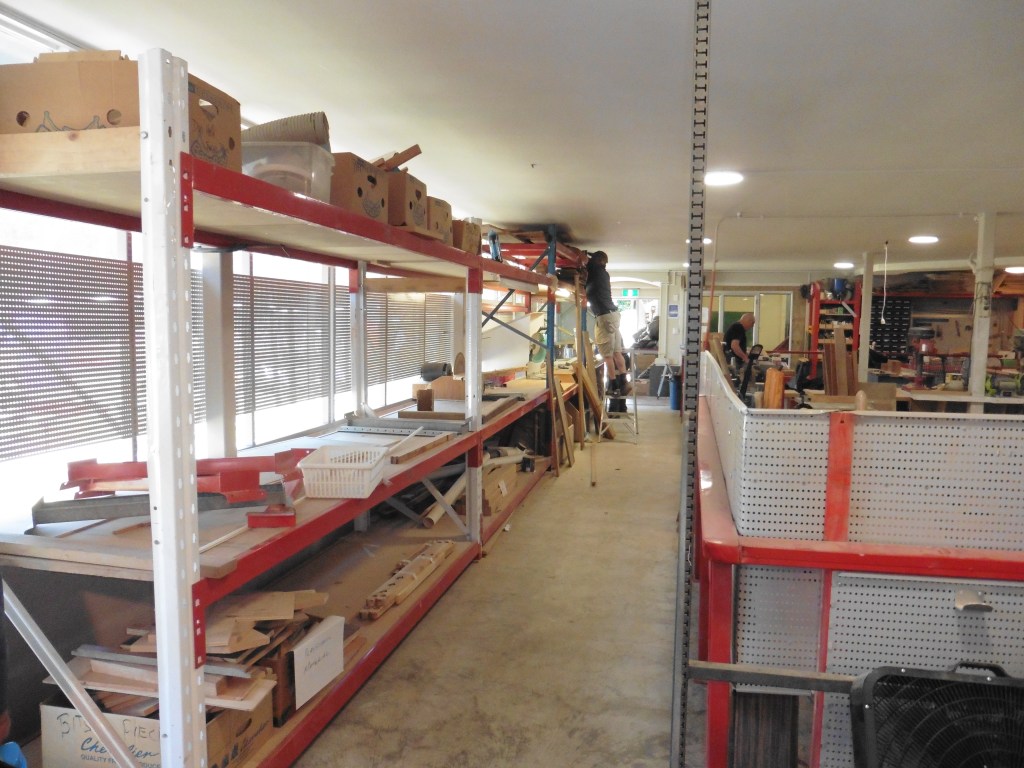
Dry storage for timber.
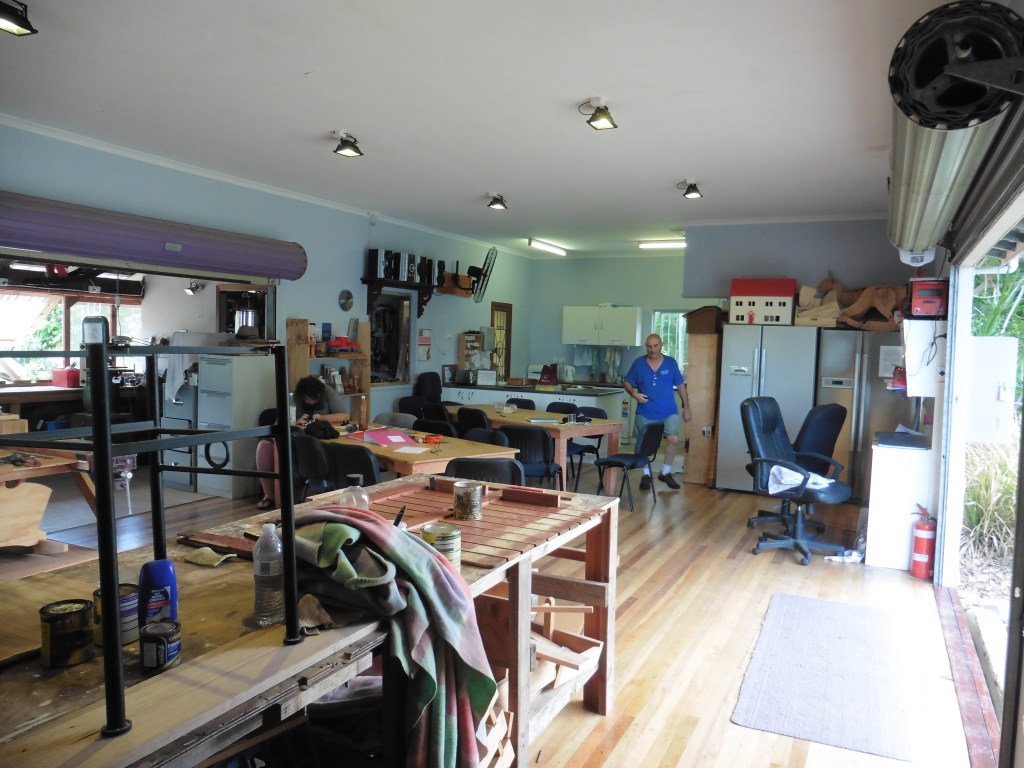
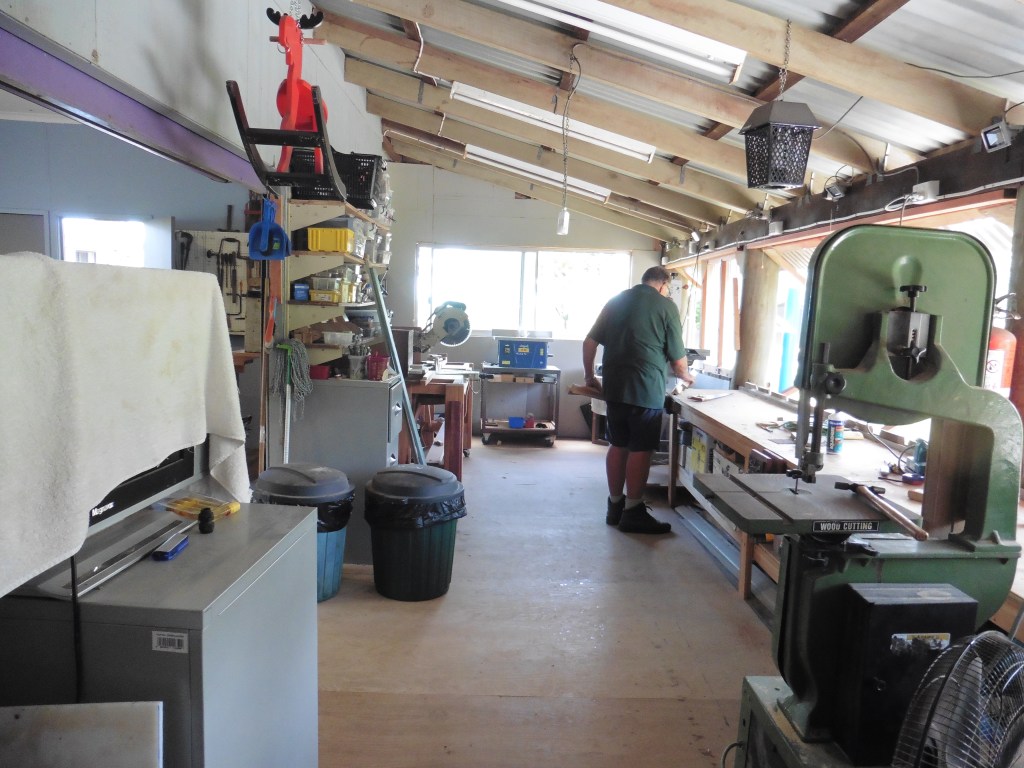
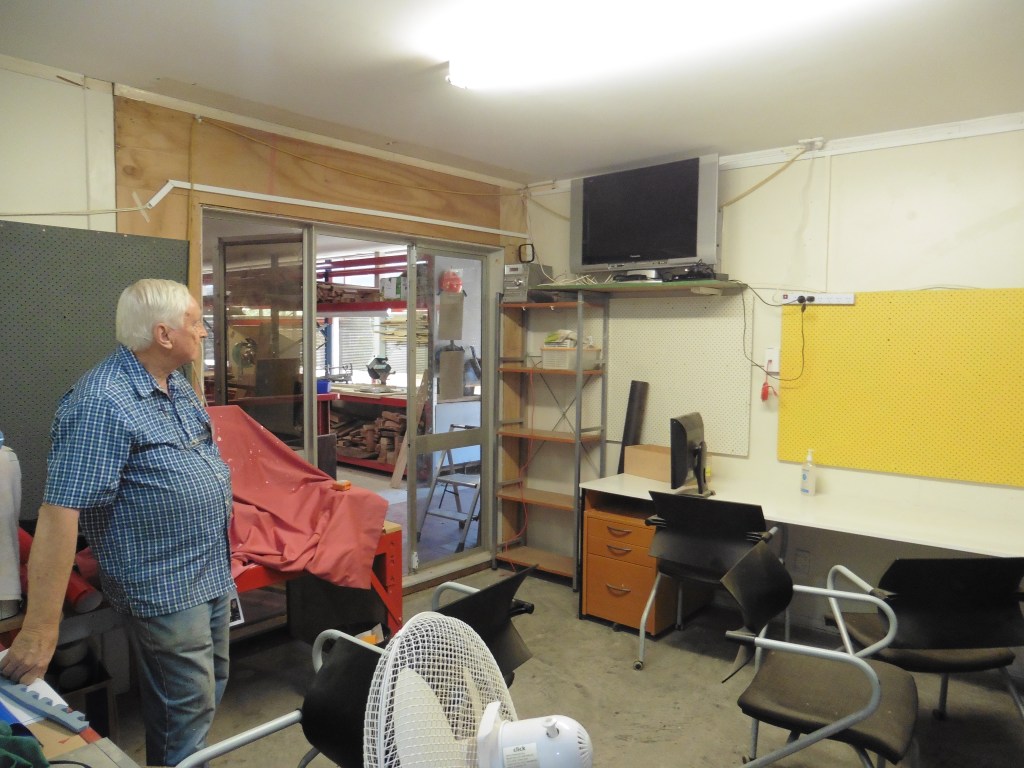
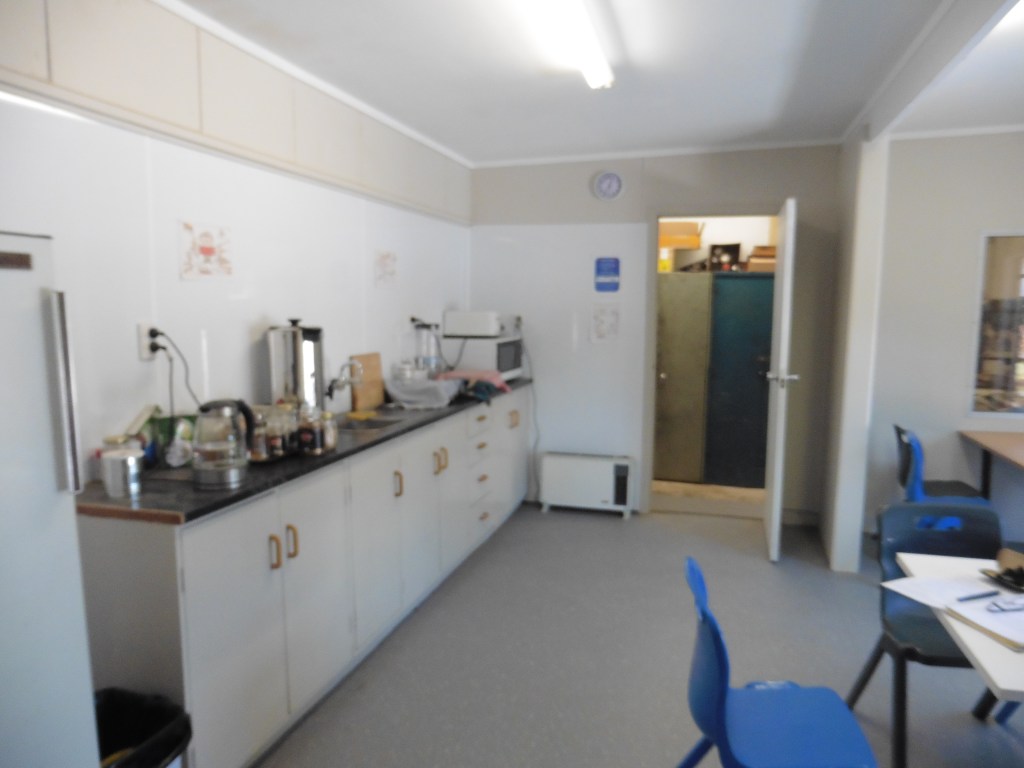
Upper workshop and Mess area.
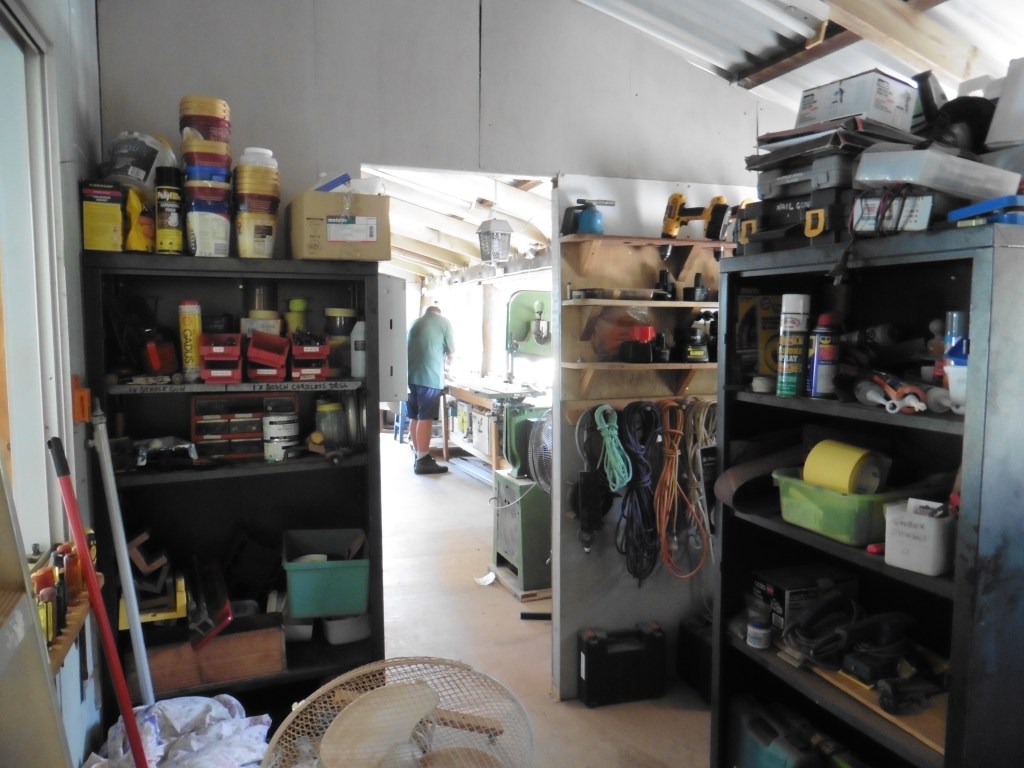
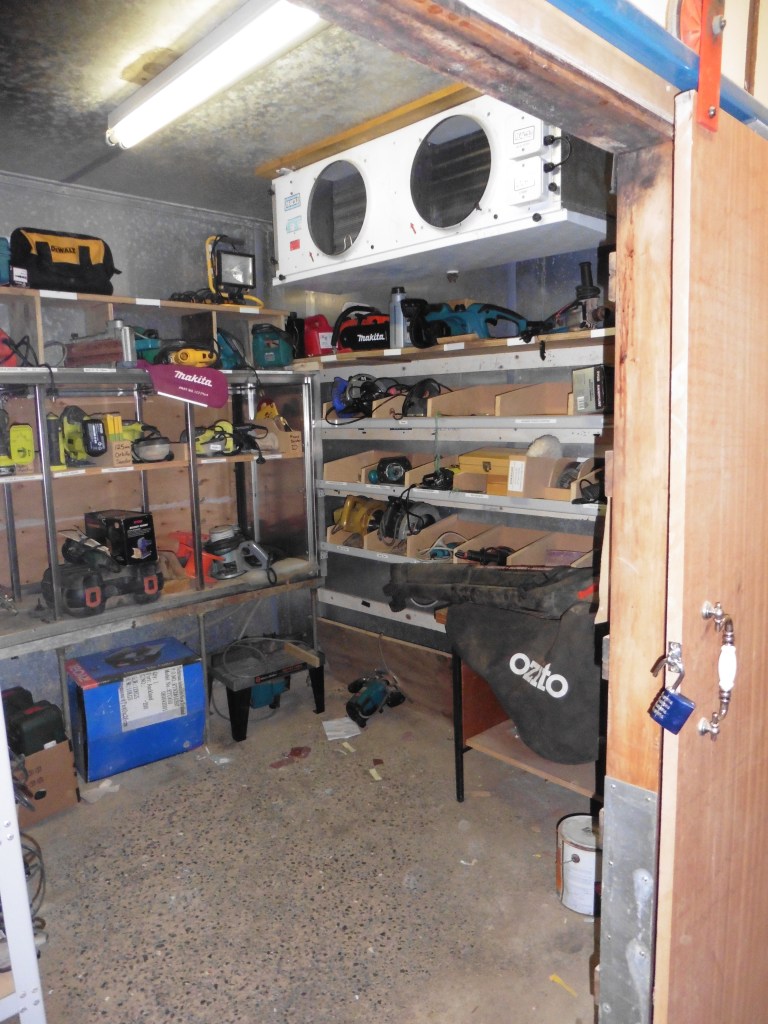
Store Room
Workshop created on the old veranda
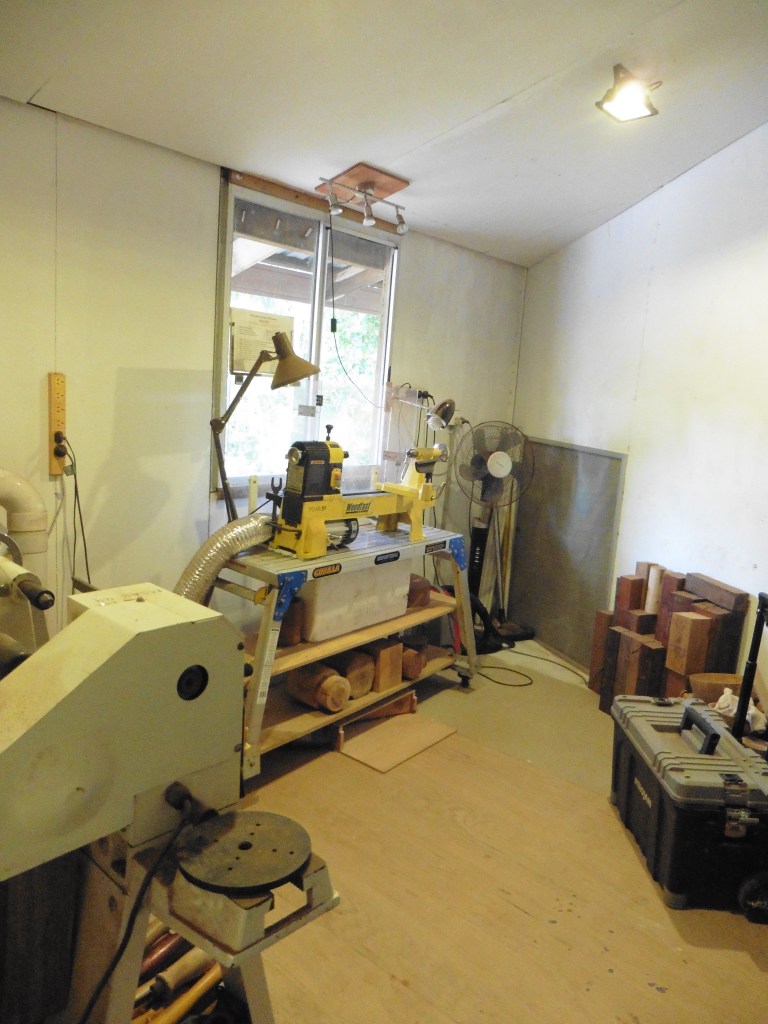
Wood Turning Lathes in separate workshop.

Shed 7: Timaru Menzshed. South Island. New Zealand.

Visit date: Tuesday 5th February 2019.

Timaru is a small town which Ann and I were to pass through on our way from Christchurch to Dunedin.  So, I looked at the NZ MENZSHED website and arranged my visit.

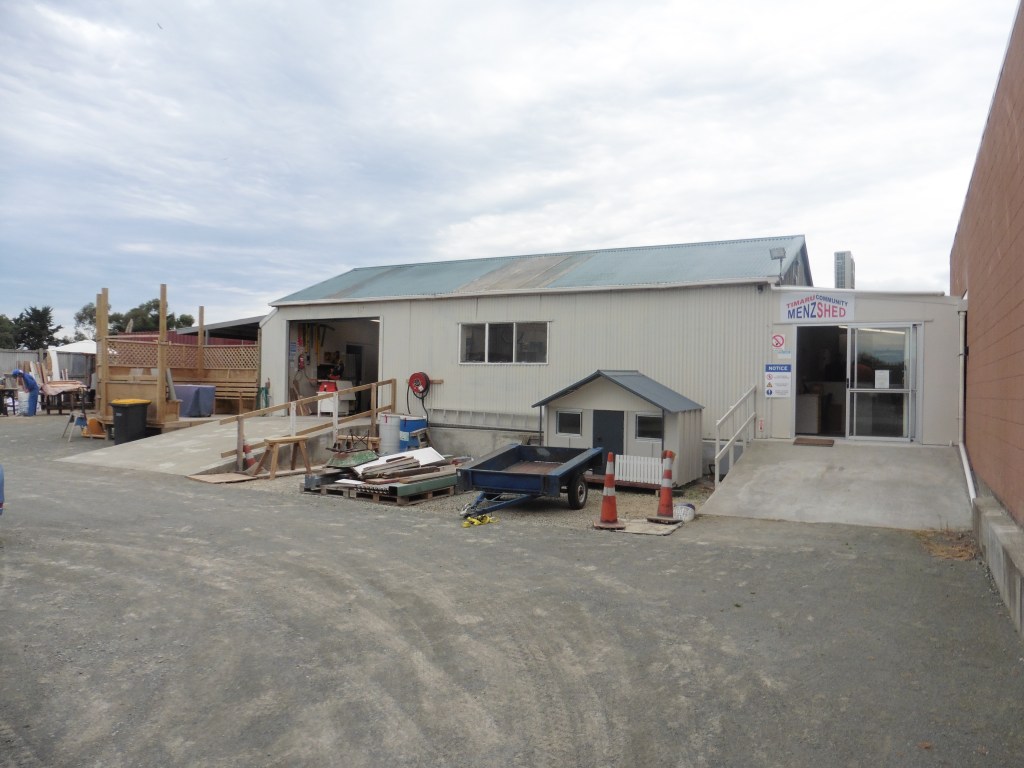
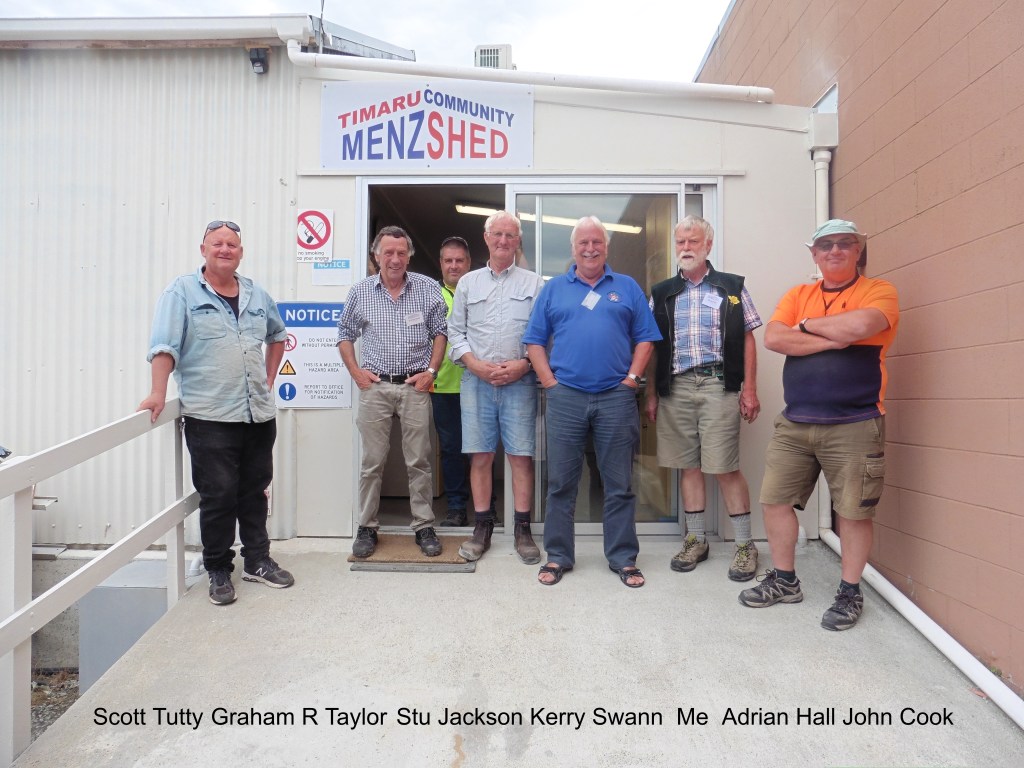
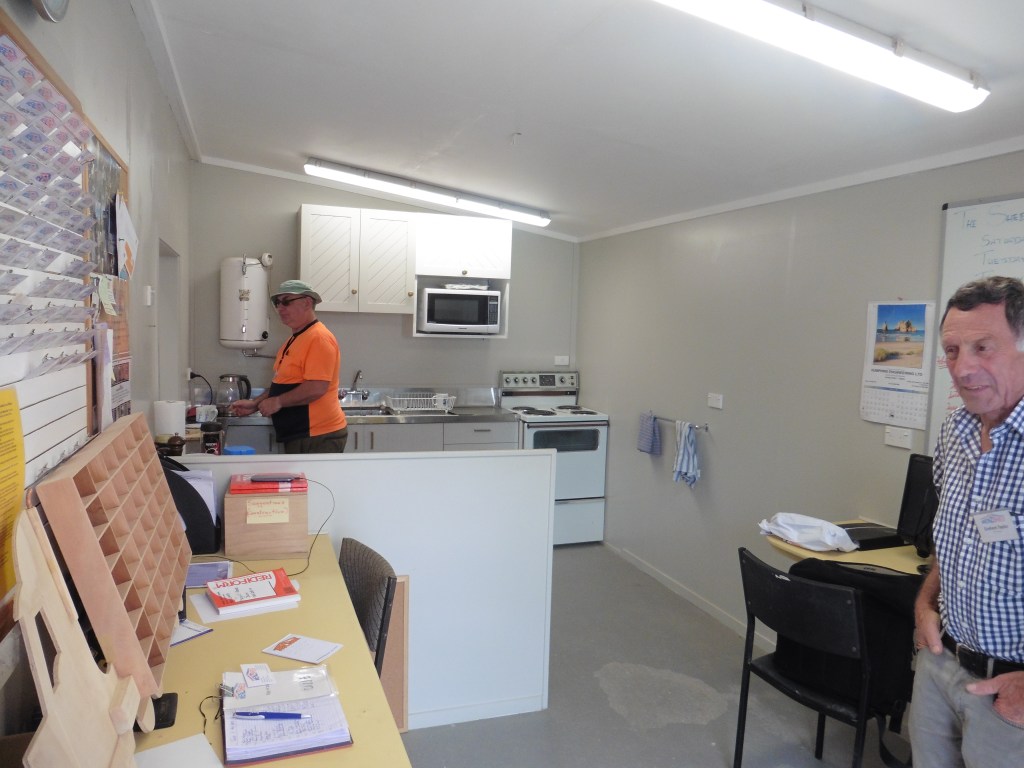
Timaru Menzshed is based on an industrial estate, and on arrival we were welcomed by John Cook (Secretary), who then introduced us to the other lads there, and the kettle was put on.

The site is large with existing buildings; previous use was as a small vehicle workshop.  It has been donated free by the Landlord who is a keen supporter of the Men’s Sheds Movement, so the lads only have to pay for the rates and building insurance charges.

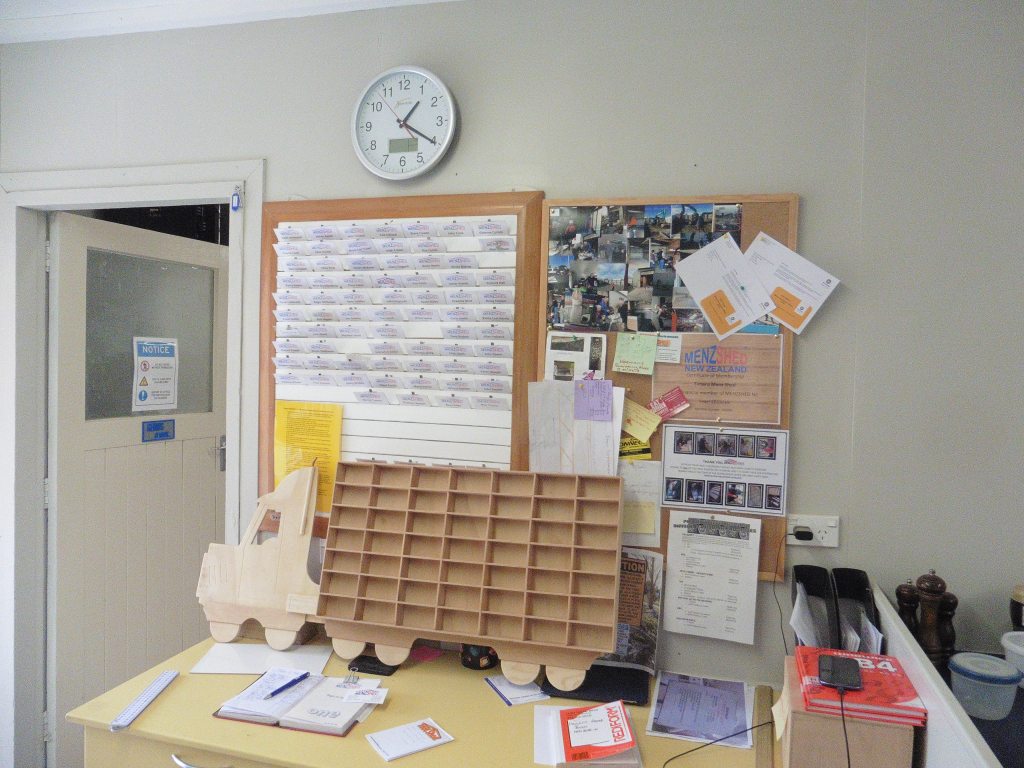
The first Shed meeting was held on the 8th March last year, which raised considerable interest and support locally.  A generous founder member offered use of a vacant building and work to refurbish it began immediately, meanwhile the group opened a bank account and became ‘Incorporated’ in May.  The site was handed over to them during June, the previous three months were spent totally renovating the dilapidated main building as the main workshop, office and mess area by the members.  They were also very fortunate in that the Landlord has also paid for all the materials!

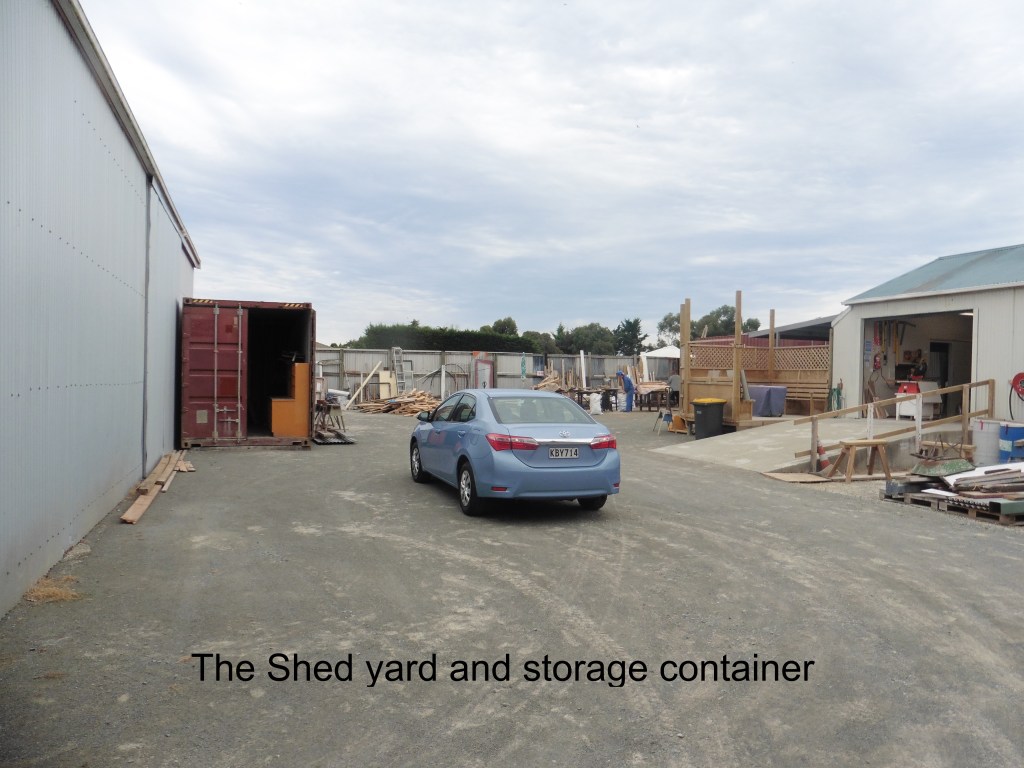
Since opening, the group have bought two shipping containers, one for materials storage the other as part of the outdoor metal and hot work area.  There is also an area of the yard given over to cutting and packing kindling wood for fund raising, it cold in New Zealand in winter and many still rely on wood fires.

The whole site is 34m x 21.5m plus drive, giving a floor area of 730m2.  The main building measures 16.2m x 6.5m giving a floor area of 105.3 m2 and a small toilet block.

In fact, since July the Committee has raised; by applying for funding and Grants, the sum of NZ$35,000. This has been achieved without any funding being made available by the National or Regional governments.  However, to assist all Sheds with fund raising and administration, the NZ MENZSHED association has set up ‘Regional Hubs’, similar to their Australian neighbours for support and advice.

The Shed is open three days a week, on Tuesday and Thursday between 09:00hrs and 15:00hrs, and Saturday between 09:00hrs and 13:00hrs.  Membership currently stands at 75, with on average 35 active members, of which approximately 20 are (what the lads call) hyper-active!

There is an annual Membership fee of NZ$50.  Tea and coffee are paid for out of the budgeted funds, but some members contribute as they feel able.

Due to the Shed being recently set up the group have yet to formalise Health & Safety and self-accreditation procedures, but work is in progress.  The same applies to forecasting running costs which the group have estimated should come in at between NZ$12k to NZ$14k for this year.

Community projects are the mainstay of the Shed’s income, with projects ranging from Kindergartens, raised vegetable beds, and making folding tables for a local Scout Group.  The Shed also sells sacks of kindling wood, which has proved to be a very good seller. A 3kg bag is sold for NZ$12.

Many personal projects are undertaken, including one by an elderly member who unfortunately has a terminal illness, has made his own coffin. Two have been made so far, with orders for more flooding in!

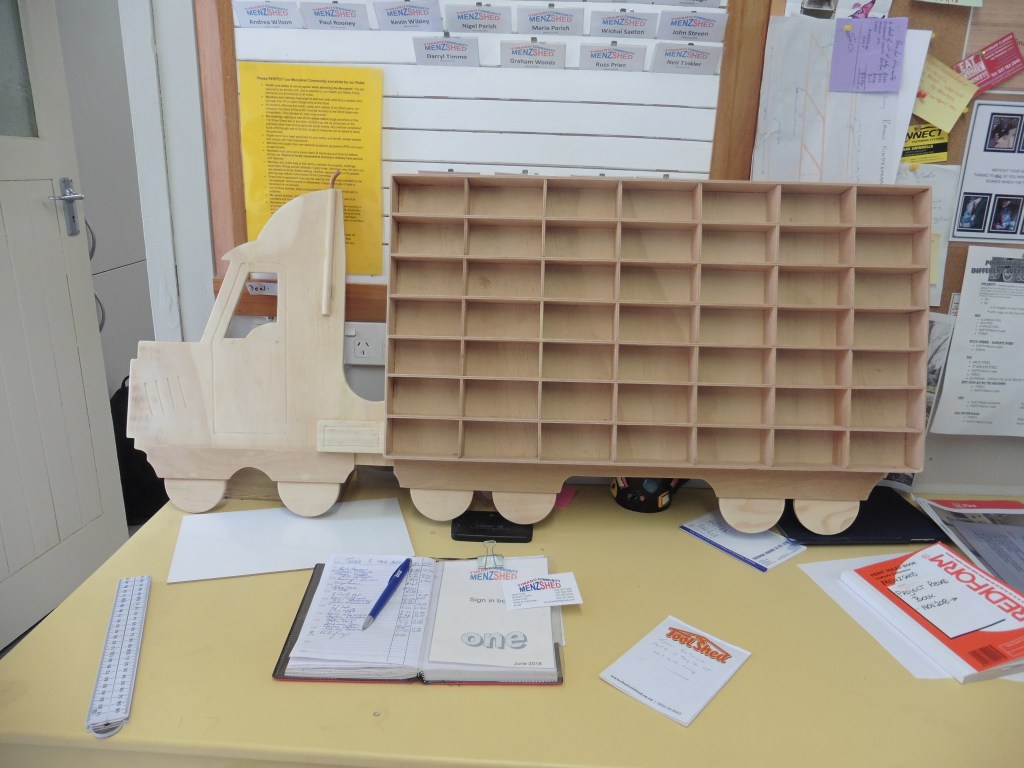
Other interesting projects such as garden gnomes (I ask; why not Hobbits?) can be seen on the website.

For more information: www.timarumenzshed.com  

Shed 8: The North Dunedin Shed Society. South Island. New Zealand.

Visit date: Wednesday 6th February 2019.

Just past the former famous ‘Steepest Street in the World’ is where you can find The North Dunedin Shed Society.

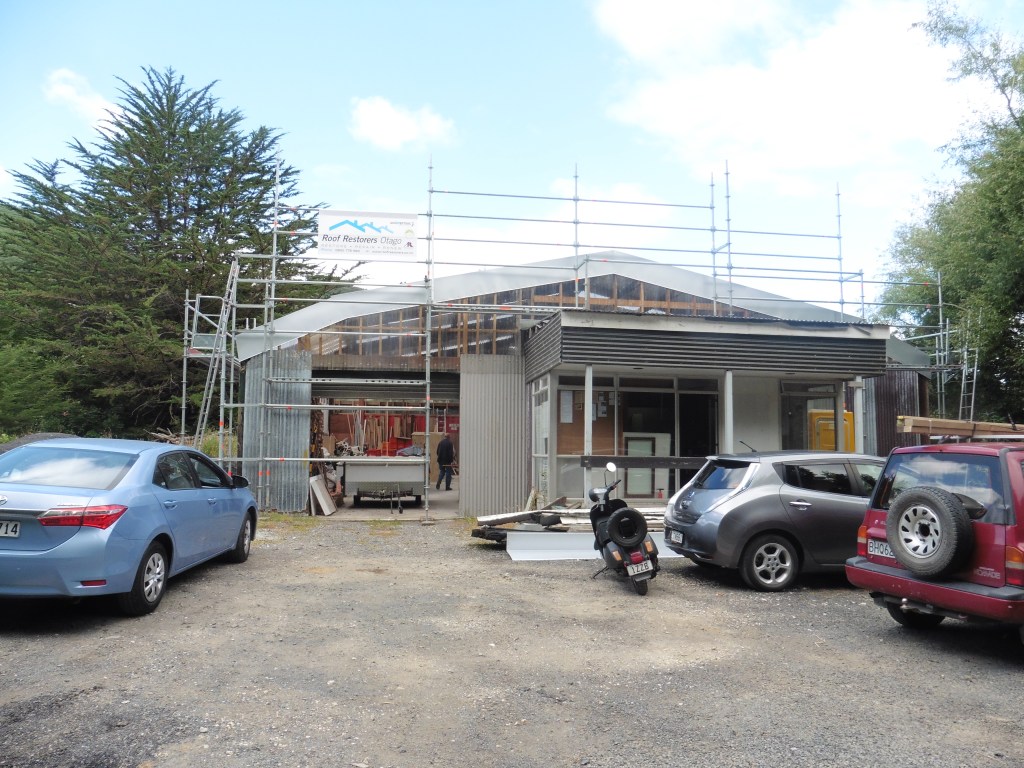
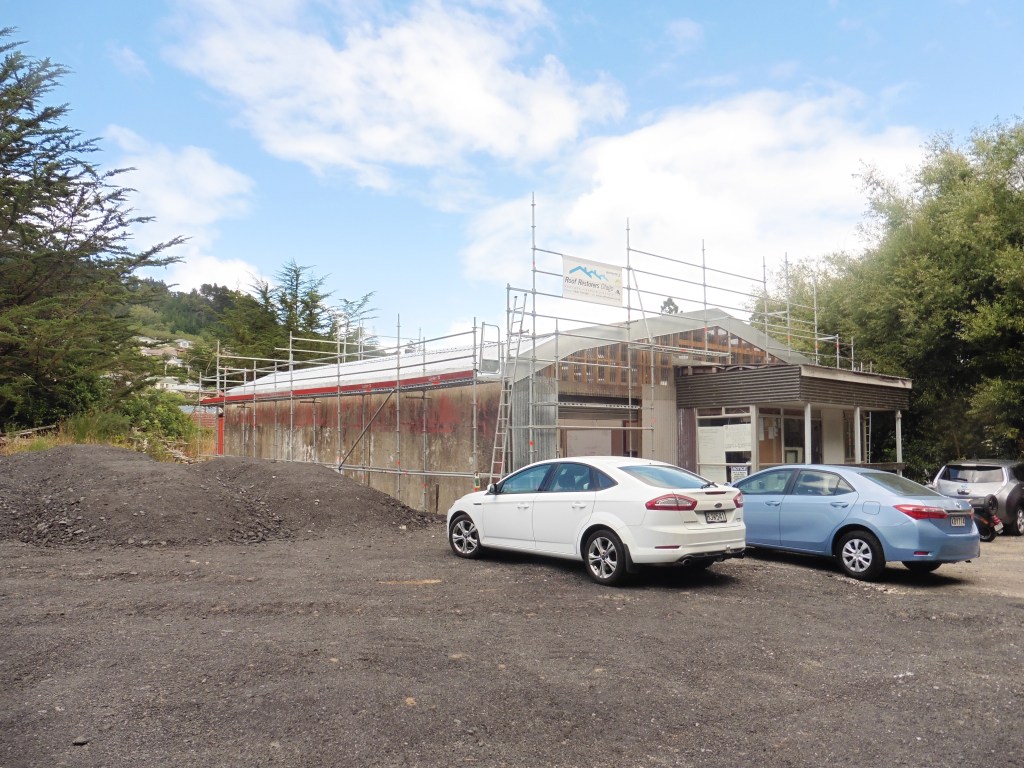
The Shed is down a side road at the end of which is a farm gate and a farm track that leads to a large yard and an old open ‘aircraft hangar’ sized agricultural barn structure.  Surrounded by scaffolding, from the website it was what I was looking for.  Cars were parked outside, but there was no sound of activity within, so I walked up to the door and saw the lads sitting around chatting and having a cuppa!  Result!

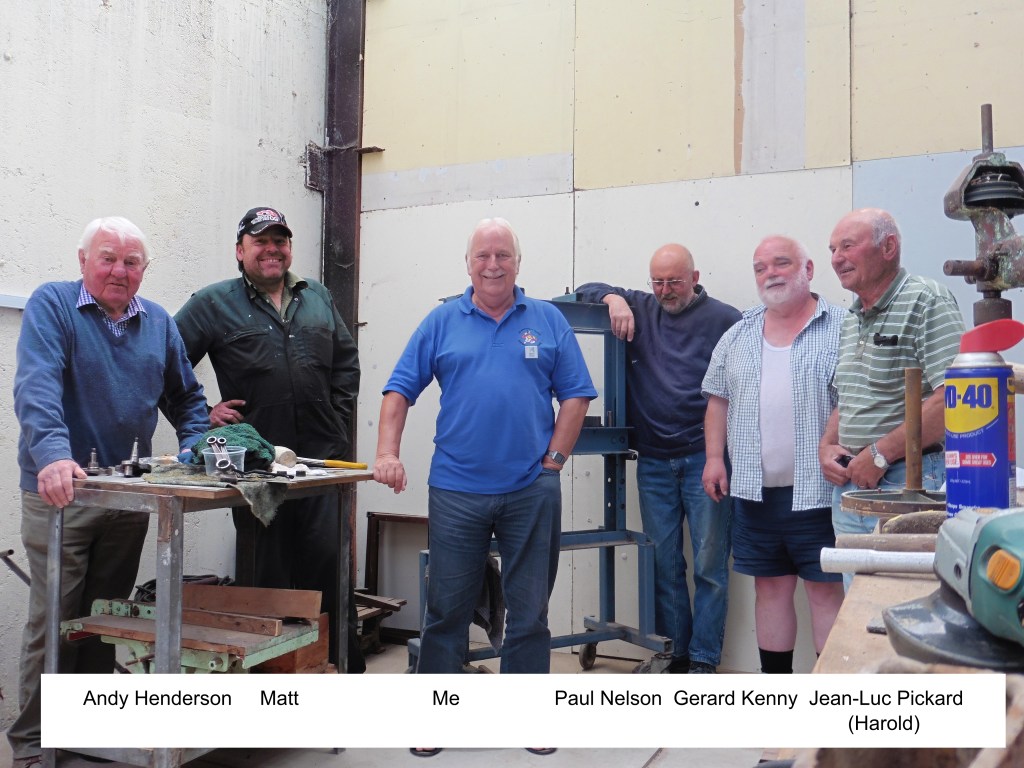
Shed President, Gerard Kenny with his cheerful, beaming smile, (he looks absolutely nothing like his famous American singer/songwriter namesake) welcomed me in, and introduced me to the lads.  I was then given a cuppa, and introduced myself and explained the reason for my visit.

The Shed is affiliated with MENZSHED, and is not a ‘closed’ shed for men only.  They welcome women members.

While we were chatting, I started to notice something very strange with Harold who was sitting next to me.  This started to worry me; was it was his stature, shiny pate and aquiline features!  My mind raced, distracting my attention from the intelligent conversations going on around me. Then it dawned on me, Harold was none other than Jean-Luc Pickard, Captain of the star ship USS Enterprise! 

Of course, wanting to keep incognito – he denied it!

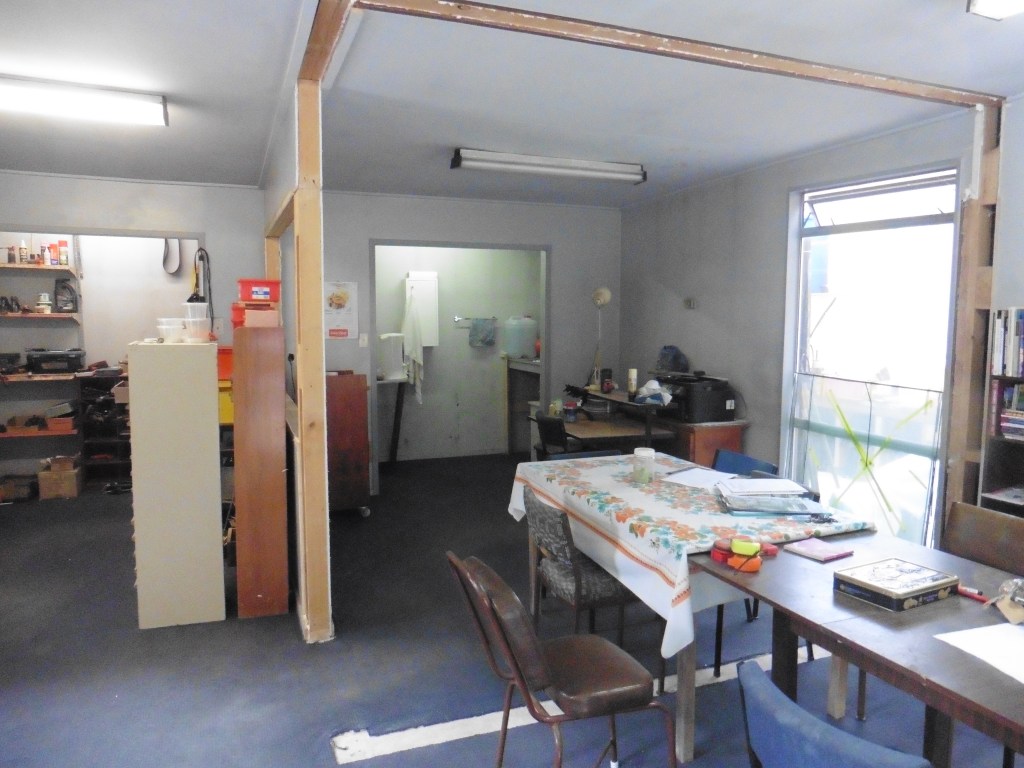
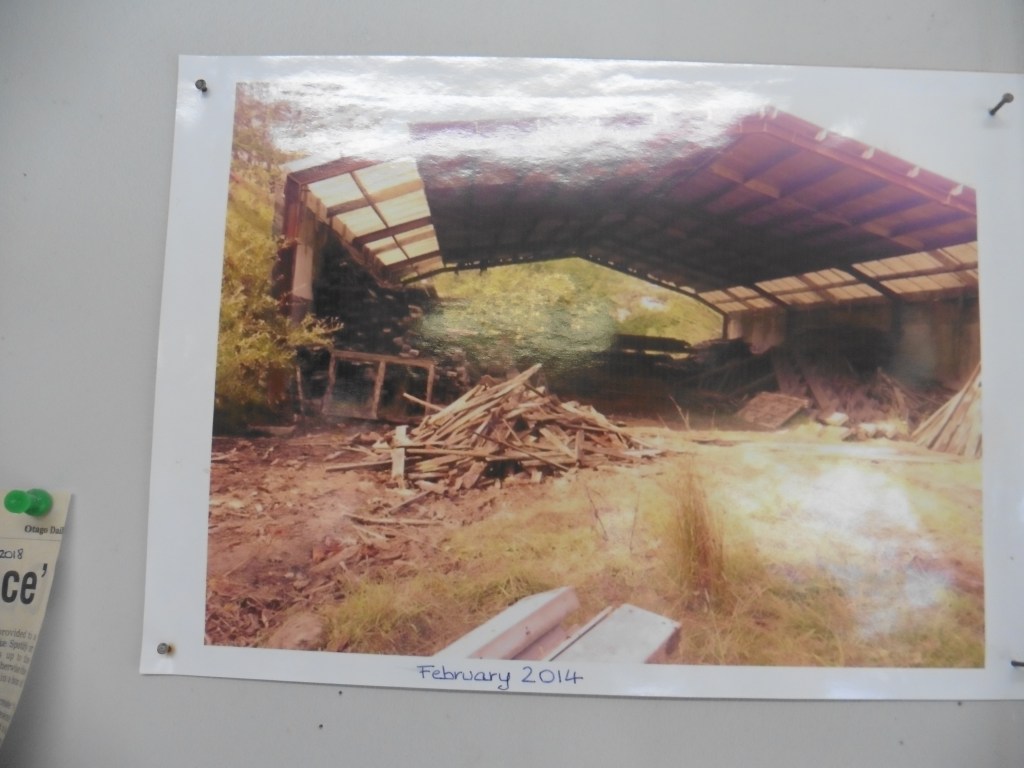
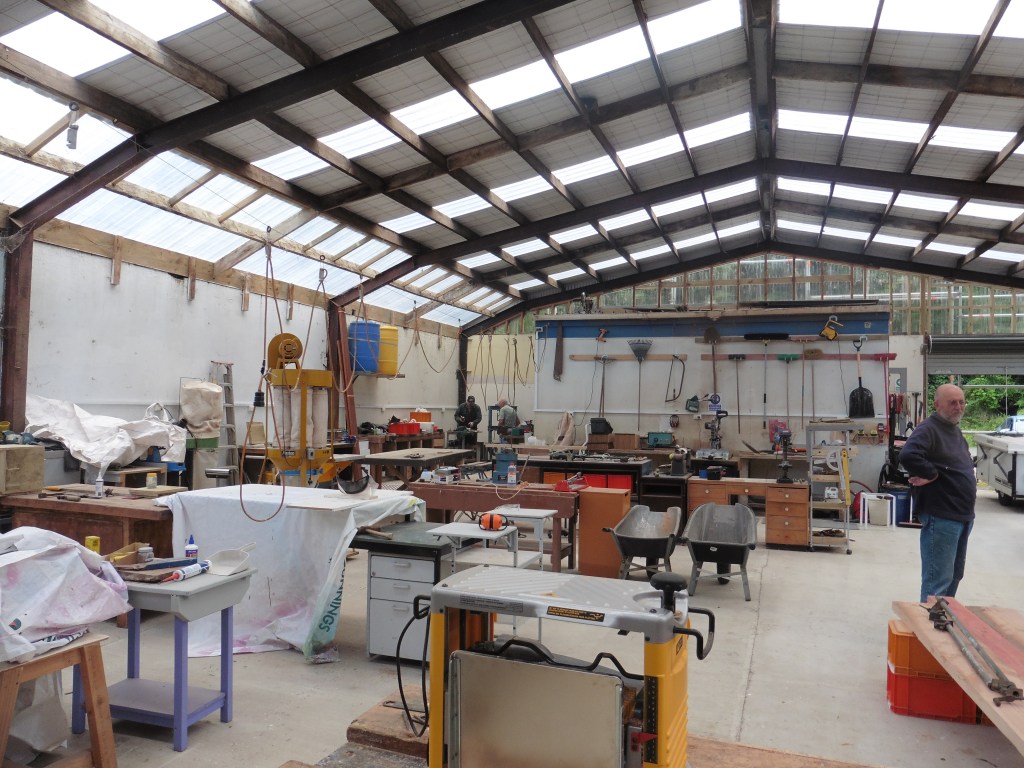
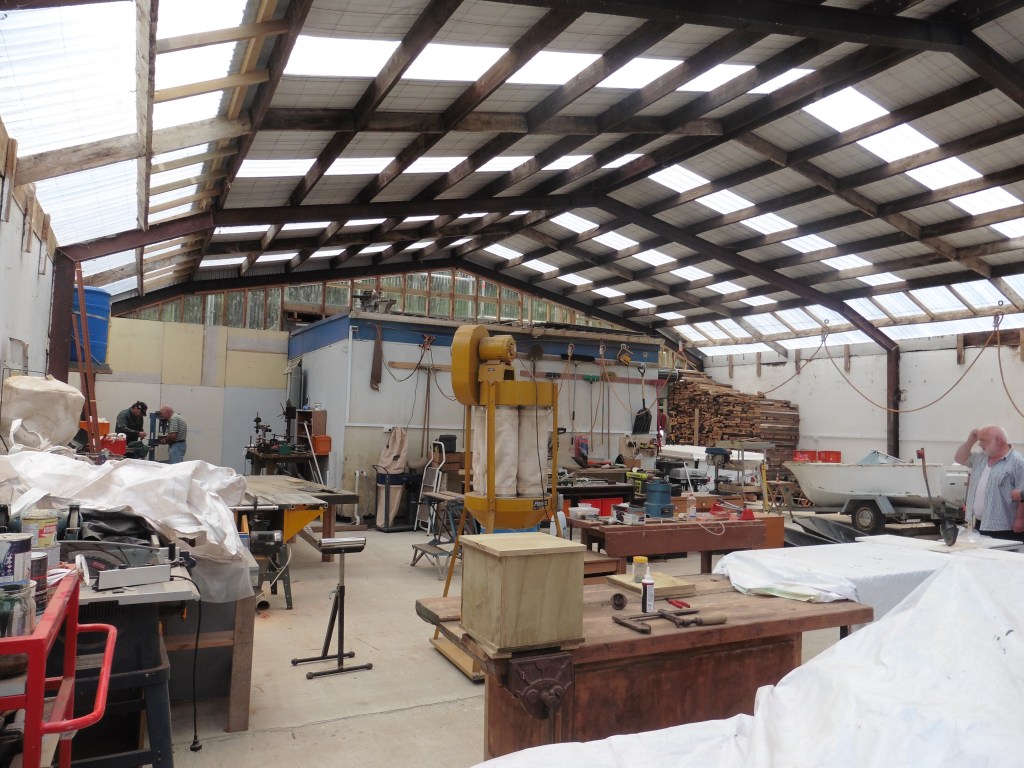
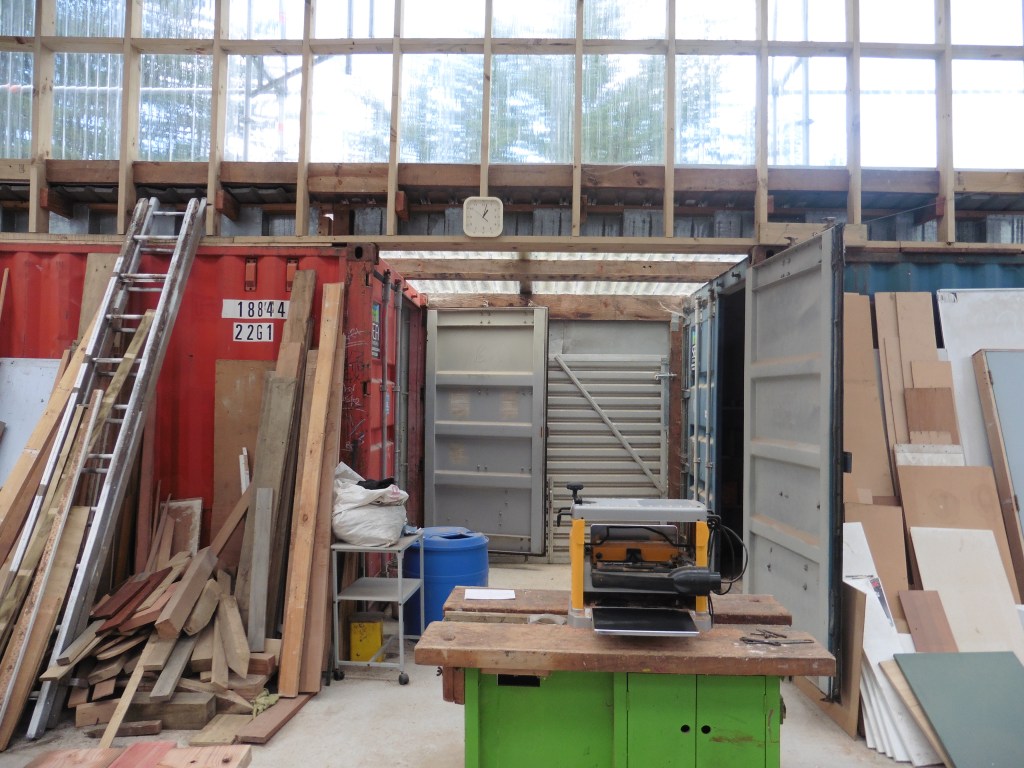
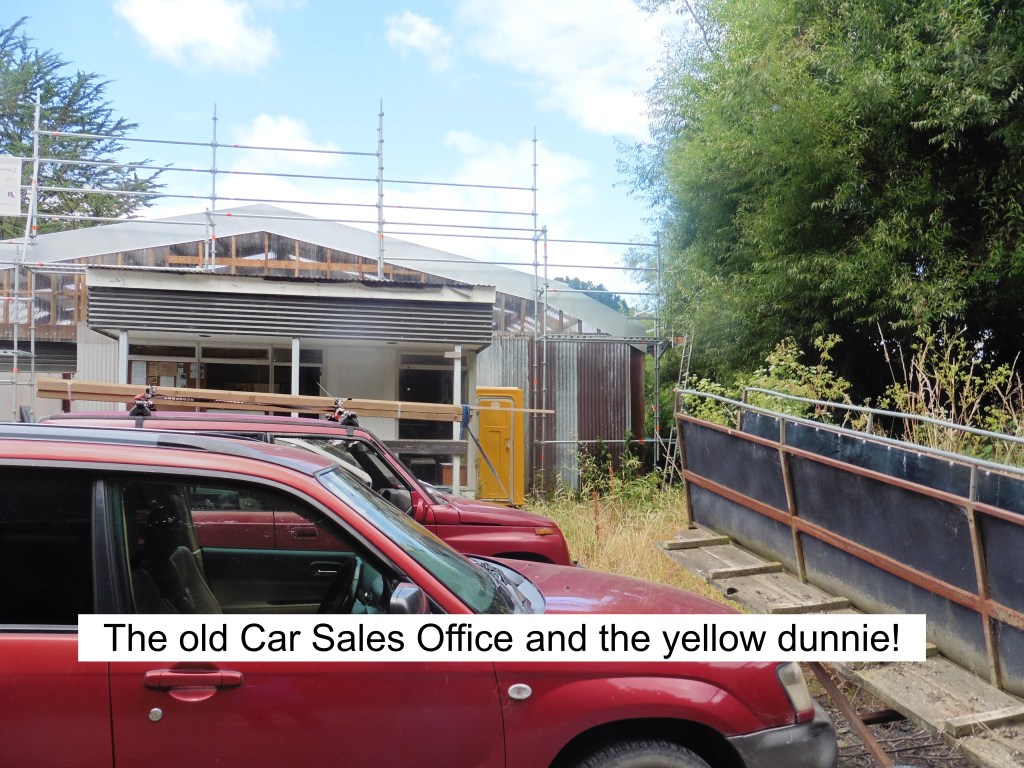
The Shed started in 2014. The site is part of a local farm which has been donated rent and rates free to the Shed by the farm owner.  The building measures 16m x 18m (floor area 288m2), and there are 2 x 40ft containers used as storage, with another one on the way.  Further good fortune came because the farmer is also a demolition contractor who has supplied gratis building materials for the walls, and an old car sales lot office building which has been installed within the building to be used as the office and messroom.  The same applies to the materials used to fit the building out.  Water and electricity are installed, but there is a lack of proper toilet facilities. An outside yellow Dunnie ‘Portaloo’ has to do!

All work has been done by the lads themselves over the past four years! Very ‘enterprising’!

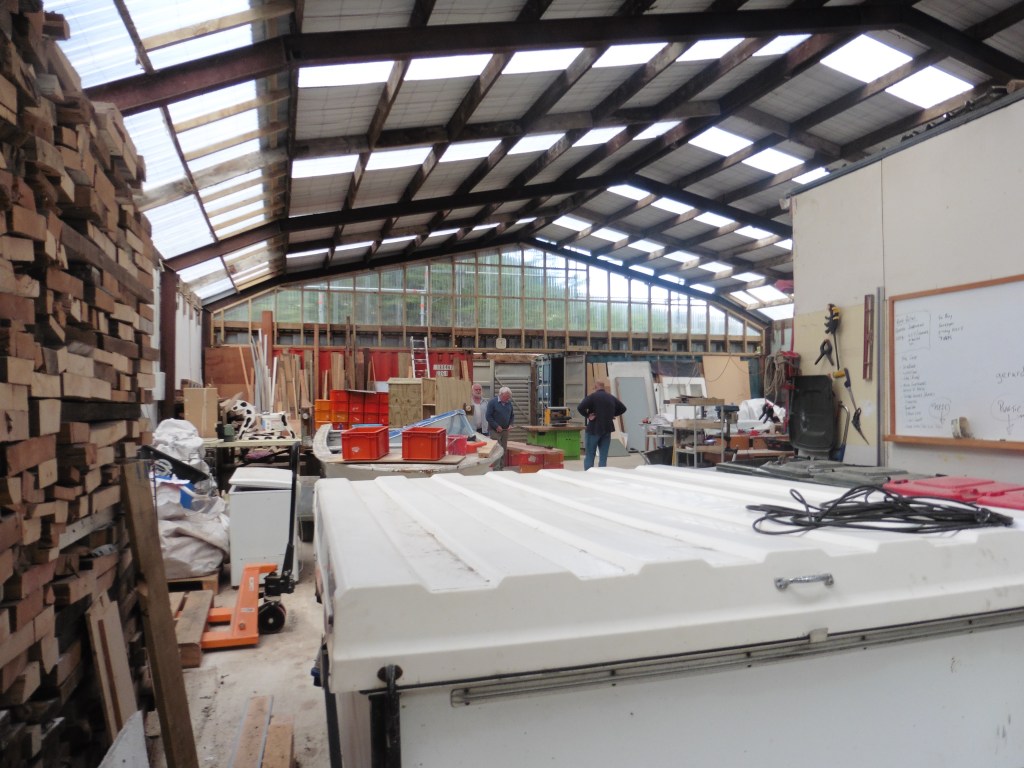
The scaffolding: you ask?  The roof was being completely replaced with proper insulated sheeting, funded by a huge New Zealand Lottery grant!

With all this work going on the lads consider that they are now in the final stages of consolidation, and therefore not really been able to establish themselves within the larger Dunedin communities.

That is not say they have not done anything.  To the contrary: their ‘Facebook’ page details a lot of community projects that they have helped with. For these they ask for a suitable donation for their efforts, and reimbursement for any materials that have had to be bought.

Health and Safety issues are managed professionally, but no self-accreditation process has yet been implemented.  That will come when the Shed is up and running properly.

Membership currently stands at 20 members, all regular attendees, with more enquiries coming in.  The annual Membership fee is NZ$10, supported by a ‘joining fee’ of NZ$10.

The ‘tea fund’, a contribution of NZ$1 per session is asked for.  It is interesting to note that many members contribute a lot more to the tea fund which gives them enough free cash to splash out on having a members’ BBQ every month or so.

Obviously, running costs are minimal, but these are covered by small donations, fund raising from selling firewood cut from demolition timber, and a ‘margin’ on materials from the community projects.

Bunnings, the DIY chain, are very generous with donating materials and small tools etc.

For more information: The Shed has a Facebook page, and local media websites.
8: The North Dunedin Shed Society. South Island. New Zealand. Photos.

Blenheim Shed under refurbishment. Note the old Car Sales building tacked on the front!
View showing size of building.
Mess and Office area in the old Car Sales office.
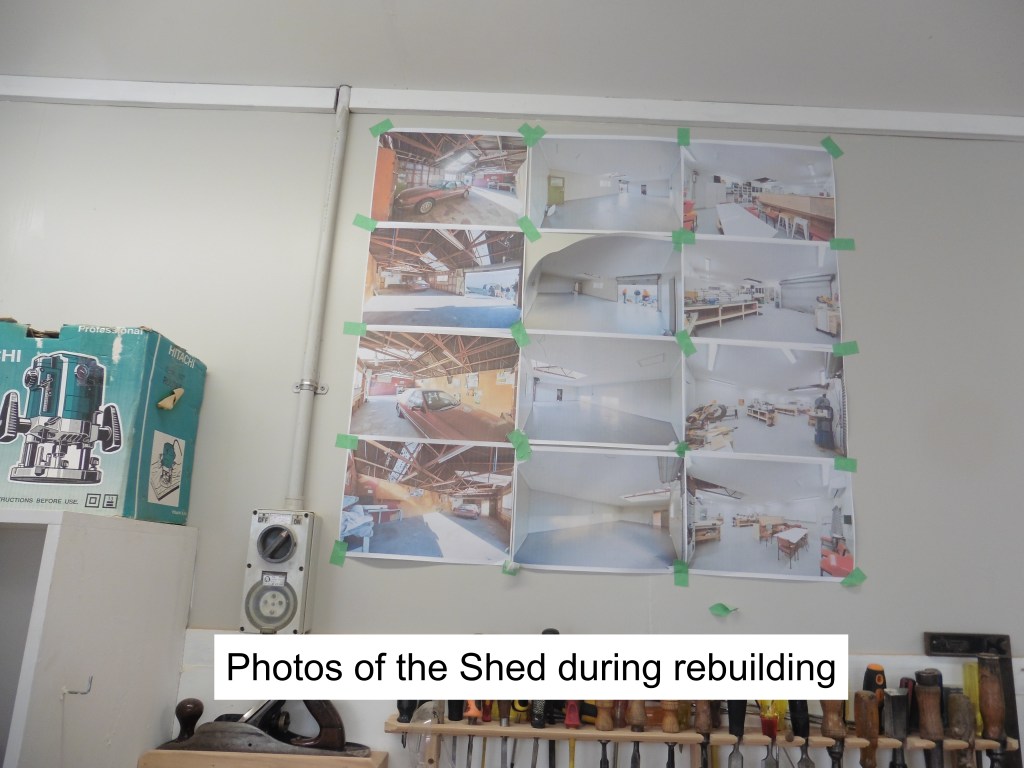
A photo of the derelict farm shed as given to the lads in 2014. What a task!
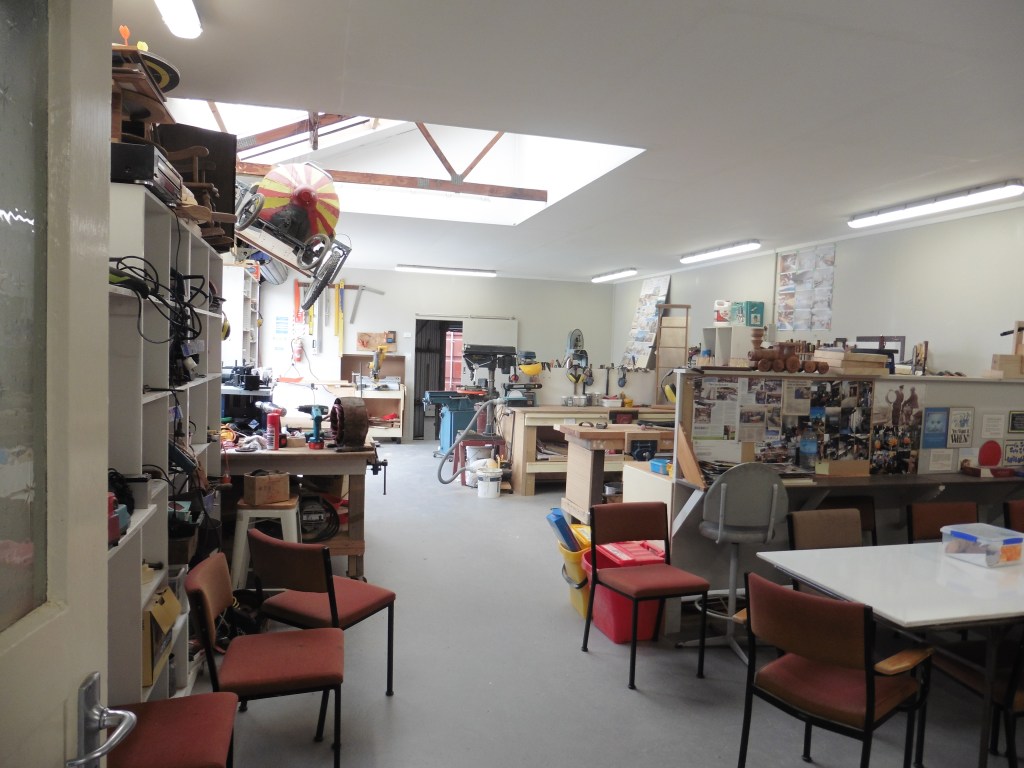
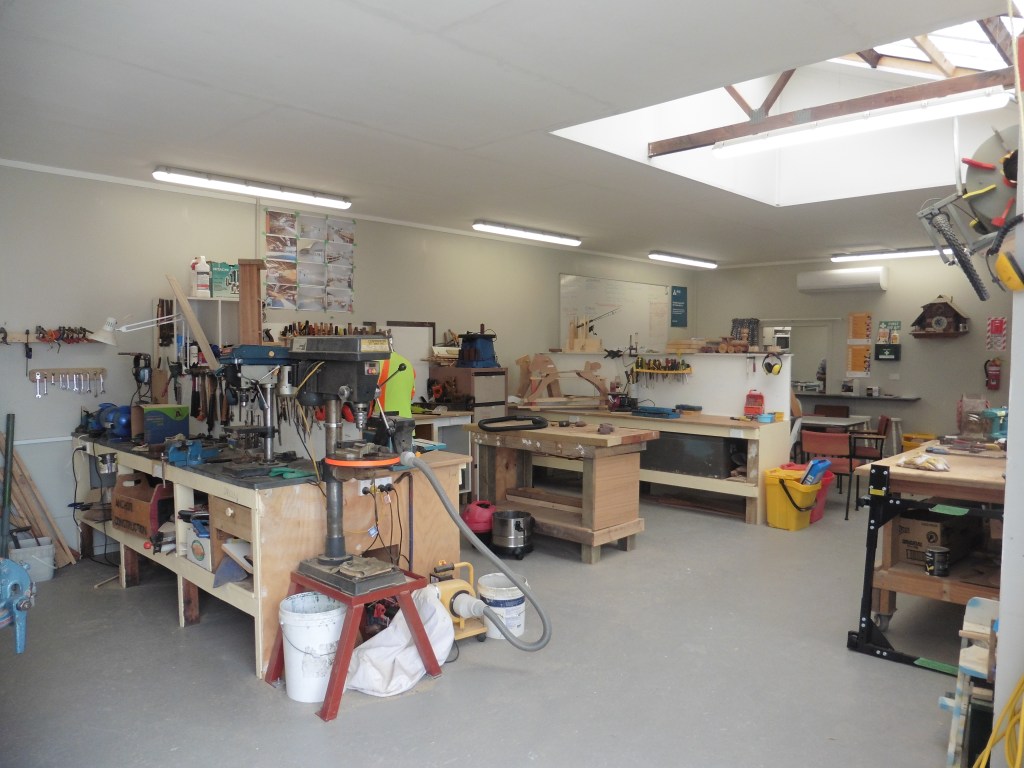
Internal view of workshop with new roof and roof lights.
View towards the front of the Shed. Welding Bay is on the far left.
Access to storage containers at rear of the building

Shed 9: Blenheim Menzshed. South Island. New Zealand.

Visit date: Saturday 16th February 2019.

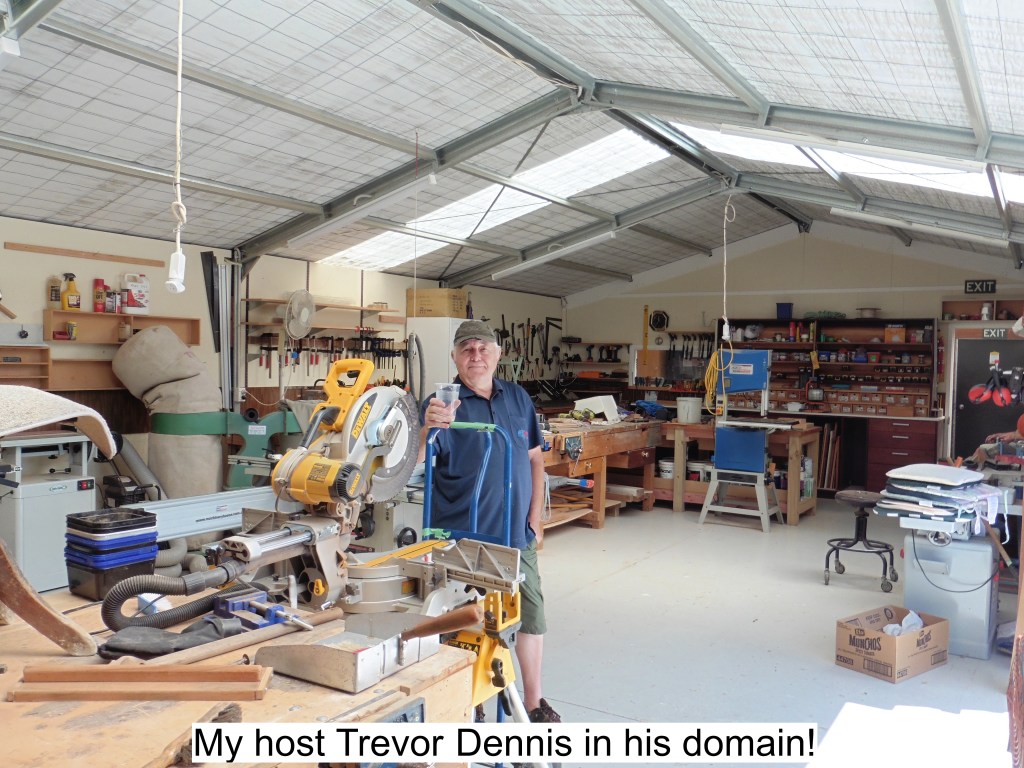
I had phoned Trevor Dennis (Secretary), and he told me that it would be best to visit on the Saturday as both they, and other Community Groups on the site were holding a Garage Sale.

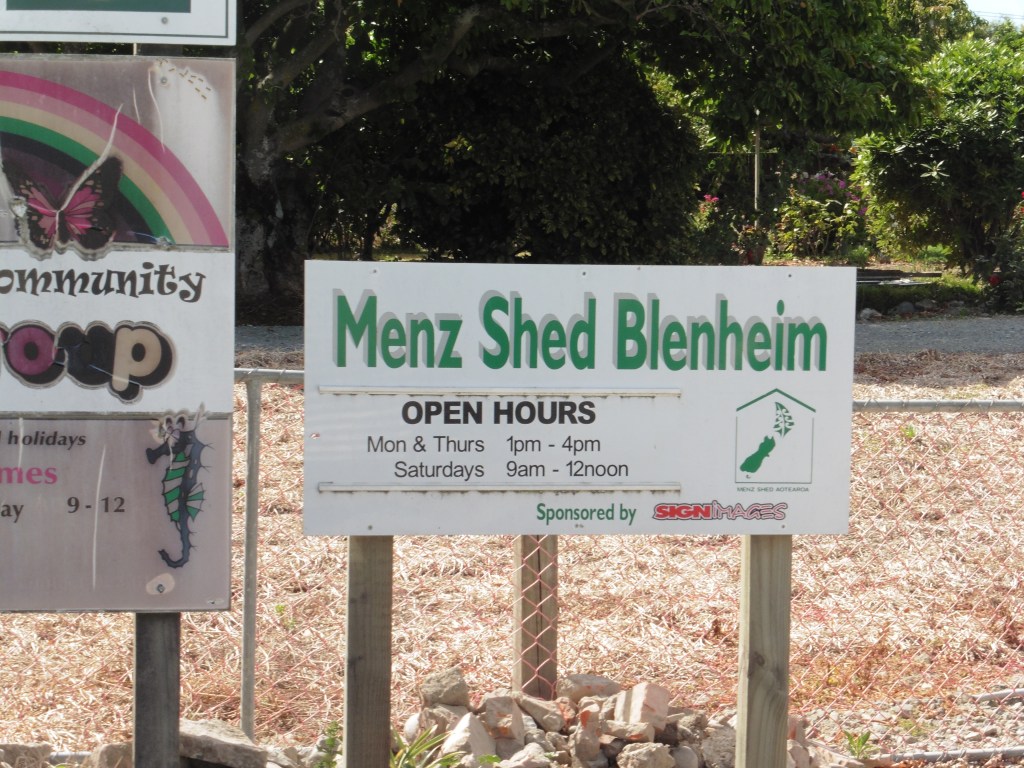
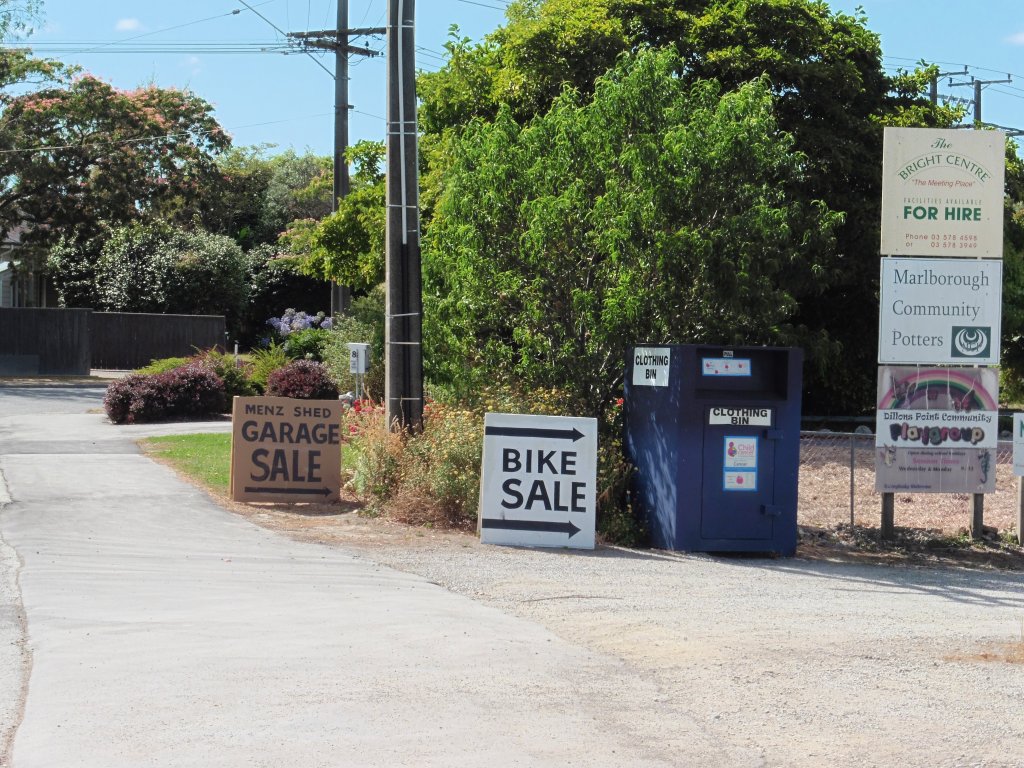
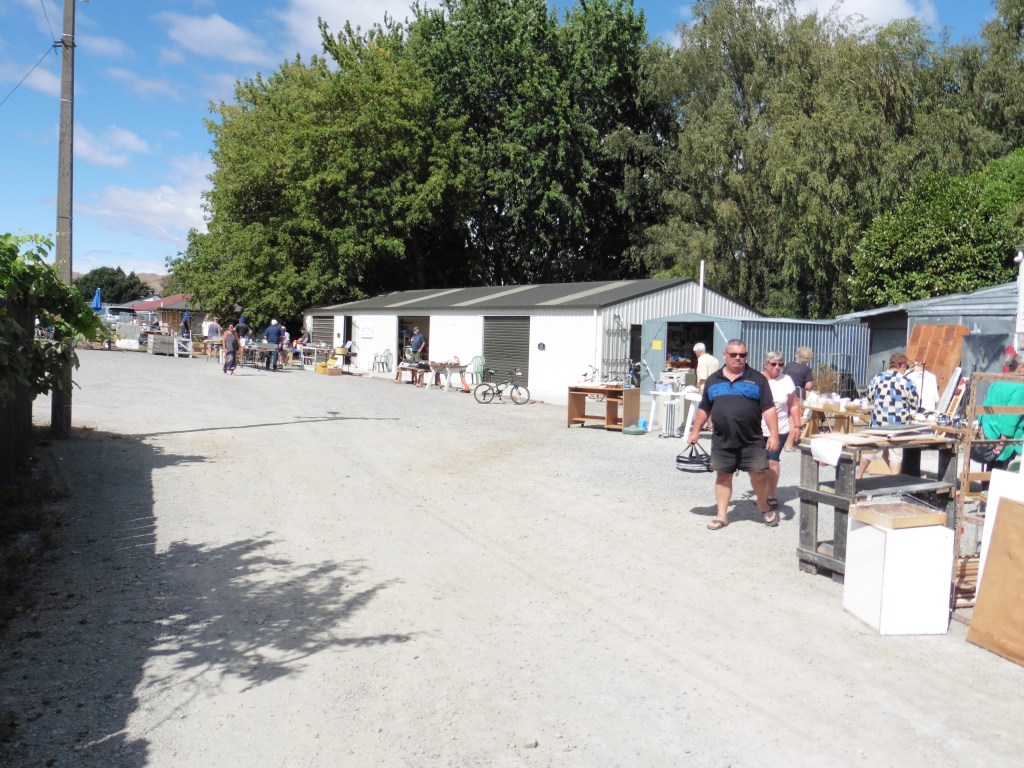
Saturday came, and off I went.  I found it just around the corner from the town railway station, where earlier that afternoon I watched the steam hauled ‘Marlborough Flyer’ arriving from Picton with its trainload of Cruise Liner tourists. Walking towards the entrance I saw two sign boards, one read: ‘Menzshed Garage Sale’, the second read: ‘Bike Sale’.  I entered the yard and I saw the stalls set up by the various community groups, including a small grey shed with second hand bikes displayed outside it, next to a long white shed where Trevor was waiting for me.

After our introductions; my visit to this comfortable little Shed started.

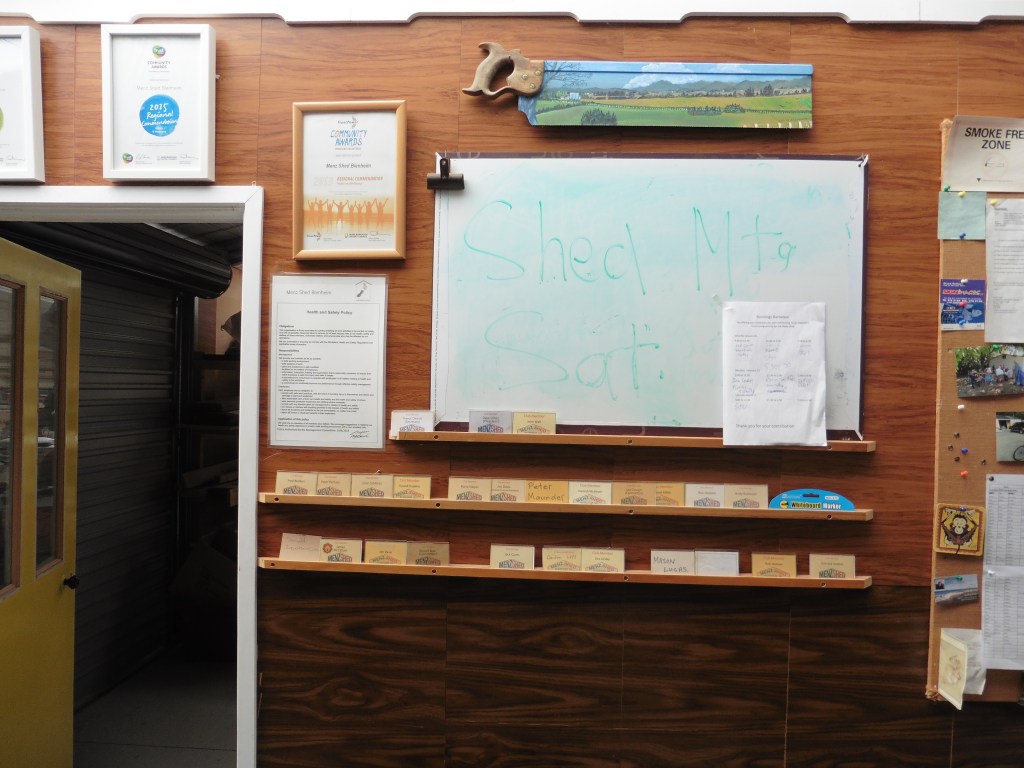
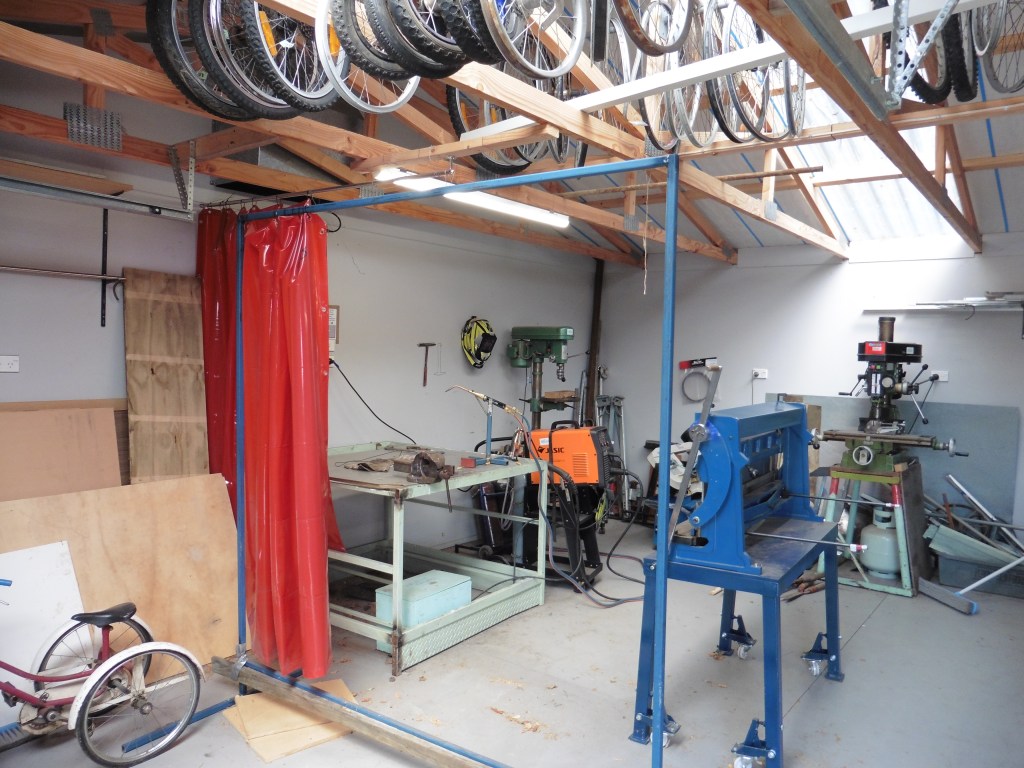
The site on which the community groups occupy was gifted to the Council by a local land owner, after which the Shed was started in 2012. The lads then gained sponsorship, Grants from Councils and Charities to buy and erect the original part of the building, which is separated for a storeroom, toilet, office and woodworking shop.  An extension has since been added that houses the Engineering / Metalwork workshop.  The structure is an industrial design supplied in kit form by the NZ Company ‘Totalspan’.  It measures 13m x 8m, giving a floor area of 105m2.

The small grey shed is also a part of the Shed, from where a number of members refurbish second hand bikes of all sizes, which are then sold.

The Shed has a very healthy bank balance of NZ$17,000, which is the result of all the projects undertaken, that include:

  • Assisting the elderly, schools and deserving families by undertaking repairs to property, etc.  Obviously, these projects are taken on within their capabilities, and with the intention of not undercutting the local tradesmen.
  • The sale of the refurbished bikes brings in approximately NZ$500 per month
  • ‘Sausage Sizzles’, run on a regular basis bring in approximately NZ300 per session.

Running costs are fairly minimal, with no rates or rent to pay, and services costing NZ$80 per month. Public Liability Insurance is around NZ$350 per year.

Membership currently stands at 40, with approximately half being active in various projects.  The membership fee is NZ$25 per year.  There is no tea club, as the supply of tea and coffee is paid for out of Petty Cash.

The annual Christmas Party is paid for out of the Shed funds!  A grand gesture on the part of the Committee to thank the members for their hard work over the past year, I’m sure you will agree!

In recognition to its community projects, the Shed has recently received an ‘Award for Wellbeing’ which was sponsored by ‘Trust Power’, the regional electricity supplier.

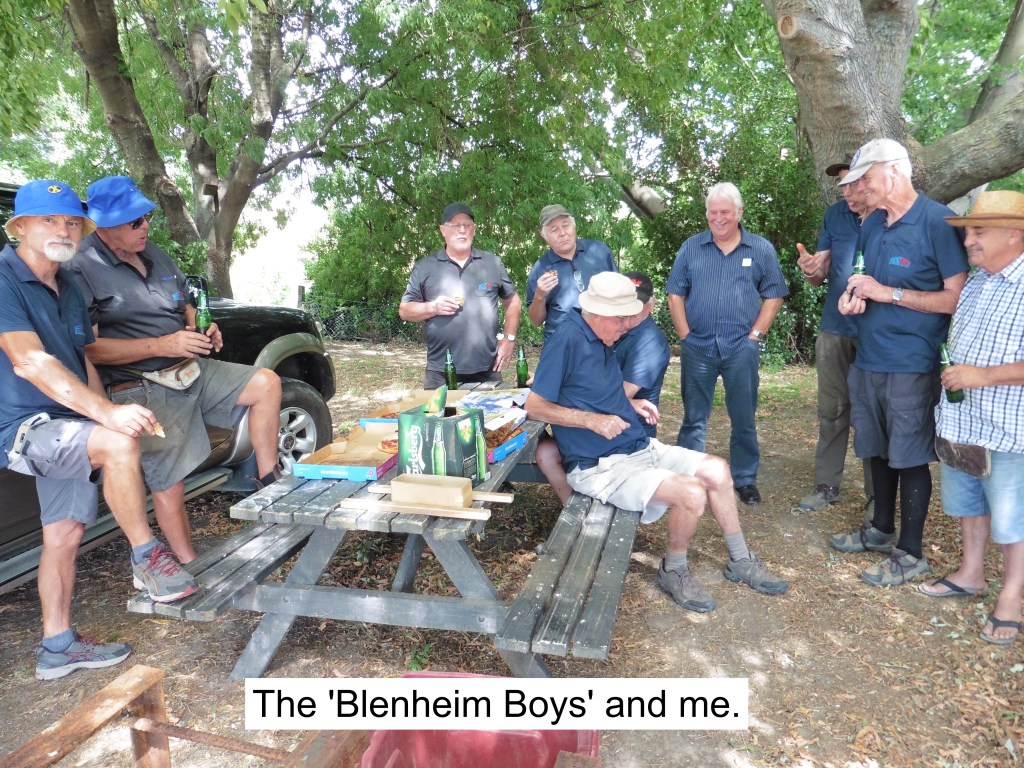
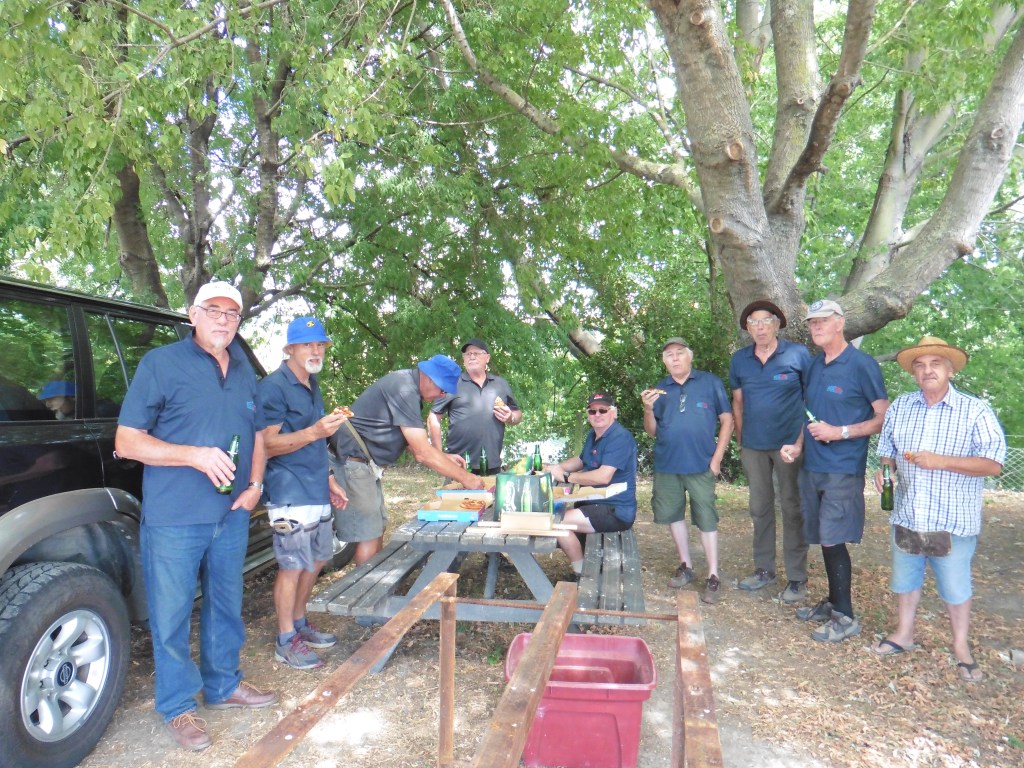
Time soon came to close the Garage Sale.  After clearing up and packing away, we all retired under the shade of a ‘Coolibah tree’, got out the tucker-bag and the esky, and had a wonderful, relaxing picnic.

Then, from the distance was heard the lonesome wail of a whistle!  The train was leaving; so was I!

For more information: The Shed has a Facebook page, and local media websites.
Shed 10: Auckland Community Shed Report – Gribblehirst Park. Auckland. North Island. New Zealand.

Visit date: Monday 25th February 2019.

Visit arranged with Ken Buckley; next morning I set off by taxi, as I had decided that was the best way for me to find the Shed.  However, Sandringham Road is a long road, but could we find the Shed address number of 225B? No!  We could find a house numbered 225, but no 225B, or 225A.

So, after a few questions with locals, the entrance was finally found to be down the narrow lane named Cabbage Tree Swamp Drive.

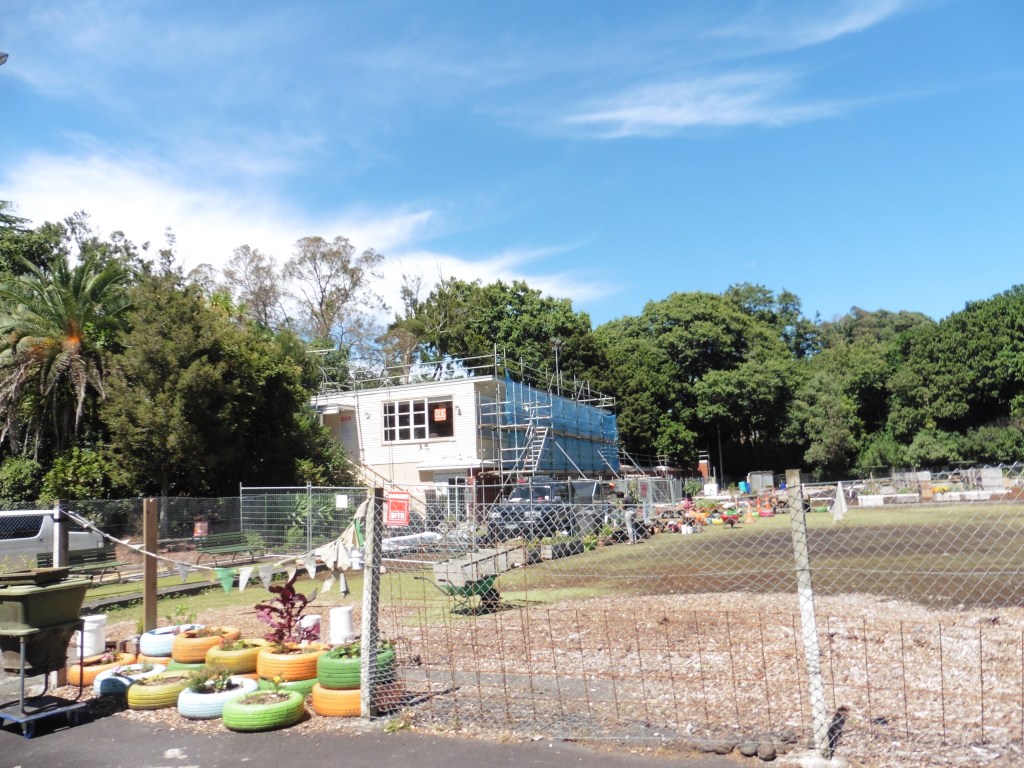
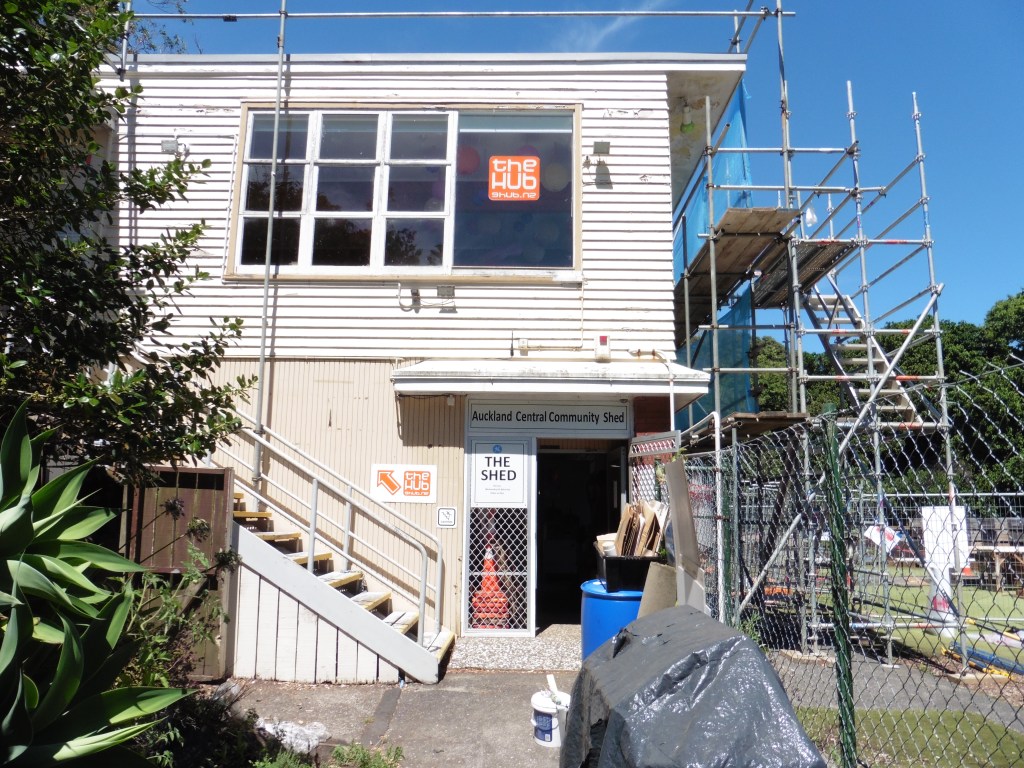
Tucked behind the Rugby Club clubhouse (obviously 225A) was another two-storey building festooned with scaffolding, the ground floor door had the sign: ‘Auckland Community Shed’ above it.

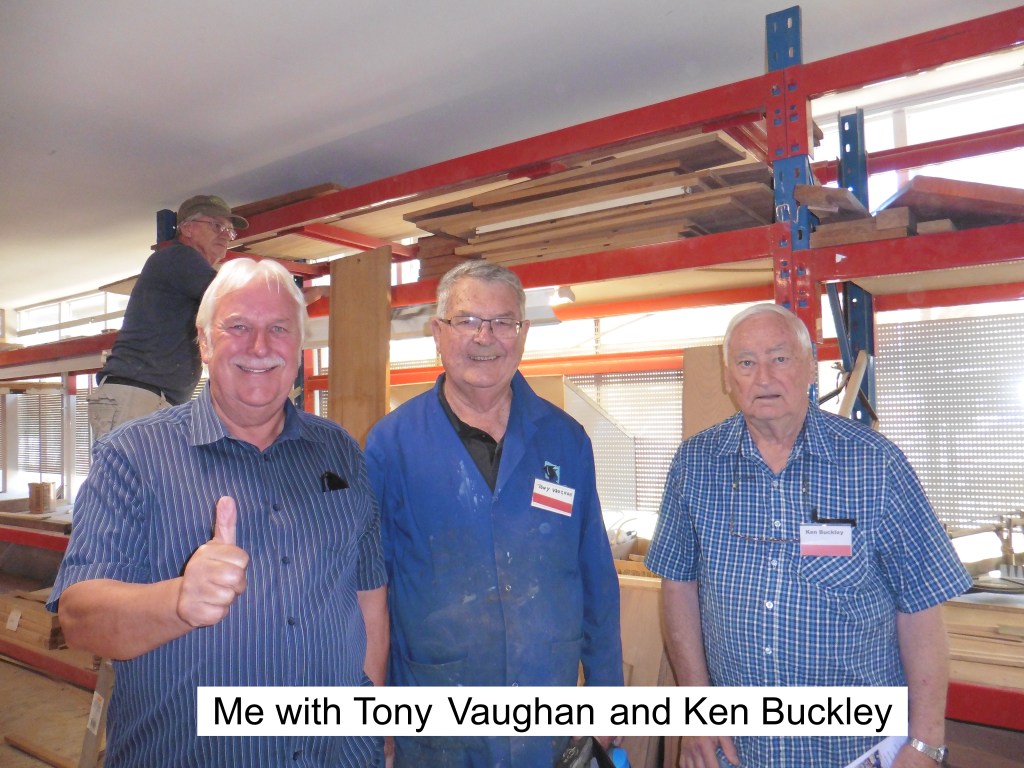
Entering, I was met by Ken, who introduced me to the other members that were there, and the kettle was put on.

Nattering whilst drinking the tea, I asked why the park had such a funny name, and was told that the land was originally a large farm owned by the Gribble family, was named Cabbage Tree Swamp Farm. Then one of the daughters married a man with the surname of Hirst bought part of the farm. Then in 1930, the two families donated the lands to the local Council for use by the community, and thus was named ‘Gribblehirst Park’.  The Rugby Club and a Bowls Club have since been built on part of the park, but the Bowls Club closed a number of years ago, and fell into disrepair, hence the scaffolding. The exterior is currently being refurbished by the local council who are paying for the replacement of cladding, repainting, and replacing all the old windows and frames with new ones that are fitted with safety glass so as to comply with modern safety and building regulations.  All at no cost to the Shed or other occupants.  Two adjacent derelict bowling greens are used by others for open storage.

After the Bowls Club closed, the building was vacant and unmaintained for 6 or 7 years before the Shed gained access and occupancy of the ground floor in 2015.  The local council has recently granted the Shed a ‘Three Year’ extending lease agreement.

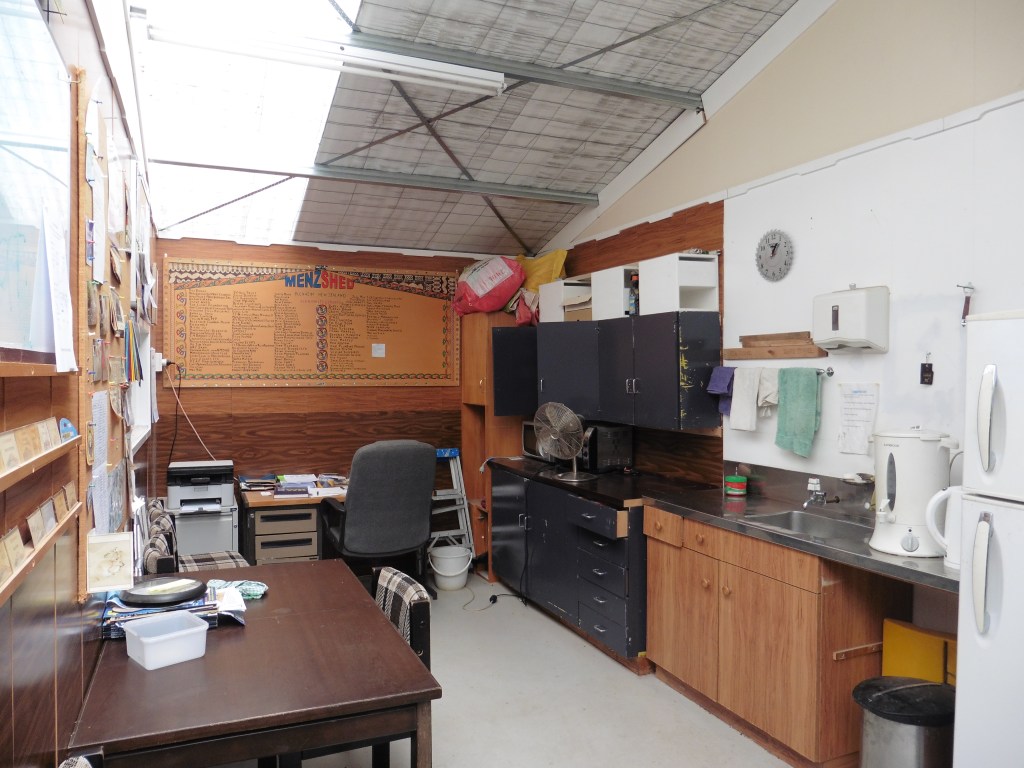
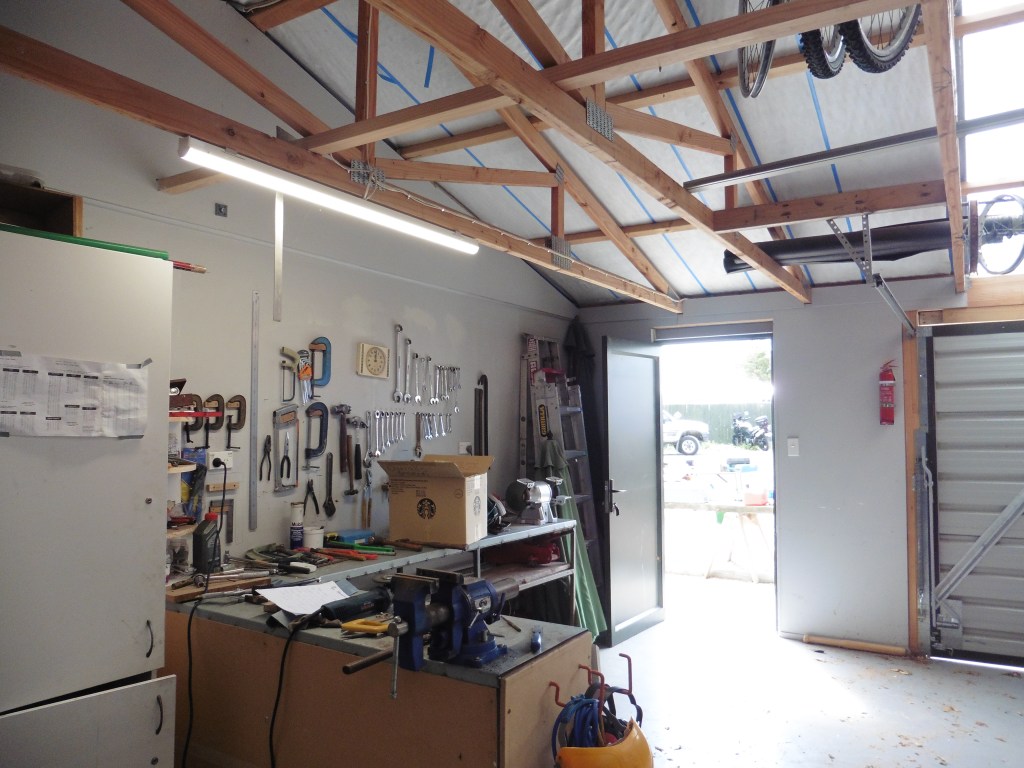
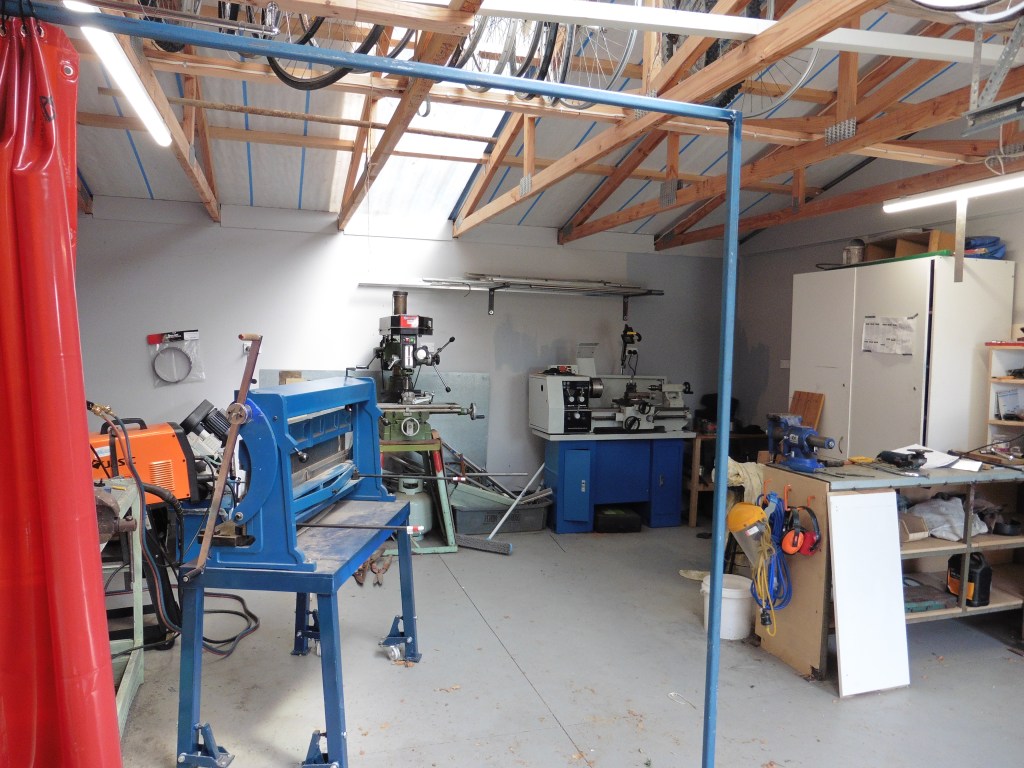
The Shed building has a total floor area of 400m2.  From the lobby, the inner door leads into a large woodworking shop (floor area 200m3.  In the corner can be seen the footprint of the old Club Bar and behind it is the old Beer cellar that now serves as a lockable power tool store. From the workshop can be found the office, toilets, mess room, Engineering workshop (floor area of 170 m2, a Computer Room with a 3D Printer, and storerooms, all well organised and tidy.

It’s a bit like being in a ‘TARDIS’.

Funding and sponsorship come from the usual sources, but like elsewhere, raising capital is hard.

The Shed pays a ‘peppercorn’ rent of NZ$1 per year, and a nominal fee of NZ$500 per year to cover maintenance and running costs.

Of interest, is an informal arrangement the lads have made with the local council.  The lads have found out that when any maintenance jobs need doing to the Shed, if they put in an estimated price under the NZ$1000 threshold as sat by the council, then jobs under that price seem to be paid without further ado.  No questions asked!

In fact, when setting up the machine shop, the lads realised that they needed a three-phase power supply installed. The installation was costed under NZ$1000, and ‘Bingo’!  They must have friends in high places!

Membership currently stands at 90 signed up on the books, including 5 females.  Of those, around 25 are active at any one time on projects.  The membership fee is NZ$100 per year.
Members are charged for tea or coffee, but there is a donations box in the kitchen that does accumulate a reasonable number of dollars.

The estimated annual income ranges from NZ$5,000 to NZ$10,000 from the membership fees, plus funding grants from local council for specific purchases (machinery, etc).

Running costs are hard to evaluate, as they are dependent on consumables and other repairs that can occur, so on average costs run between NZ$200 to NZ$300 per month.

A recent project to build a portable dancefloor for the local council earned the lads NZ$6000.

Other community projects such as repairing items for the elderly or needy are charged a nominal fee.

Health & Safety:  New Zealand has an “Accident Compensation” system to cover injuries and as long as the Shed does not employ paid staff, then the Shed avoids complying with the NZ Health & Safety rules.  However, many of the members are professional, and ensure that members and equipment are kept as safe as possible, because there is a duty of care responsibility.

The problems with receiving, collecting or disposing of duplicate tools and equipment is easily solved, as these items are given to the Lions Club International who send them to the Pacific Islands.

For more information: www.aucklandcentralshed.org.nz  

10: Auckland Community Shed Photos

Exterior view of the Auckland Shed.
The Shed Main Entrance, and scaffolding.
New Meeting Room
View of Main Woodworking Shop
Store Room and AC Unit
Racks in Main Woodworking Shop
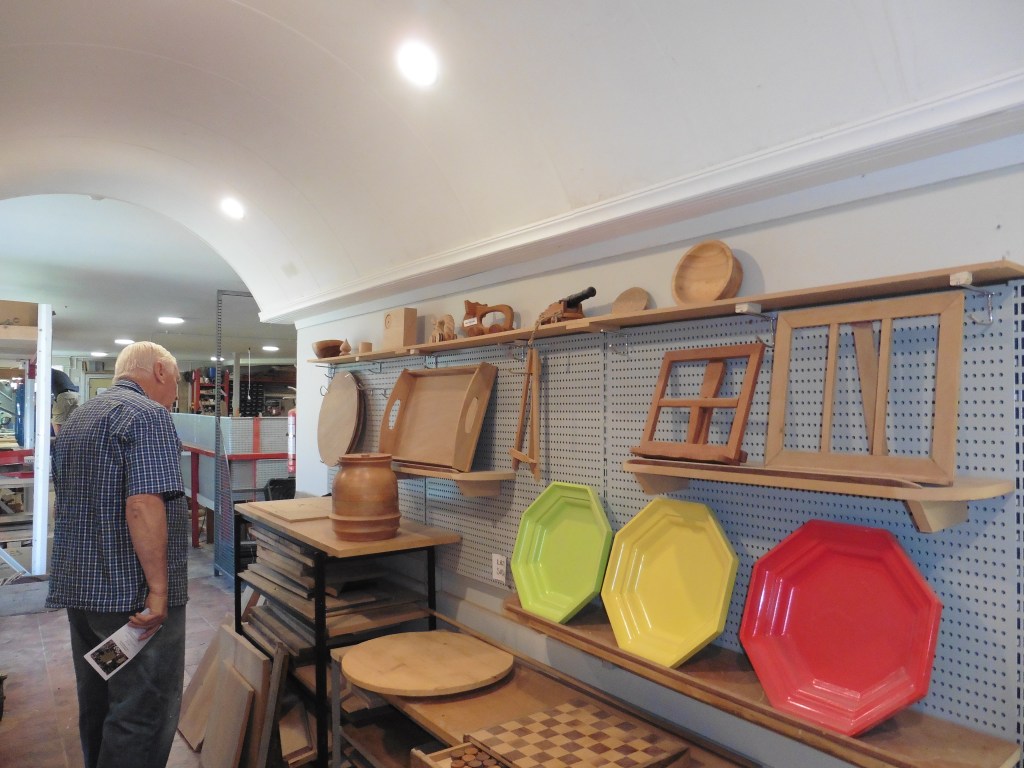
General Products
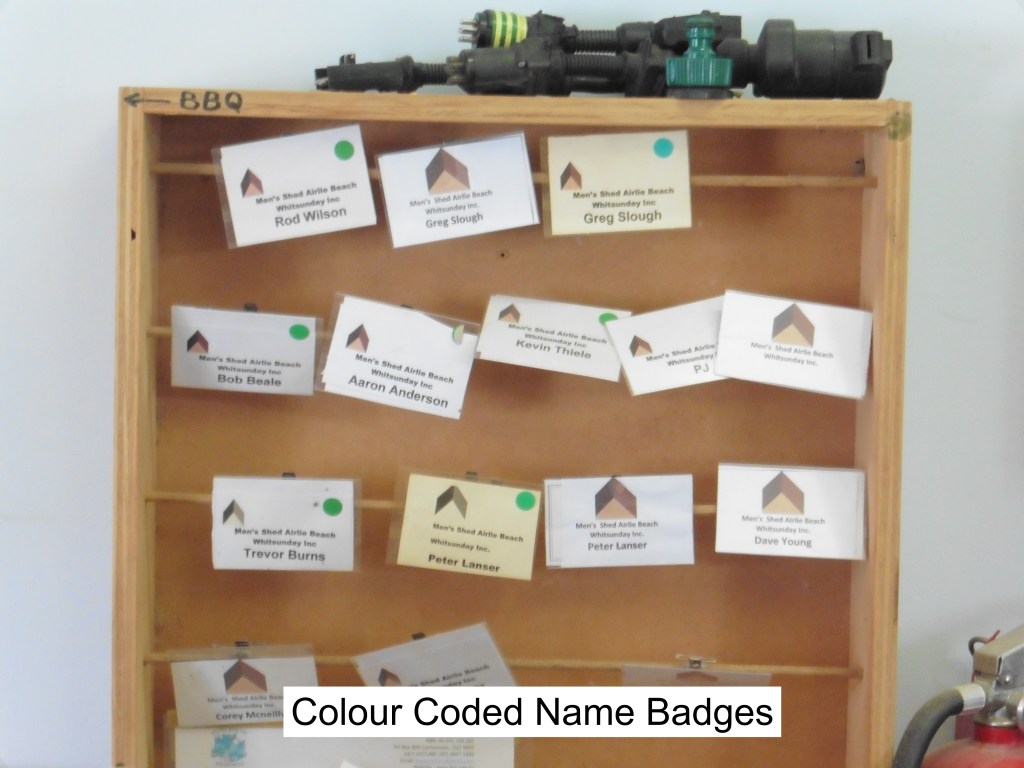
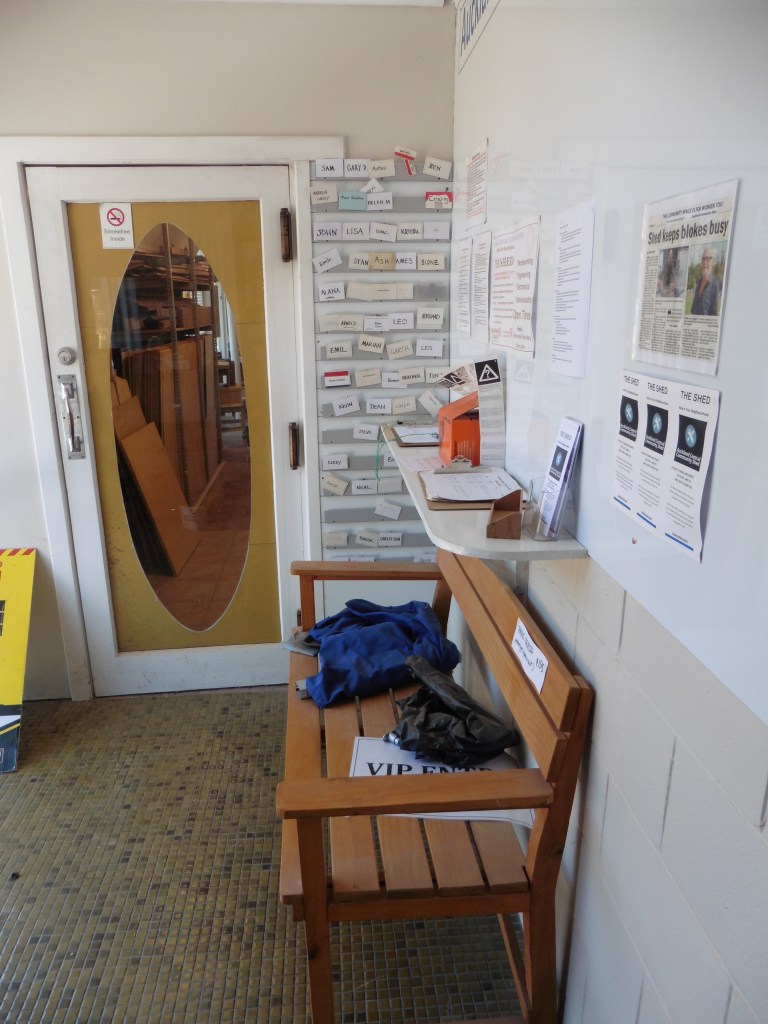
Signing In. Name Badges in the Rack
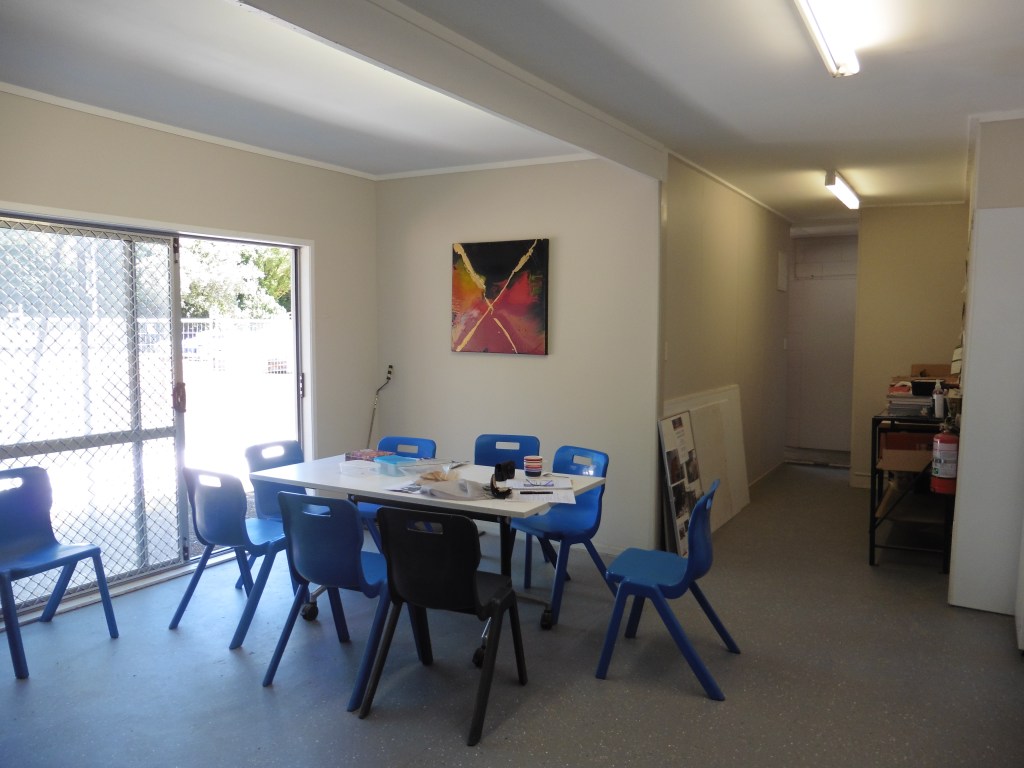
Mess and Meeting Area
A well organised kitchen area – separate from the Workshops
Machine and Metalwork Shop
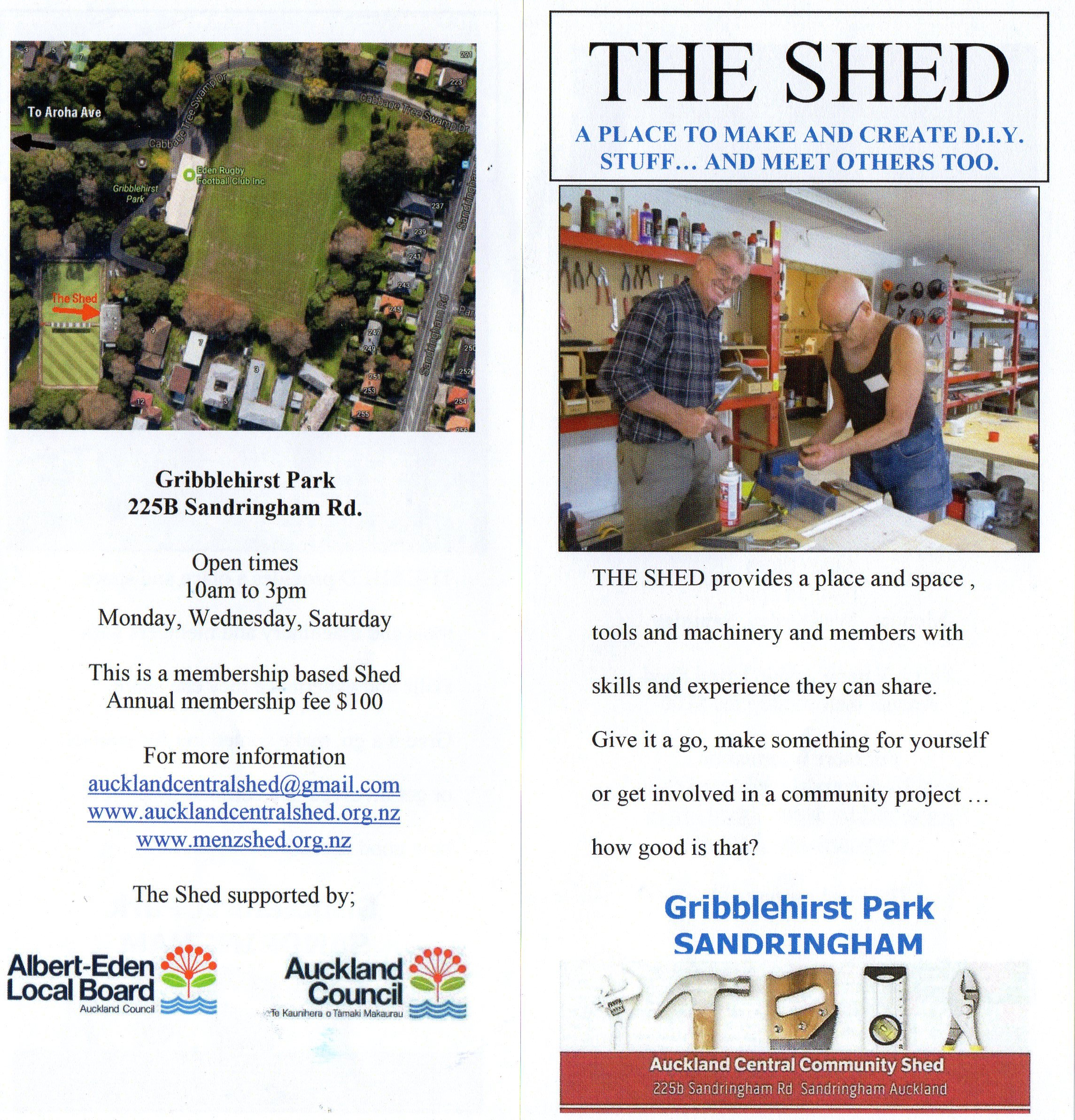
The Shed Leaflet
Design a site like this with WordPress.com
Get started